





The Science of a Simple Rinse
That milky liquid left after washing rice is more than just starch. It's a mild, nutrient-rich solution containing small amounts of nitrogen, phosphorus, and potassium—the primary macronutrients for plant growth. It also holds trace minerals and B vitamins
that leach from the grains. The real power, however, is not just in feeding the plant directly, but in feeding the soil. The starches and carbohydrates are a feast for beneficial soil microbes, the microscopic organisms that form the foundation of a healthy soil ecosystem. These microbes break down organic matter, improve soil structure, and make nutrients more available to plant roots.
A Perfect Partner for Compost
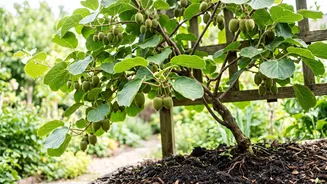
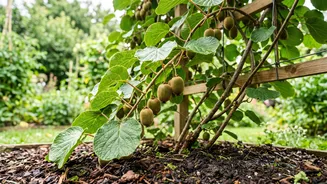
Compost is the cornerstone of organic gardening, providing a rich, slow-release source of nutrients and organic matter. Rice water acts as an excellent complement, or 'activator', to this process. When added to a compost pile, the carbohydrates in the rice water provide a quick energy source for the heat-loving bacteria responsible for decomposition. This can speed up the breakdown of tougher materials like leaves and wood chips. Furthermore, research shows that fermented rice water encourages the growth of specific microbes, like lactobacillus, that can suppress harmful pathogens, reduce odours, and make nutrients within the compost more bioavailable for plants once applied.
The Natural Edge Over Synthetics
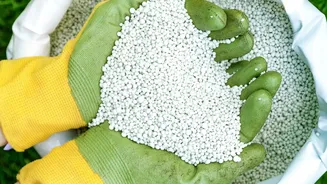
Synthetic liquid fertilisers offer a direct, high-potency dose of nutrients straight to the plant, often resulting in rapid, visible growth. However, this approach bypasses the soil's natural ecosystem. Synthetics don't feed the microbial life that is essential for long-term soil health and structure. Overuse can even harm these beneficial organisms and lead to soil compaction. Rice water, particularly when used with compost, fosters a healthier soil environment. It provides a gentle, slow-release nourishment that builds soil structure and resilience. Rather than just a quick fix for the plant, it's a holistic approach that nurtures the entire soil food web, which in turn supports robust, resilient plant growth. One study showed that fermented rice water could increase plant growth by 12-26%, with nutrient levels comparable to some commercial fertilisers.
How to Make and Use Rice Water
There are two main ways to prepare rice water for your garden. The simplest method is to collect the cloudy water after rinsing uncooked rice, which can be used immediately and undiluted. For a more potent solution, you can ferment it. To do this, pour the rinse water into a glass jar, cover it loosely with a cloth, and let it sit at room temperature away from direct sunlight for three to five days. The liquid is ready when it develops a slightly sour smell. This fermented version is more concentrated and should be diluted, typically at a 1:1 ratio with water, before use. Apply the solution to the soil around your plants no more than once every couple of weeks during the growing season.
Important Considerations
While beneficial, rice water is a supplement, not a complete replacement for balanced fertilisers or rich compost. Its nutrient density is low compared to commercial products. Moderation is key; using it too frequently can lead to a starchy buildup on the soil surface, which may attract pests like fungus gnats or encourage mould. It's also crucial to never use water from boiling rice that has been salted, as salt is harmful to plant roots. The slightly acidic nature of fermented rice water makes it particularly good for acid-loving plants like tomatoes, blueberries, and ferns, but it should be used with more caution on plants that prefer alkaline soils.