





Why the Monsoon Magnifies Food Risks
The rainy season in India creates a perfect storm for germs. The combination of high humidity and ambient warmth allows bacteria like E. coli, Salmonella, and Listeria to multiply at an accelerated rate. Food that might stay fresh for hours in other seasons
can spoil much faster. Furthermore, the season brings a heightened risk of water contamination. Heavy rains can lead to sewage water mixing with municipal water supplies, contaminating the water used to wash vegetables and in food preparation. This makes everything from the water you drink to the vegetables you buy a potential source of infection, leading to a spike in cases of gastroenteritis, typhoid, cholera, and general food poisoning. For this reason, food safety authorities like FSSAI regularly issue advisories during this period.
The Raw Deal: Why Salads Are a Gamble
In the quest for a healthy meal, a fresh salad often seems like the perfect choice. However, during the monsoon, raw vegetables, especially leafy greens like spinach and lettuce, pose a significant risk. These vegetables grow close to the ground and can be easily contaminated by dirty rainwater and soil-borne pathogens. Even after washing, stubborn microbes can cling to the leaves and crevices, making them a common vehicle for stomach infections. Similarly, other popular salad ingredients with high moisture content like cucumber and tomatoes can harbour germs, especially if they have been cut and left exposed for even a short period. This is why many health experts advise against consuming raw salads and uncooked vegetables during the rainy season.
Smart Swap #1: Embrace Hearty Soups
Instead of a cold, raw salad, consider a warm, nourishing soup. Soups are an excellent way to get your daily dose of vegetables in a safe and easily digestible format. The cooking process effectively kills any harmful bacteria or viruses that might be present on the produce. A simple vegetable broth, a hearty lentil soup, or a creamy pumpkin puree provides comfort and nutrition without the risk. For busy professionals, soups are a boon—they can be made in a large batch over the weekend and enjoyed through the week. This swap not only protects you from infections but also aligns with Ayurvedic principles that recommend warm, cooked foods during the monsoon to aid digestion.
Smart Swap #2: Master Stir-Fries and Steamed Veggies
If you crave the crunch and freshness of vegetables, stir-frying or steaming are your best friends. These quick-cooking methods retain most of the nutrients and texture of the vegetables while ensuring they are heated enough to be safe for consumption. A colorful stir-fry with seasonal monsoon vegetables like bottle gourd (lauki), bitter gourd (karela), and ridge gourd (turai) is not only safe but also delicious. Steamed vegetables, lightly seasoned with salt, pepper, and a squeeze of lemon, make for a light yet satisfying meal. These methods are perfect for time-crunched professionals, as a healthy meal can be on the table in under 20 minutes.
Smart Swap #3: Choose Roasted Roots for Snacks
Instead of reaching for raw carrot or cucumber sticks for a midday snack, switch to roasted root vegetables. Vegetables like sweet potatoes, beets, carrots, and parsnips, when chopped and roasted with a bit of oil and seasoning, transform into a delicious, caramelized, and safe snack. This method eliminates the risks associated with raw produce while providing a fibre-rich and satisfying option to tide you over between meals. You can prepare a large batch and store it in the refrigerator for a few days, making it a convenient and healthy grab-and-go option.
Eating Out: Navigating Menus with Confidence
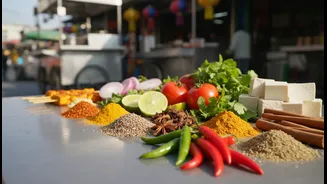
For urban professionals, eating out or ordering in is a frequent reality. During the monsoon, it's crucial to be extra vigilant. Avoid street food, especially items like chaat, pre-cut fruits, and fresh juices, as the hygiene and water quality can be questionable. When at a restaurant, opt for well-cooked dishes. Instead of a fresh salad, choose a grilled vegetable platter or a hot curry. Be wary of raw chutneys and garnishes. By making informed choices and favouring thoroughly cooked items, you can continue to enjoy restaurant meals without compromising your health.