



1. Choose Your Containers Wisely
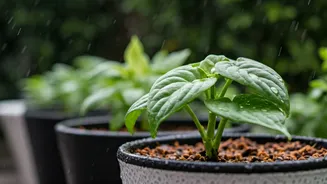
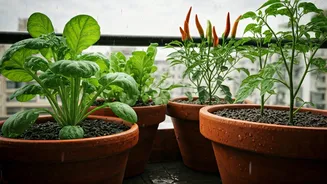
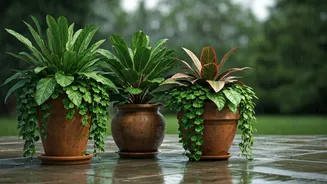
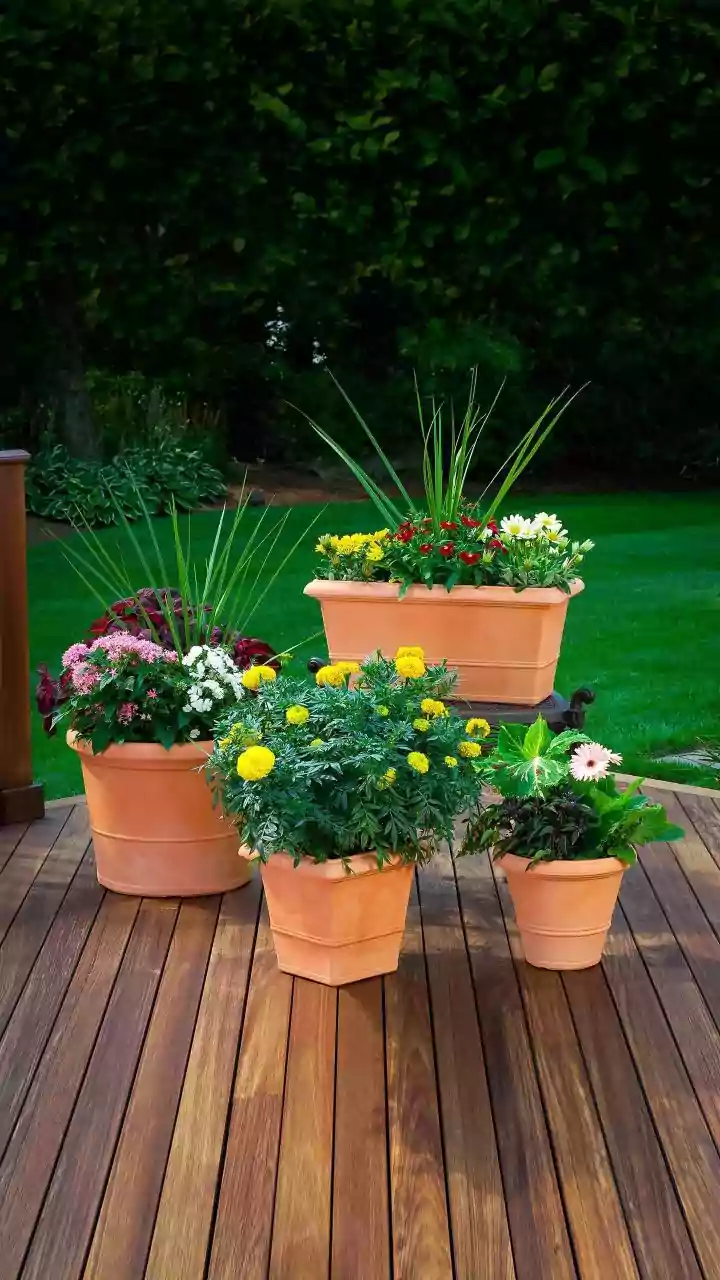
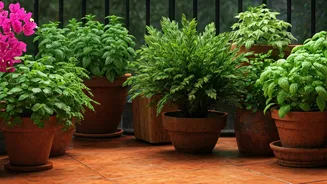
The single most important factor for monsoon success is drainage. Your enemy isn't the rain itself, but standing water that can rot roots. Opt for terracotta or clay pots, as their porous nature allows soil to breathe and excess moisture to evaporate.
Whatever material you choose, ensure it has at least one, preferably multiple, drainage holes at the bottom. If a decorative pot lacks holes, you can either drill them yourself or use it as a cachepot—placing a smaller, functional pot inside. Elevating your pots on small bricks or pot stands is another pro-tip, allowing water to escape freely and preventing the base from sitting in a puddle.
2. Mix the Perfect Potting Soil
Monsoon gardening demands a light, well-draining soil mix. Heavy, clay-based garden soil will quickly become a dense, waterlogged brick. A tried-and-tested formula for containers is one part garden soil, one part cocopeat (or sand), and one part compost or vermicompost. The cocopeat/sand ensures the mixture remains loose and airy, preventing compaction, while the compost provides essential nutrients for your plants to thrive. This blend holds enough moisture for the roots but allows the constant rainwater to pass through without drowning the plant.
3. Select Monsoon-Loving Plants
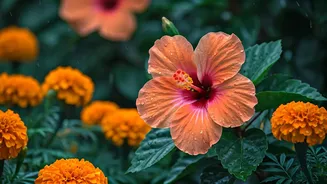
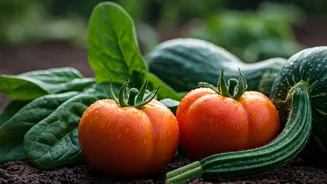
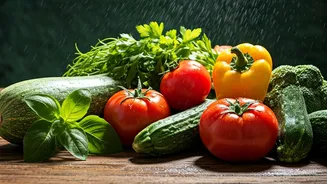
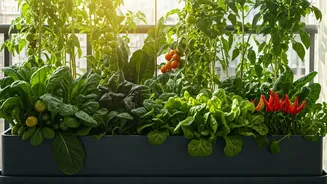
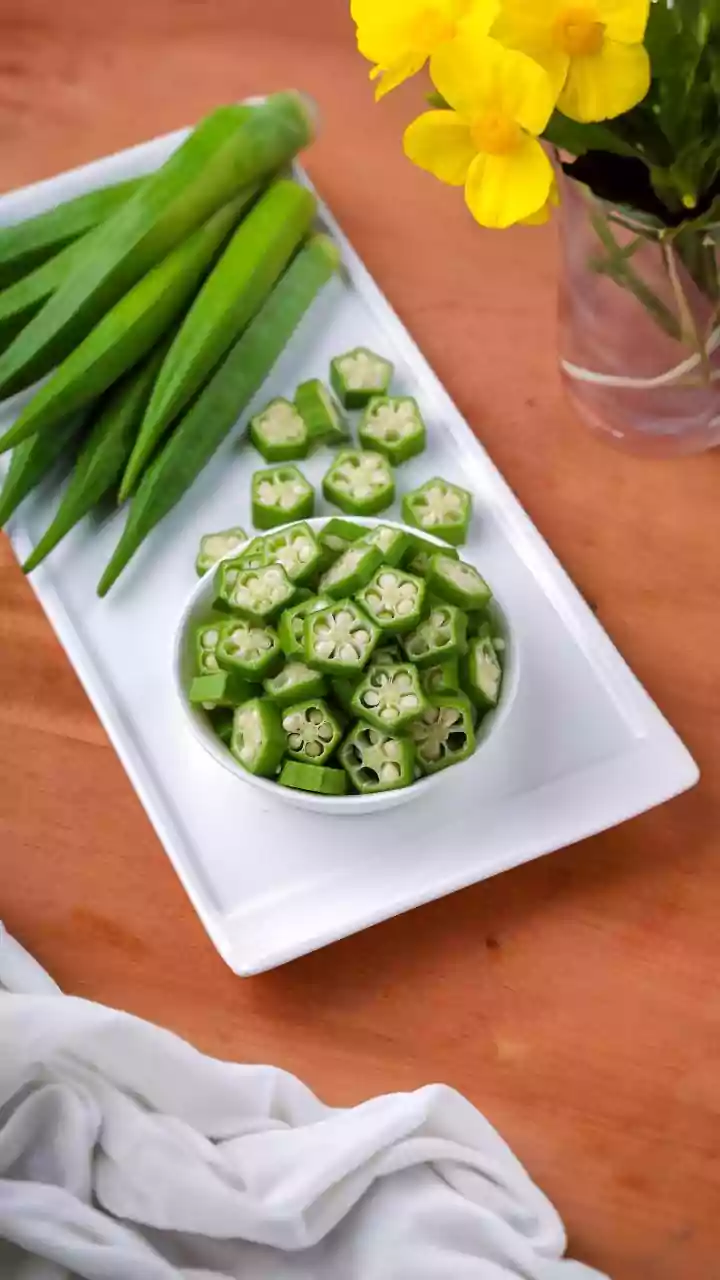
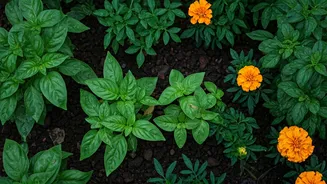
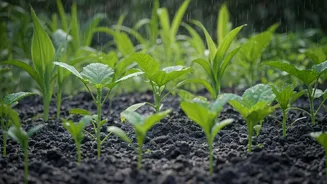
Not all plants enjoy the high humidity and heavy rains of the monsoon. The key is to choose species that flourish in these conditions. For vegetables, this is the prime time for leafy greens like spinach (palak) and amaranth (chaulai), as well as fruiting vegetables like lady's finger (bhindi), brinjal, chillies, and various gourds. If you fancy flowers, consider monsoon bloomers like balsam (gulmehndi), zinnias, cosmos, hibiscus, and marigolds. These plants are genetically programmed to love the Indian monsoon and will reward your minimal efforts with lush growth and vibrant colours.
4. Rethink Your Watering Schedule
Watering during the monsoon? It sounds strange, but it’s crucial. Don't assume the rain is doing all the work for you. Sometimes a pot placed under an overhang might get no rain at all, while a brief, light shower might only wet the top layer of soil. The golden rule is to check the soil. Stick your finger an inch or two into the pot. If it feels dry, it's time to water. If it feels damp or wet, leave it be. Overwatering is the number one killer of potted plants, and during the monsoon, this risk is amplified. Let the soil, not the sky, tell you when your plants are thirsty.
5. Find the Right Location
The beauty of pot gardening is portability. Your plants need a balance of sunlight and protection. Most monsoon vegetables and flowers require at least 4-6 hours of sunlight. Find a spot on your balcony, terrace, or window that receives adequate light. However, be prepared to move your pots during exceptionally heavy downpours. A relentless, days-long deluge can batter delicate plants and oversaturate even the best-draining soil. Having the option to temporarily shift them to a covered patio or against a wall can be a plant-saver.
6. Guard Against Pests and Fungi
The damp, humid conditions of the monsoon are a breeding ground for pests like slugs and snails, as well as fungal diseases. Prevention is your best strategy. Ensure good air circulation around your pots by not crowding them too closely. Regularly check the undersides of leaves for pests. A simple, organic solution is a neem oil spray (a mix of neem oil, a few drops of liquid soap, and water) applied every 10-15 days. This acts as a repellent for many common pests and helps prevent fungal growth on the leaves. Also, promptly remove any yellowing or diseased leaves to stop problems from spreading.