









Understanding Post-Workout Soreness
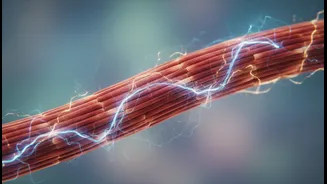
That familiar ache you feel a day or two after a strenuous workout has a name: Delayed Onset Muscle Soreness, or DOMS. This soreness is the result of microscopic tears in your muscle fibres caused by intense or unfamiliar exercise. While it sounds alarming,
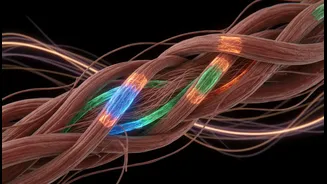
this process is a natural part of your muscles getting stronger. As the body repairs these tiny tears, it rebuilds the muscle fibres to be more resilient. For decades, the conventional wisdom for dealing with DOMS has been passive rest—simply waiting for the soreness to subside. While rest is crucial, emerging evidence suggests that complete inactivity might not be the most efficient path to recovery.
The Limits of Lying Still
Passive rest certainly has its place, especially after extreme exertion or injury. It gives your body the downtime it needs to initiate repair. However, staying completely sedentary can sometimes lead to increased stiffness and sluggishness. When you're inactive, blood flow to the affected muscles is lower, which can slow down the process of clearing out metabolic byproducts, like lactic acid, that accumulate during intense exercise. While lactate itself is not the direct cause of DOMS, its clearance is a marker of efficient recovery. Slow circulation means it takes longer for oxygen and essential nutrients to reach your damaged muscle tissues, potentially prolonging the repair process and that stiff, sore feeling.
Active Recovery: A Smarter Approach
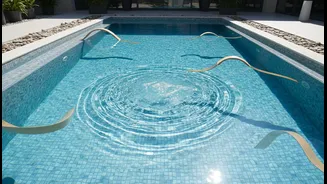
This is where active recovery comes in. The concept involves performing low-intensity exercise following a demanding workout. The goal isn't to add more stress but to gently stimulate the body to accelerate its natural healing processes. Activities like walking, light cycling, and especially swimming are excellent forms of active recovery. Swimming stands out due to the unique properties of water, which create an ideal environment for muscle repair without the strain of land-based exercise. It allows you to move your body freely, supporting gentle movements that can relieve soreness and reduce swelling.
The Power of Buoyancy and Blood Flow
When you get in a pool, the water's buoyancy supports your body weight, drastically reducing the impact and stress on your joints and muscles. This near-weightless feeling allows you to move aching limbs through a fuller range of motion than you might comfortably achieve on land. This gentle movement is crucial because it significantly boosts blood circulation. Enhanced blood flow acts like a delivery service, rushing oxygen-rich blood and nutrients to your tired muscles to fuel repair. At the same time, it acts as a waste disposal service, more efficiently flushing out the byproducts that contribute to soreness and fatigue.
Hydrostatic Pressure: Nature’s Compression
Perhaps the most significant advantage of swimming for recovery is something called hydrostatic pressure. This is the pressure that water exerts on your body when you're submerged. This pressure acts like a full-body compression garment, gently squeezing your limbs. Studies show this pressure is often greater than that provided by standard medical compression stockings. This compression helps to reduce exercise-induced swelling and inflammation by pushing excess fluid out of the tissues and back into the bloodstream. This reduction in swelling can alleviate pain and improve mobility, allowing you to feel better, faster. The constant pressure on the body can also help dull nerve endings, further reducing the sensation of pain.