








Beyond the Metros: The New Growth Frontier
For decades, the Indian beauty narrative was dominated by major metropolitan areas like Mumbai, Delhi, and Bengaluru. Today, that story is being rewritten in Tier-2 and Tier-3 cities. E-commerce giant Flipkart recently reported that two out of every three
beauty-related searches on its platform now come from non-metro cities. Places like Cuttack, Gorakhpur, Kottayam, and Jamnagar are emerging as epicentres of beauty consumption and trends. This shift signals a massive democratization of the beauty industry, where access and aspiration are no longer confined to the big cities. Amazon India notes that over 50% of its premium beauty demand now originates from these smaller cities, with markets like Thrissur, Dehradun, and Guwahati showing significant growth.
The Digital Revolution and the D2C Boom
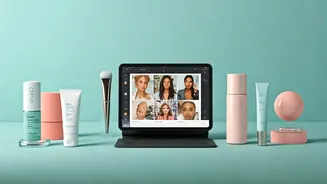
This regional surge is powered by the twin engines of digital access and a direct-to-consumer (D2C) brand explosion. Widespread internet penetration and affordable data have put the entire global marketplace in the palm of consumers' hands, regardless of their location. This has allowed digitally native brands like Sugar Cosmetics, Mamaearth, and Plum to bypass traditional retail bottlenecks and connect directly with customers across the country. Social media platforms and influencers play a crucial role in this new ecosystem, educating consumers and shaping trends far from physical retail hubs. As a result, e-commerce has become the largest distribution channel, accounting for a significant share of the market and making a vast assortment of products accessible to all.
A New, Informed and Aspirational Consumer
The consumer in regional India is more informed, aspirational, and demanding than ever before. Fuelled by rising disposable incomes and exposure to global trends via social media, these shoppers are moving beyond basic personal care. They are increasingly investing in multi-step routines and premium, ingredient-led products that address specific concerns. This has led to the emergence of what one report calls 'PIN code Beauty'—a trend where local factors like climate, water hardness, and pollution levels shape demand. For example, consumers in Bengaluru show a higher need for hard-water scalp care, while those in Rajasthan seek out products for hydration and barrier repair.
How Brands Are Adapting to Win
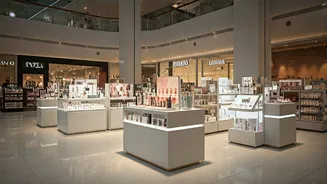
To capture this burgeoning market, both legacy giants and agile startups are rethinking their strategies. The one-size-fits-all approach is dead. Success now requires a hyperlocal mindset. Brands are using data to understand regional needs and tailoring their marketing and even product formulations accordingly. We're also seeing a pivot to an omnichannel model; while discovery happens online, many brands are expanding their physical footprint into Tier-2 and Tier-3 cities to build trust and offer a touch-and-feel experience. Companies like Nykaa and Mamaearth, which started as digital-first entities, are now aggressively opening stores across the country, recognizing that the future of retail is a seamless blend of online and offline.