


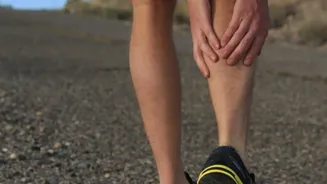
Why Humidity Is a Recipe for Cramps
Exercising in hot and humid weather puts a unique strain on your body. The main issue is sweat evaporation. Normally, your body cools itself when sweat evaporates from your skin. In a humid environment, the air is already saturated with moisture, so your sweat can't
evaporate efficiently. This causes your body to work overtime, producing even more sweat in an attempt to cool down. This excessive sweating leads to two major problems: significant fluid loss (dehydration) and a depletion of essential minerals called electrolytes. Electrolytes like potassium, sodium, magnesium, and calcium are crucial for proper nerve signaling and muscle function, including contraction and relaxation. When these levels become imbalanced due to sweat loss, nerve signals can become erratic, causing muscles to contract involuntarily and painfully—what we know as a cramp.
The Natural Solution: Coconut Water
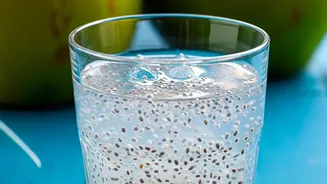
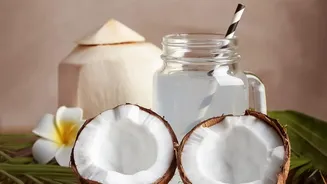
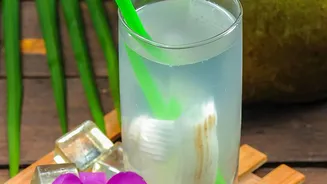
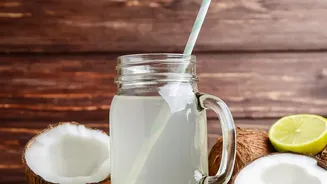
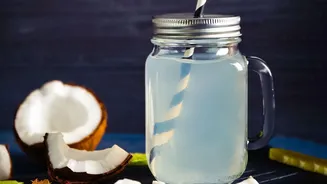
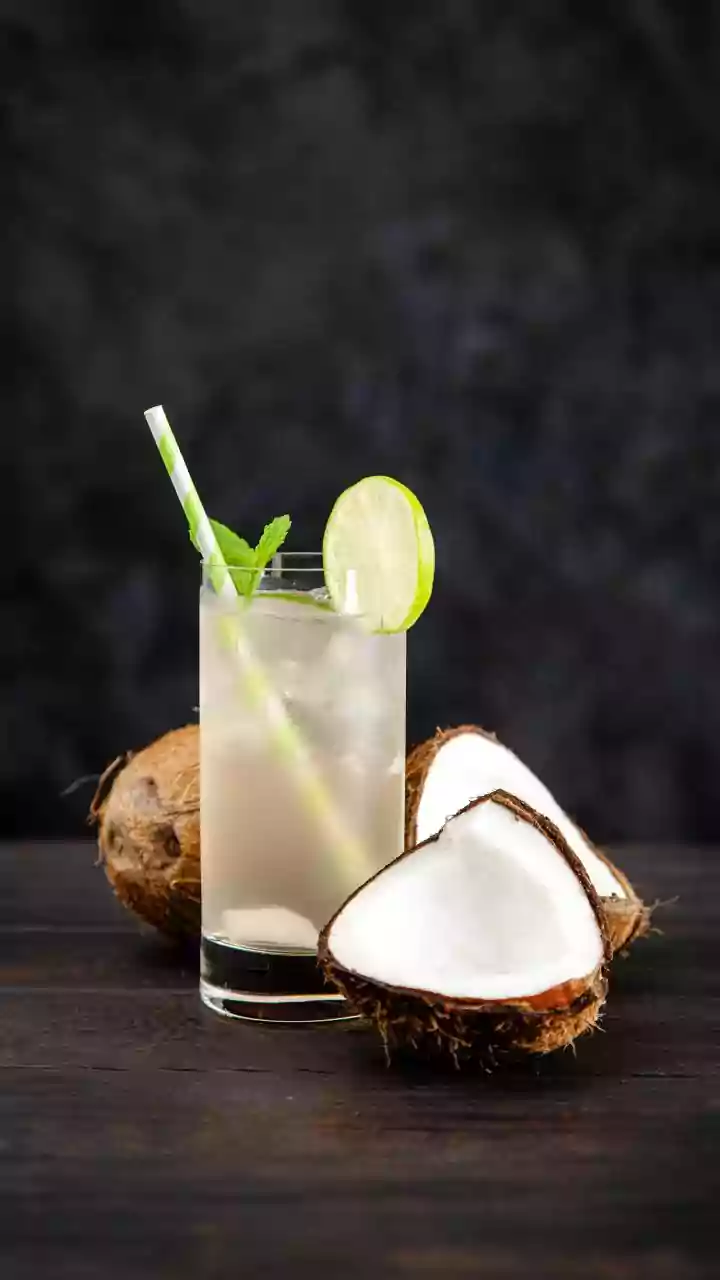
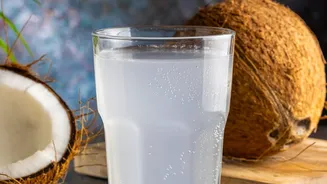
For those looking for a natural way to combat these exercise-induced cramps, coconut water is an excellent choice. Long cherished as a refreshing drink, especially in tropical climates like India, coconut water is naturally packed with the very electrolytes your body loses through sweat. Unlike many sugary sports drinks, it provides hydration along with a beneficial mineral profile, making it a functional beverage that can help keep your muscles working smoothly. It’s a simple, plant-based option that can be easily integrated into your fitness routine.
What Makes Coconut Water Effective?
The power of coconut water lies in its electrolyte content. It is particularly rich in potassium, a mineral vital for muscle function. In fact, a single cup of coconut water can contain more potassium than many commercial sports drinks. Potassium, along with other electrolytes found in coconut water like magnesium, calcium, and sodium, helps maintain the body's fluid balance and supports proper nerve-to-muscle communication. Magnesium, for instance, aids in muscle relaxation. By replenishing these key minerals during and after a workout, you can help prevent the electrolyte imbalances that often lead to cramping. While it is generally lower in sodium than sports drinks formulated for elite athletes in extreme conditions, its balanced blend is highly effective for most moderate to intense workouts.
Your Humid-Weather Hydration Plan
To effectively use coconut water to prevent cramps, timing is key. Don't wait until you're already cramping or feeling thirsty, as thirst is often a late sign of dehydration. Start by pre-hydrating. Drink a glass of coconut water about two to three hours before you begin your workout to prime your system with fluids and electrolytes. During your workout, especially if it lasts longer than an hour, sip coconut water regularly—aim for about 200-250 ml every 15-20 minutes to consistently replenish what you're losing through sweat. Post-workout, continue to rehydrate with coconut water to aid in muscle recovery and restore your fluid balance. For very long or intense sessions in extreme heat, you might also consider adding a small pinch of salt to your coconut water to boost your sodium intake.
More Tips to Beat the Cramps
While coconut water is a fantastic tool, a holistic approach will give you the best protection against muscle cramps. Always warm up properly before exercise to increase blood flow to your muscles. Gradually acclimate your body to working out in the heat over a week or two rather than jumping into a high-intensity session unprepared. Wear light, breathable clothing to help your body cool itself as efficiently as possible. Finally, listen to your body. If you feel dizzy, overly fatigued, or notice the first twinges of a cramp, it's a sign to stop, rest in a cool place, and rehydrate immediately.