



From Memento to Clutter
We've all been there. In the magic of a new place, every local craft, colourful textile, and quirky trinket seems essential—a tangible piece of the experience. Psychologists refer to souvenirs as 'external memory cues,' physical items that trigger vivid
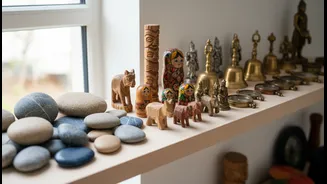
recollections of our journeys. The desire to capture those feelings is natural. The problem arises when we get home and the dozen items from a single trip begin to compete for space. What once felt like a cherished memory cue can quickly become clutter, relegated to a crowded shelf or a box in the closet. When everything is displayed, nothing truly stands out. The stories get lost in the noise, and the visual impact is one of chaos rather than curation. This accumulation can even lead to a sense of guilt or anxiety, as the items that once brought joy now feel like a burden to manage and display.
The Power of a Singular Story
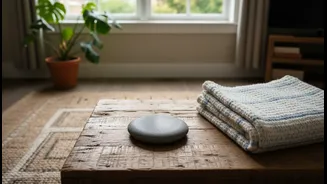
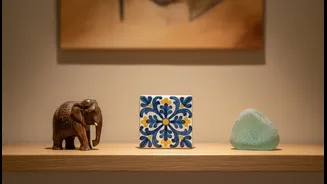
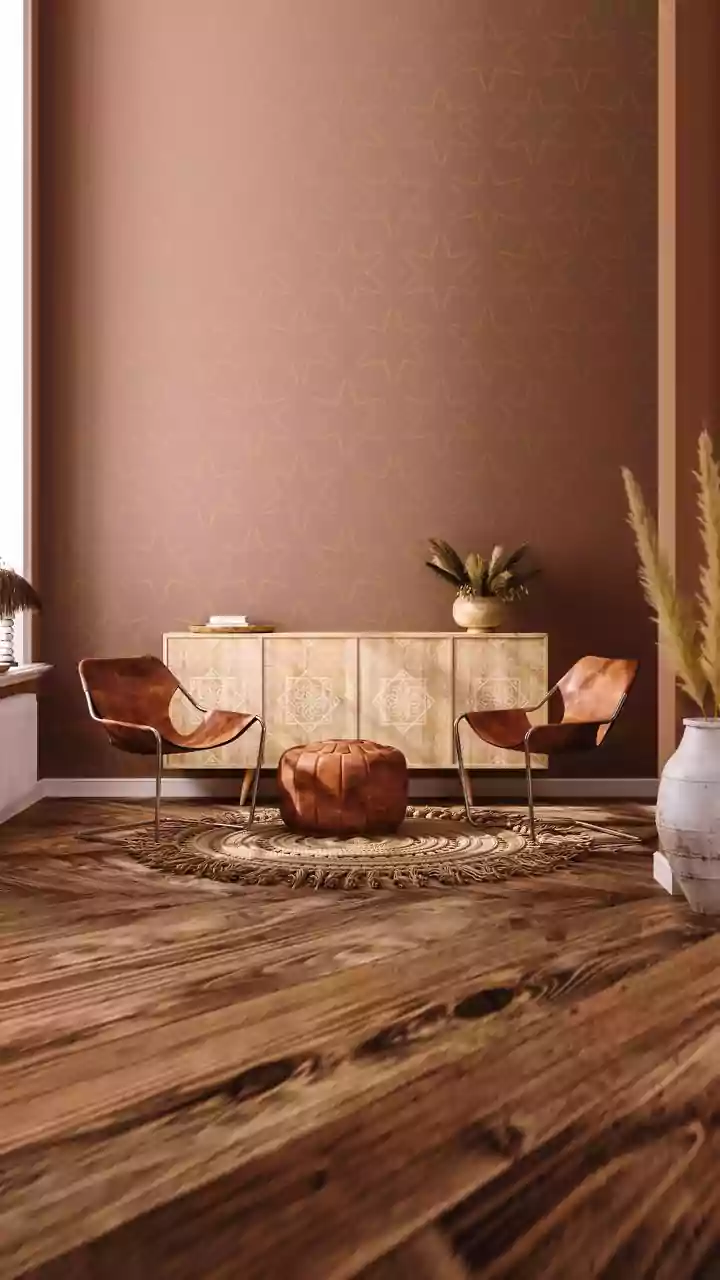
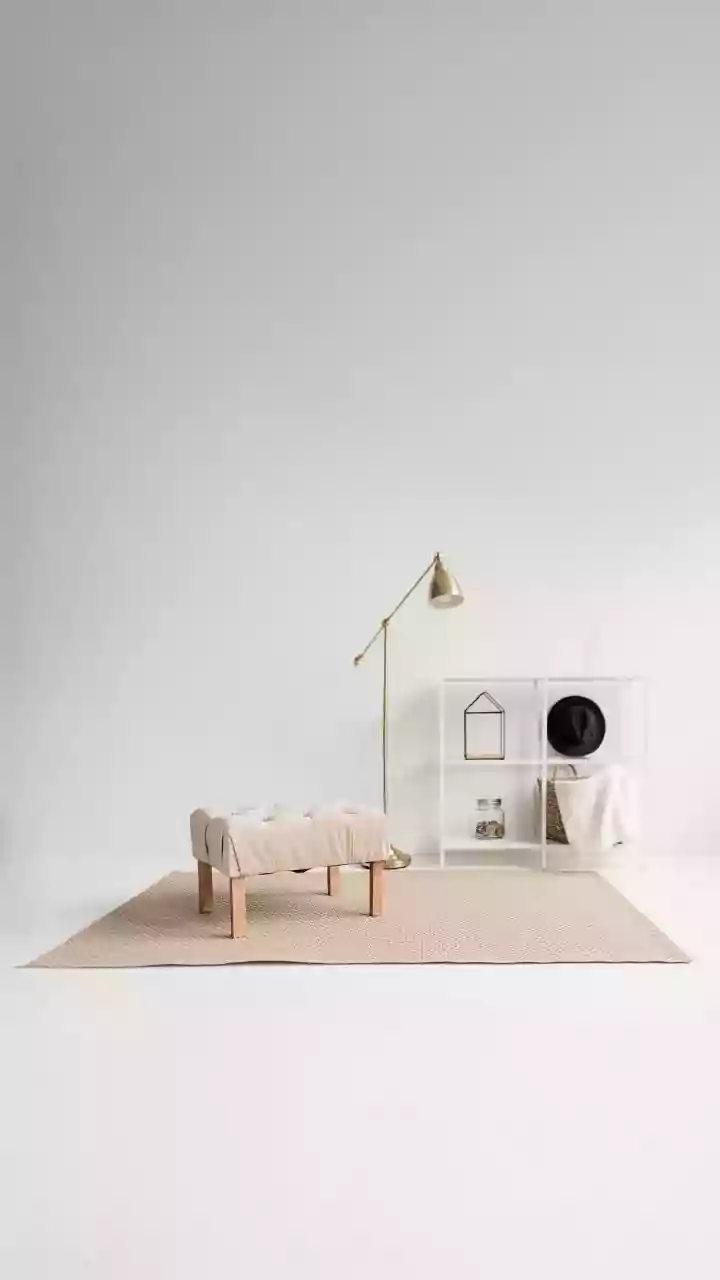
This is where a minimalist-inspired philosophy can transform not just your space, but your relationship with your memories. The idea is simple: instead of showcasing an inventory of every place you've been, select one significant, visible piece from each trip. By giving a single object the spotlight, you elevate its status from a simple souvenir to a statement piece. It gets the visual space it needs to be truly appreciated. This approach forces a more intentional mindset during your travels. You start hunting for the one item that truly encapsulates the spirit of the place or the feeling of your journey, rather than grabbing multiple small, forgettable things. That one object—be it a hand-painted bowl, a striking photograph, or a unique sculpture—becomes a powerful storyteller. It invites conversation and allows you to share a deeper narrative, turning your home into a personal gallery of meaningful moments.
How to Choose Your Star Piece
Selecting a single representative item requires a thoughtful eye. First, consider the story. Does the object have a memorable origin? Perhaps you met the artist who made it, or you found it in a market off the beaten path. The best souvenirs are infused with personal narrative. Next, think about utility and aesthetics. Instead of another small figurine, consider something functional that integrates into your daily life. A beautiful handwoven textile can become a throw blanket, a unique ceramic bowl can hold fruit on your counter, and a piece of interesting woodwork could be repurposed as a hook. Also, consider your existing decor. While a souvenir doesn't need to match perfectly, choosing something that complements the colours, textures, and overall mood of your home ensures it will feel like a natural addition rather than a disruption.
Creating a Home Gallery
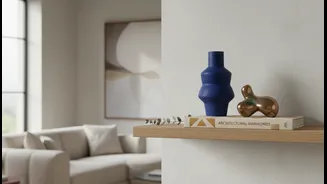
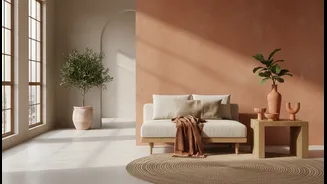
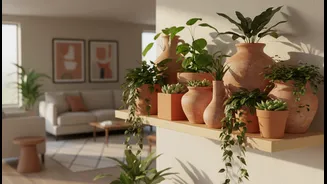
Once you have your chosen piece, give it the place of honour it deserves. This doesn't mean it needs to be in the centre of a room, but it should be displayed with intention. A beautiful vase from Turkey could be filled with fresh flowers on an entryway table. A large, framed textile from India could hang behind your bed, serving as a dramatic and personal headboard. Grouping items can also be effective, but do it thematically rather than randomly. You might dedicate one floating shelf to a few ceramic pieces of similar tones from different trips, creating a cohesive collection that still allows each piece to breathe. Good lighting is also key; a small, focused lamp can turn a simple object on a side table into a deliberate design moment. The goal is to make the item a focal point that draws the eye and sparks curiosity.
What About Everything Else?
Choosing one visible piece doesn't mean you have to discard every other memento. For smaller items like ticket stubs, postcards, and maps, consider creating a more private collection. A travel scrapbook or a 'memory box' for each trip allows you to keep these items organised and accessible without cluttering your living space. You can pull them out to reminisce whenever you like. Another strategy is rotation. If you have several items you love from one region, display one for a few months and then swap it out for another. This keeps your decor feeling fresh and allows you to appreciate each object anew. Consumable souvenirs, like local spices, coffee, or teas, are another fantastic option for minimalists, as they allow you to enjoy the memory without adding to long-term clutter.