



The Problem with 'Good' vs 'Bad' Labels
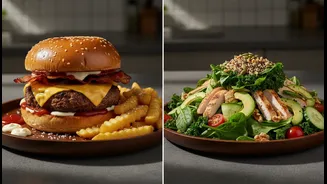
For decades, diet culture has encouraged us to categorise foods as either 'good' or 'bad'. This moral labelling can be harmful, leading to feelings of guilt, shame, and anxiety around eating. When we eat a so-called 'bad' food, it can trigger a cycle
of negative self-talk and even lead to disordered eating patterns like restriction followed by bingeing. This black-and-white thinking implies that your personal worth is tied to your food choices, a notion that is both false and damaging. Experts argue that any food is better than no food, and adding shame to the act of eating creates unnecessary mental barriers to nourishment. This is especially true when a food deemed 'bad' is eaten under stress, which can lead to even unhealthier eating habits.
What New Research Suggests
Recent research provides a refreshing alternative. A re-analysis of a landmark 2019 clinical trial, published in The American Journal of Clinical Nutrition, highlights the profound benefits of a diet focused on whole, unprocessed foods. The study found that when people ate a diet of whole foods, they naturally consumed fewer calories—around 330 fewer per day—even while eating a much larger quantity of food by weight (57% more) compared to when they ate ultra-processed foods. Participants lost weight on the whole-foods diet and gained weight on the ultra-processed one. The key finding was that a whole-food diet naturally steers people toward lower-calorie, nutrient-dense options like fruits and vegetables, filling micronutrient gaps and promoting satiety without conscious restriction.
Not All Packaged Foods Are Equal
The term 'processed' covers a vast spectrum, and not all packaged foods deserve a bad reputation. The widely used NOVA classification system divides foods into four groups, from unprocessed to ultra-processed. Unprocessed or minimally processed foods are things like fresh or frozen vegetables, eggs, and plain oats. Processed foods, like canned beans, cheese, and simple bread, are made by adding ingredients like salt or sugar to whole foods. It's the 'ultra-processed' category—industrial formulations with long ingredient lists of substances not used in home cooking—that is most strongly linked to negative health outcomes like obesity and heart disease. However, even this category has nuance; some studies show that fortified whole-grain breads or yogurts, though ultra-processed, can be part of a healthy diet. This suggests that focusing on the nutritional content rather than just the level of processing is a more practical approach.
How to Be a Smarter Shopper
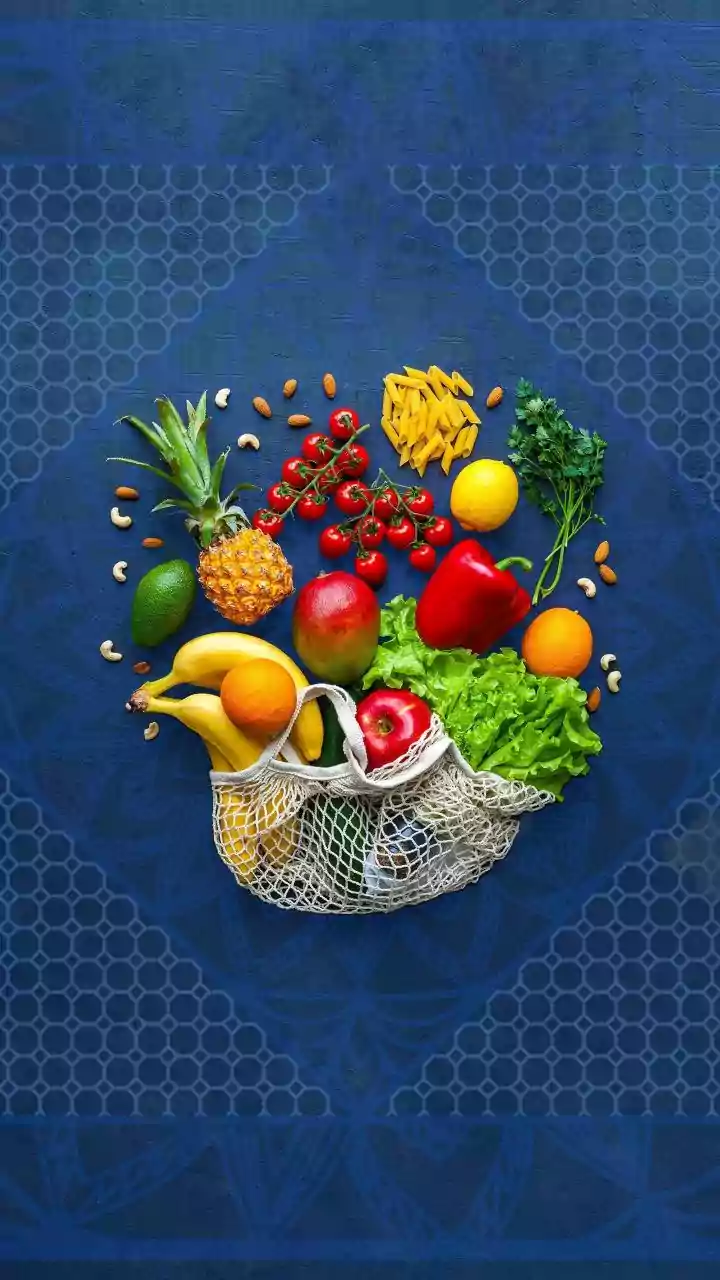
Navigating the supermarket becomes easier when you focus on adding good things in, rather than just cutting things out. Instead of banning all packaged goods, learn to read the labels. Pay attention to the serving size and check for high levels of added sugars, sodium, and saturated fats. A short, recognisable ingredient list is generally a good sign. Many minimally processed packaged foods, such as canned lentils, frozen fruits, or whole-grain pasta, are convenient and nutritious staples. The goal is not perfection but balance. Use labels to compare products and choose the better option available, such as a cracker with more fibre and less sodium.
Building a Better Plate, Not a Perfect Diet
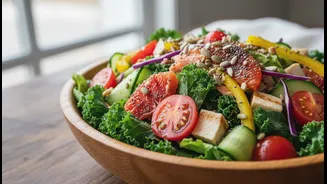
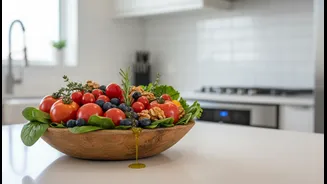
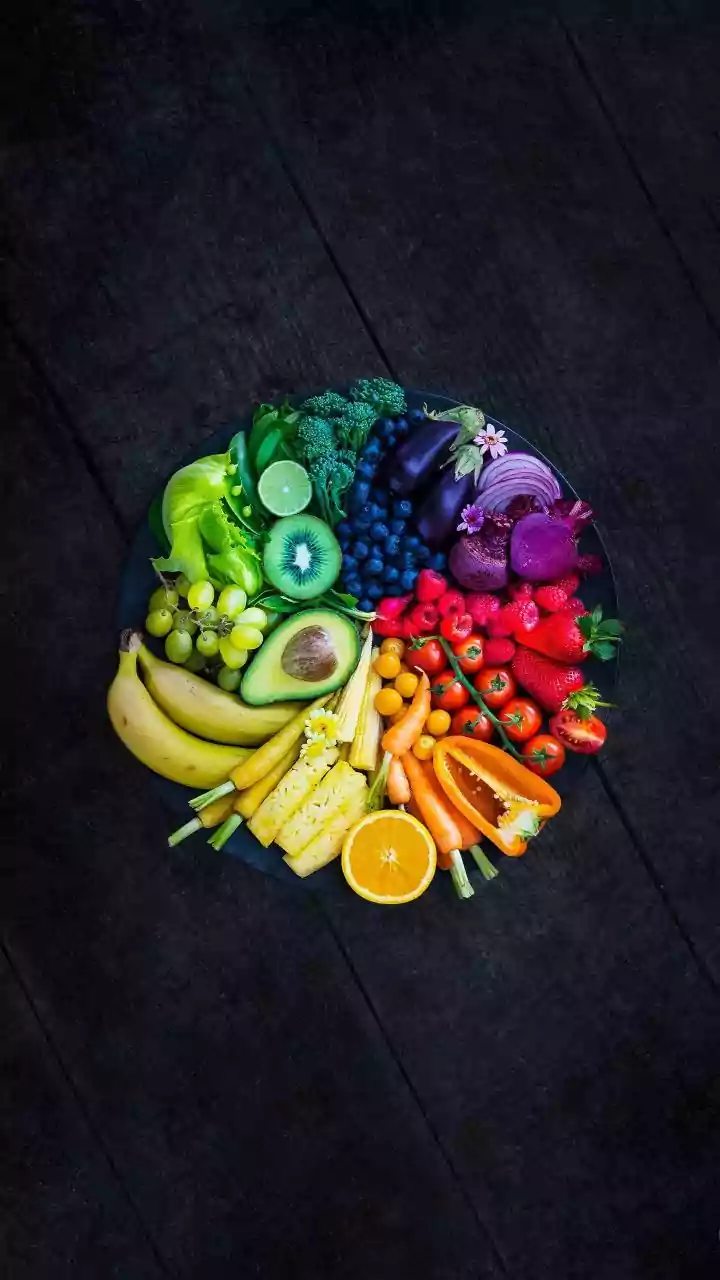
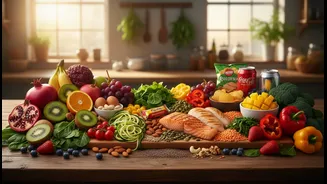
The most sustainable approach to healthy eating is to focus on what you can add to your diet. Prioritise making whole foods the star of your meals: load up on vegetables, fruits, lean proteins, and whole grains. Research shows this approach naturally helps regulate calorie intake and boosts your consumption of essential vitamins and minerals. Convenience foods can still play a supporting role. If a pre-chopped salad mix or a can of chickpeas helps you eat more vegetables, that's a win. The goal is to build a dietary pattern that is rich in whole foods over time, rather than obsessing over the inclusion of a few processed items. This flexible approach removes the guilt and makes healthy eating an enjoyable, long-term habit.