





A Taste of Freshness and Purity
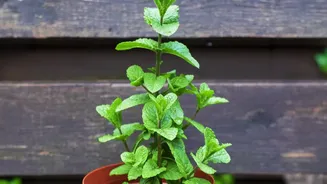
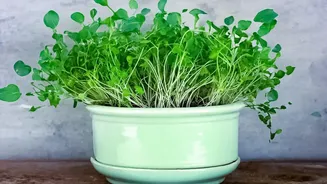
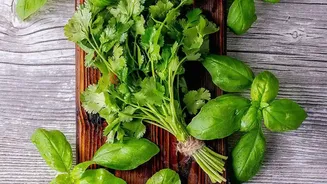
One of the biggest drivers of this trend is a growing desire for fresh, chemical-free food. In a world where concerns about pesticides and long supply chains are common, the ability to snip fresh coriander, mint, or curry leaves right from a pot is a powerful
draw. This movement, which gained significant momentum during the pandemic lockdowns, has embedded itself into the daily lives of many urban families. It’s a direct response to rising food prices and a collective yearning to know exactly what is on our plates. The satisfaction of adding homegrown herbs to a meal—from a morning chutney to an evening rasam—offers a taste of purity that store-bought produce often cannot match.
The Balcony as a Modern Sanctuary
Beyond the kitchen, these herb gardens serve as crucial spaces for mental well-being. In the relentless pace of city life, a small patch of green offers a moment of calm. The daily ritual of watering plants, checking for new growth, and inhaling the scent of tulsi or lavender has become a form of accessible mindfulness for many. Psychologists note that tending to plants provides a tangible sense of purpose and can significantly reduce stress. For residents of dense apartment communities, where private outdoor space is a luxury, the balcony garden has become a personal sanctuary—a place to disconnect from screens and reconnect with a piece of the natural world.
Made for Chennai’s Climate
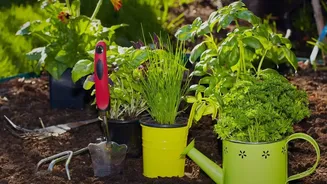
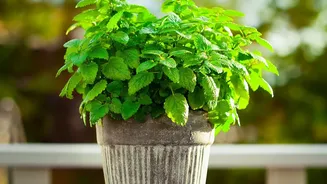
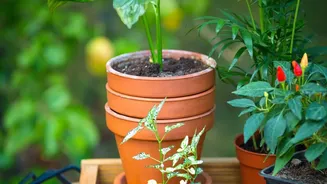
Chennai’s climate, though challenging, is ideal for a variety of hardy, flavourful herbs. Staples of South Indian cooking like curry leaves, mint, holy basil (tulsi), and various chillies thrive in the warm and humid conditions. The trend is supported by a growing ecosystem of local nurseries, online stores, and community initiatives. Organisations like the Chennai Urban Farming Initiative (CUFI) have been instrumental, distributing mobile garden kits and providing training, particularly to women and low-income households. This has made starting a garden more accessible than ever, with many beginners finding success with just a few pots and the right guidance.
More Than Just Plants: A Community on the Rise
What often starts with a single pot of mint soon blossoms into a shared community interest. WhatsApp groups and social media are filled with residents sharing tips on pest control, swapping seeds, and celebrating their harvests. This digital-age gardening club fosters a sense of connection among neighbours who might otherwise never interact. In some cases, these small balcony gardens have inspired larger community garden projects in shared spaces, bringing residents of all ages together. This communal aspect transforms a personal hobby into a collective effort to make the community greener, more social, and more self-reliant.
An Urban Ecosystem in Miniature
These small gardens are having an unexpectedly large environmental impact. Collectively, they function as a network of 'stepping stones' for pollinators like bees and butterflies, helping them navigate the concrete landscape. By growing flowering herbs like basil and marigold, residents are helping sustain local biodiversity. Furthermore, urban gardening helps cool buildings, with studies showing that a room below a terrace garden can be 2-3°C cooler. It also encourages sustainable practices like composting kitchen waste, reducing the burden on city landfills. Each balcony becomes a tiny but functional part of a larger, greener urban ecosystem.