







Your Digital Watchdog for Food Safety
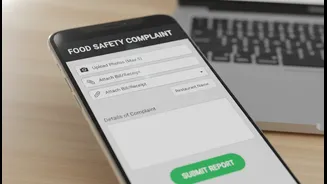
The Food Safety and Standards Authority of India (FSSAI) has created the Food Safety Connect platform, including a mobile app and web portal, to empower consumers. Its goal is to let you report concerns about food products, from misleading labels and unhygienic
restaurant kitchens to adulterated goods. When you file a complaint, it is forwarded to the relevant food safety authorities for inspection and action, creating a system where every citizen can act as a watchdog for public health. The platform is designed to be a direct line between you and the authorities responsible for ensuring the food on your plate is safe.
The Reality Check: Why Complaints Are Ineffective
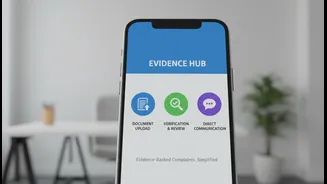
Despite this powerful tool, many user complaints are closed without resolution. The primary reason is a lack of credible and actionable evidence. An anonymous post on social media or a vague complaint on the portal simply isn't enough for authorities to launch a formal investigation or take legal action. For FSSAI to act, a complaint must be a well-documented case file. Without specific, verifiable details, officials cannot build a case against a food business operator. The system relies on citizens to provide the initial proof, and if that proof is weak, the process stalls before it can even begin. FSSAI has recently intensified its enforcement activities, but it heavily relies on public participation to be effective.
Rule 1: A Picture Is Worth a Thousand Words
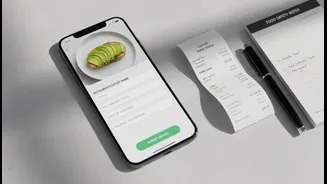
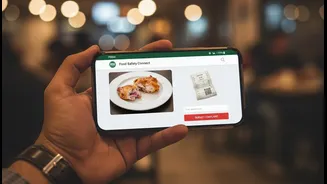
A clear photograph is the single most important piece of evidence you can provide. However, the quality of the photo matters. If you are reporting a contaminated product, capture the foreign object or spoilage clearly. For an expired product, the photo must show the manufacturing and expiry dates on the packaging. When reporting an unhygienic kitchen, the image should clearly depict the unsanitary conditions. FSSAI officially encourages users to upload photographs, stating that a single good picture can trigger rapid scrutiny. Avoid blurry, dark, or out-of-focus images. Your phone is a powerful tool; use it to build the foundation of your complaint with clear visual proof.
Rule 2: The Bill Is Your Golden Ticket
A photograph proves what is wrong, but the bill proves where and when you bought it. Attaching a copy of the bill is strongly advised by FSSAI. The receipt links the faulty product directly to a specific food business operator (FBO) at a specific time. This is crucial for accountability. It prevents the business from claiming the product isn't theirs or that it was purchased long ago. The bill should ideally show the date of purchase, the name and address of the shop or restaurant, and the item in question. Without this proof of transaction, it becomes your word against theirs, which is not enough for regulatory action.
Rule 3: Provide Clear, Concise Details
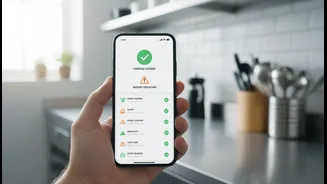
Once you have your photo and bill, the final step is writing the complaint itself. Be specific and stick to the facts. Describe the issue clearly, whether it’s an expired product, a foreign object found in food, or misleading advertising. If possible, include the FSSAI license or registration number of the business, which should be displayed on their premises or packaging. Mentioning this 14-digit number helps the authorities immediately identify the operator. The Food Safety Connect app and portal guide you to select the type of complaint, so choose the most accurate category to ensure it is routed to the correct department. After submitting, you will receive a unique tracking ID to monitor the progress of your complaint.