





What Exactly Is 'Gut Health'?
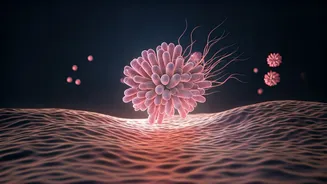
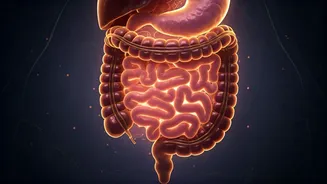
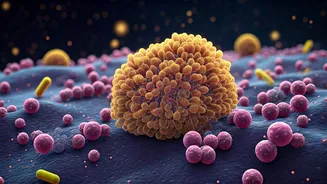
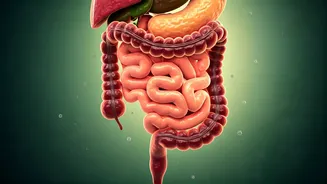
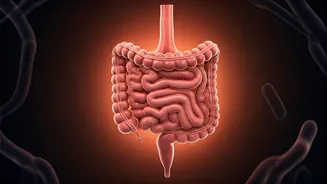
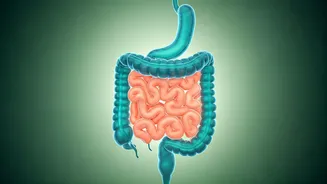
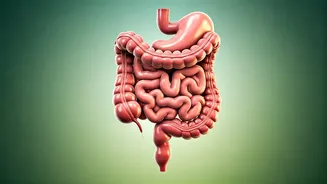
At its core, 'gut health' refers to the balance and function of the microorganisms living in your digestive tract. Think of your gut as a bustling city populated by trillions of bacteria, fungi, and viruses—collectively known as the gut microbiome. In
a healthy gut, there's a harmonious balance between beneficial and potentially harmful microbes. This ecosystem does more than just digest your food; it's a critical command centre that influences everything from your immune system to your mood. When people talk about improving their gut health, they're talking about nurturing this internal garden to ensure the good guys thrive.
More Than Just an Upset Stomach
For years, we associated gut issues primarily with digestive discomfort like bloating, gas, or acidity. While those are certainly signs of an imbalanced gut, the latest research reveals a much deeper story. Scientists now understand that a staggering 70-80% of our immune system is located in the gut. The gut microbiome acts as a gatekeeper, training immune cells to differentiate between friendly bacteria and foreign invaders. A diverse and healthy microbiome can help fortify your body's defences, making you more resilient to infections. This link between gut and immunity is a major reason why it has gained so much attention, especially in a post-pandemic world where building resilience is top of mind.
The Surprising Gut-Brain Connection
Perhaps the most fascinating discovery is the 'gut-brain axis'—a constant, two-way communication highway between your digestive system and your brain. Have you ever felt 'butterflies' in your stomach when nervous? That's the gut-brain axis in action. The microbes in your gut can produce neurotransmitters, including serotonin (the 'happy chemical'), which can influence your mood, anxiety levels, and even how you handle stress. An imbalanced gut can send distress signals to the brain, potentially contributing to feelings of anxiety or low mood. This connection elevates gut health from a purely physical concern to a crucial component of mental and emotional well-being.
Why Is Everyone Talking About It Now?
Several factors have converged to push gut health into the mainstream. A surge in scientific research has provided concrete evidence for its importance, moving it from the realm of alternative wellness into evidence-based health. This has been amplified by wellness influencers and celebrities sharing their own gut health journeys. Furthermore, the modern Indian lifestyle—often characterised by stress, processed foods, and antibiotic use—can disrupt the delicate gut balance, making the topic more relevant than ever. This has created a booming market for products like probiotic supplements, kombucha, and kefir, all promising to restore gut harmony.
Probiotics vs. Prebiotics: A Simple Guide
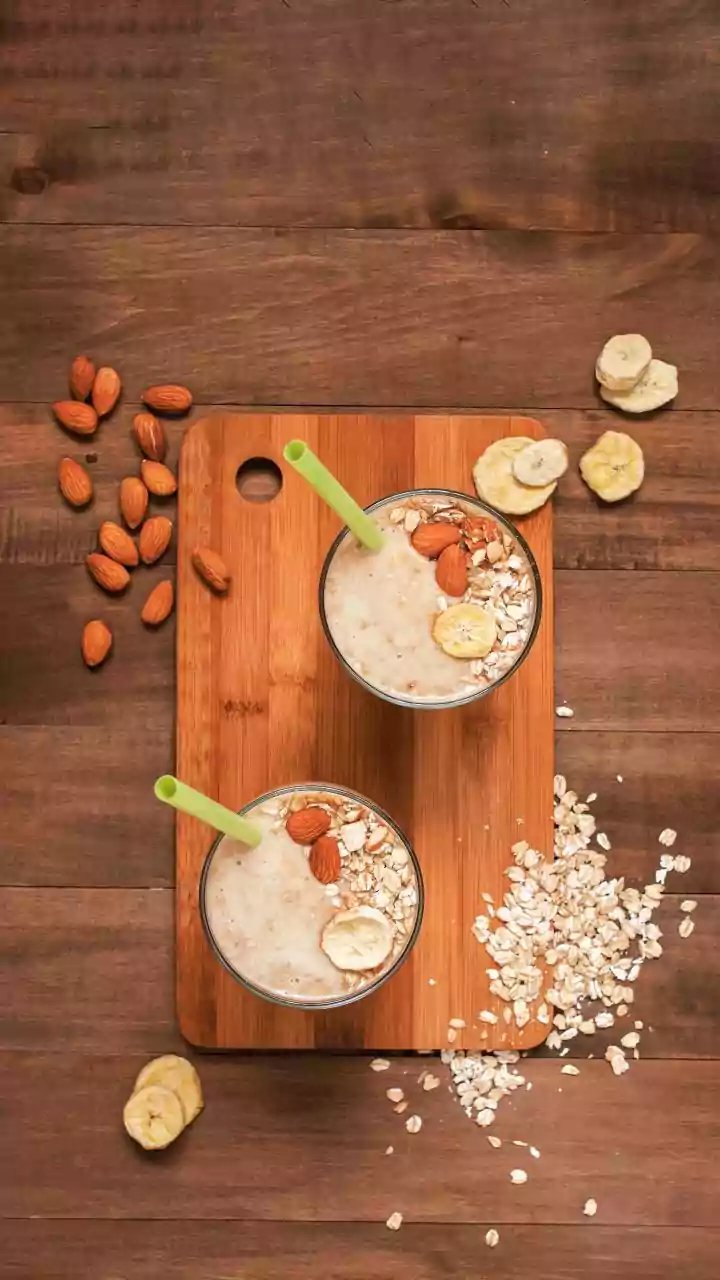
The terms can be confusing, but the distinction is simple. Probiotics are the live, beneficial bacteria themselves. You can find them in fermented foods. For us in India, the most accessible source is homemade dahi (yoghurt). Other great sources include kefir, kimchi, and fermented rice water (kanji). Prebiotics, on the other hand, are the food for these good bacteria. They are types of dietary fibre that your body can't digest, so they travel to your lower digestive tract and become a meal for your healthy microbes. Excellent sources of prebiotics include onions, garlic, bananas (especially slightly green ones), and whole grains. A healthy gut needs both: probiotics to add good soldiers to your army, and prebiotics to feed them.
Simple Ways to Support Your Gut
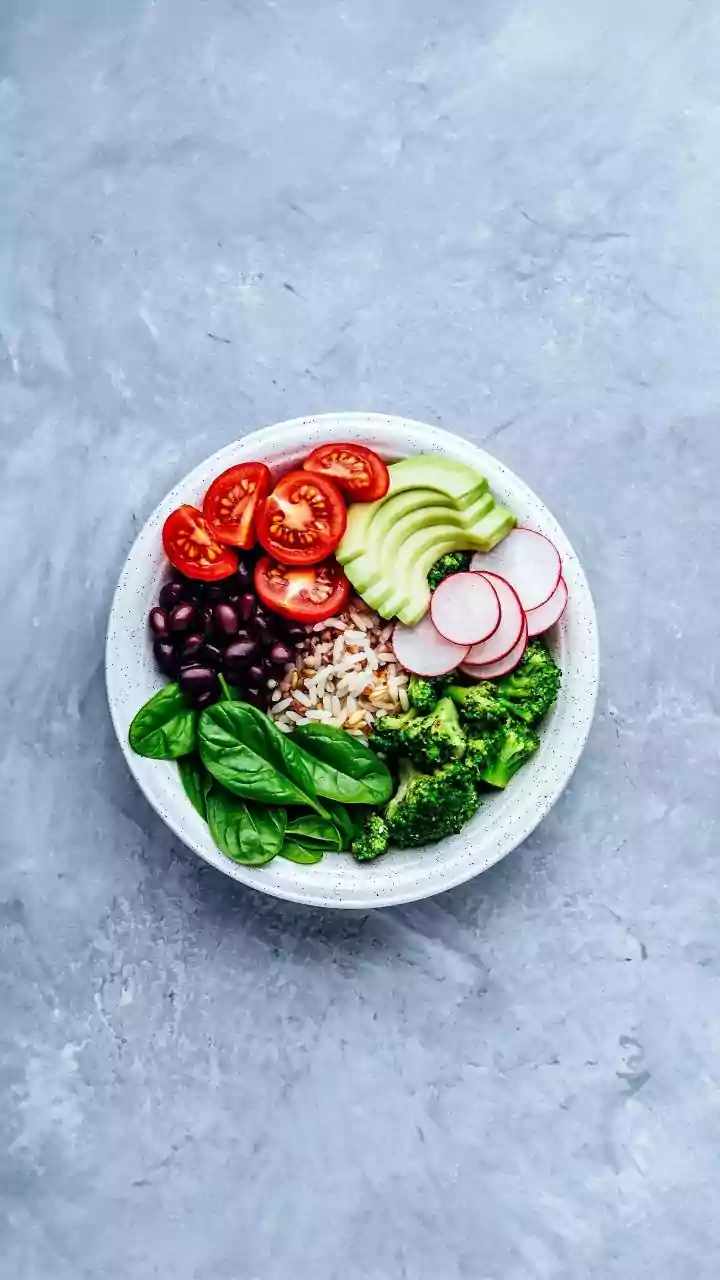
You don't need expensive supplements to start. The best approach is through diet and lifestyle. Aim to 'eat the rainbow'—a diverse range of fruits, vegetables, and whole grains feeds a diverse range of microbes. Incorporate traditional Indian fermented foods like dahi, idli, and dosa into your regular diet. Prioritise fibre to keep your gut microbes well-fed. Beyond food, managing stress through practices like yoga and meditation can calm the gut-brain axis, while getting adequate sleep allows your gut to rest and repair. It's about making small, consistent choices.