





The Nutritional Showdown: Ancient Grains vs. Modern Elixir
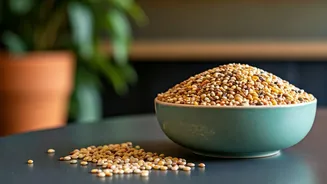
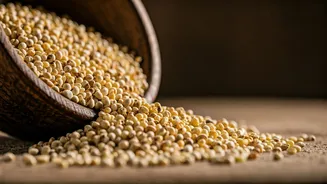
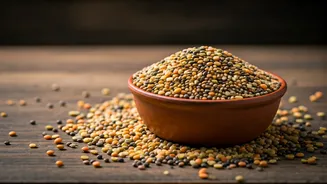
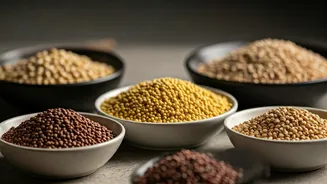
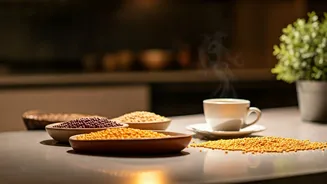
When it comes to nutrition, ragi (finger millet) and bajra (pearl millet) are powerhouses that are hard to ignore. Ragi is famously rich in calcium, boasting levels that are significantly higher than most other cereals. This makes it excellent for bone
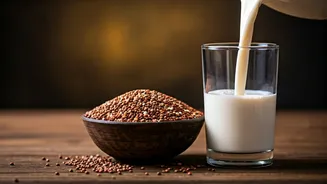
health, especially for children and the elderly. Bajra, on the other hand, is an iron and protein champion, crucial for fighting fatigue and anaemia, which remain common concerns in India. Millets are also naturally gluten-free and packed with fibre, which aids digestion and helps in managing blood sugar levels. While oat milk is often fortified with vitamins and praised for its beta-glucan fibre that helps lower cholesterol, it doesn't naturally contain the same density of minerals as millets. Ragi has more than five times the calcium of oats, and bajra contains over three times the iron. This makes the millet duo a more nutritionally complete choice for foundational health.
The Cost of Wellness: Your Wallet Knows the Winner
The wellness trend often comes with a hefty price tag, and oat milk is no exception. In India, oat milk is considered a premium product, often costing two to three times more than dairy milk. This is largely because over 70% of oat milk consumed in the country relies on imported oats or finished products, adding to the retail price. This high cost limits its accessibility to mostly upper-income urban consumers. Millets, in stark contrast, are significantly more affordable. As locally grown crops, their price point makes them accessible to a much wider population. The Indian government has also been actively promoting millets through various schemes, aiming to increase their availability and keep them affordable, which includes supporting farmers and even proposing their inclusion in the Public Distribution System. For the average Indian household, choosing ragi and bajra over imported alternatives is a clear win for the monthly budget.
Rooted in Sustainability: An Environmental Edge
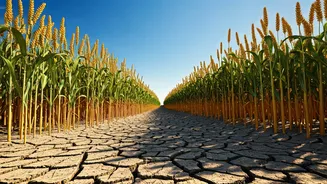
In an era of climate change and water scarcity, our food choices have a direct environmental impact. This is where millets truly shine. They are incredibly resilient crops, often called 'climate-smart' for their ability to thrive in harsh conditions. Millets require significantly less water than rice and wheat, and are tolerant to high temperatures and poor soil. This resilience means they need fewer chemical inputs like pesticides and fertilisers, which is better for the soil and reduces the carbon footprint of farming. In fact, the carbon footprint of millet cultivation is lower than that of both wheat and rice. While oat farming is generally more sustainable than dairy, the processing and transportation required to bring oat milk to the Indian market add to its environmental cost. Millets, being native crops, represent a more sustainable, farm-to-table cycle that supports local ecosystems and farmers.
A Return to Tradition: More Than Just a Health Trend
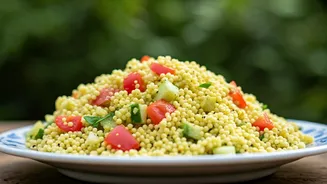
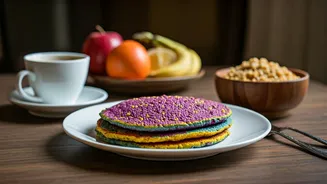
The resurgence of ragi and bajra is more than a dietary shift; it's a cultural homecoming. For generations, these millets were staples in Indian households before being overshadowed by wheat and rice during the Green Revolution. Today, there's a growing movement to reclaim these traditional foods. This revival is supported by government initiatives like the International Year of Millets, which have spurred public awareness and innovation in millet-based products. From ragi dosas and bajra rotis to modern millet-based snacks and even plant milks, these grains are being embraced in both traditional and contemporary forms. This trend taps into a deeper desire for authenticity and a connection to our roots. While oat milk fits into a global wellness narrative, millets offer a story that is uniquely Indian, aligning with a broader 'go local' sentiment that values indigenous wisdom and resources.