


Welcome to Munsiyari: The Crown of Kumaon
Tucked away in the Pithoragarh district of Uttarakhand, Munsiyari is a small, serene town that offers what many popular hill stations have lost: peace. Sitting at an altitude of about 2,298 metres, its name translates to a 'place with snow'. The main
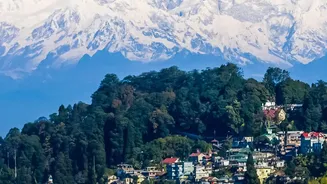
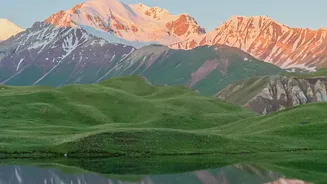
draw is the jaw-dropping, panoramic view of the Panchachuli peaks—a cluster of five snow-capped Himalayan giants that dominate the skyline. Unlike the bustling circuits of Shimla or Manali, Munsiyari provides an unfiltered connection with nature, serving as a gateway to the Johar Valley and ancient trade routes to Tibet. It’s a destination for those who seek spectacular scenery, quiet trails, and a glimpse into the slow-paced life of the Bhotia tribes.
The Journey is the Destination
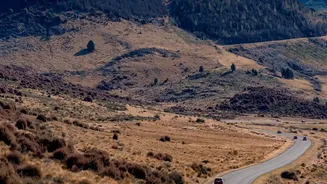
Reaching Munsiyari is an adventure in itself and a significant reason for its preserved charm. There are no direct flights or trains; the journey is a scenic, winding road trip that immerses you in the changing landscapes of the Kumaon region. The nearest railway station is Kathgodam (around 275 km away), and the closest airport is in Pantnagar (around 300 km away). From either of these points, it's a full day's drive, often taking 9-10 hours. Most travellers break the nearly 600-km journey from Delhi into two days, with an overnight halt in a town like Almora, Bageshwar, or Chaukori. The drive, especially the final stretch, is breathtaking, passing through dense forests, alongside rushing rivers, and offering ever-improving mountain views that make the long travel time feel worthwhile.
What to See and Do
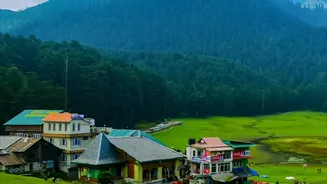
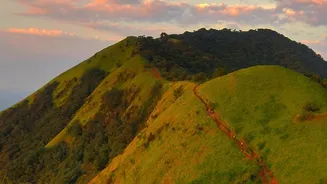
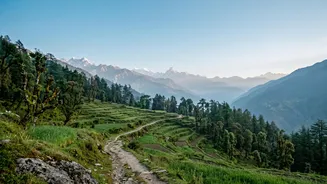
While the main activity in Munsiyari could simply be enjoying the stunning views from your hotel window, the region is ripe for exploration. The Khaliya Top trek is the most popular activity, a relatively easy-to-moderate trek that takes you to a vast alpine meadow at 3,500 metres. The 360-degree view from the top, encompassing the Panchachuli, Nanda Devi, and Rajrambha peaks, is unforgettable. For those not keen on a full trek, there are plenty of other sights. Birthi Falls, a magnificent 125-metre cascade, is a spectacular stop en route. You can visit the Nanda Devi Temple for blessings, explore the Tribal Heritage Museum to understand the local culture, or take a short drive to Darkot village to see artisans creating traditional woolen shawls and carpets.
Planning Your Visit: Best Time and Stays
Munsiyari is accessible for most of the year, but the experience varies with the seasons. The best times to visit are from March to June and from September to November. In spring (March–April), the weather is pleasant, and the rhododendron forests are in full bloom. Autumn (September–November) offers crisp air and arguably the clearest, most spectacular views of the snow peaks after the monsoons have washed the skies clean. Winters (December–February) transform the town into a snowy wonderland, perfect for those who enjoy the cold and solitude, though road access can sometimes be affected by heavy snowfall. Accommodation is primarily composed of locally owned guesthouses, homestays, and small hotels, which allows for a more authentic and intimate experience with Kumaoni hospitality.