




Breaking From the Old Orbit
Until recently, India's space sector was largely synonymous with the Indian Space Research Organisation (ISRO). While private companies existed, they primarily acted as suppliers to the state-run agency. The foreign investment rules were also restrictive
and ambiguous. Previously, FDI in satellite establishment and operation was permitted only through the government approval route, a process that could be slow and deter institutional investors. This framework, designed with national security in mind, was seen as a barrier to attracting the significant global capital needed for a high-cost, high-risk industry like space exploration and technology.
The New Three-Tiered Framework
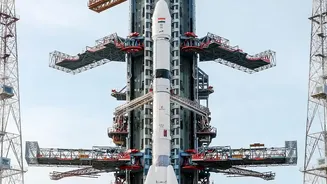
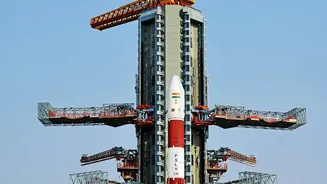
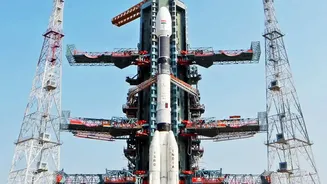
The recent amendment to the FDI policy, which came into effect earlier this year, replaces the old system with a clearer, three-tiered structure that distinguishes between different activities. The most liberalised category allows up to 100% FDI via the automatic route for the manufacturing of components and subsystems for satellites and ground segments. For satellite manufacturing and operations, satellite data products, and ground and user segments, the automatic route is open for up to 74% FDI. The most sensitive area—launch vehicles and the creation of spaceports—now allows up to 49% FDI through the automatic route. Investments beyond these automatic limits are still possible but require government approval. This segmented approach is a fine balancing act, aiming to attract global funds while protecting strategic national security interests related to launch technologies.
Fueling the Startup Ecosystem
This policy shift is a game-changer for India's burgeoning space-tech startup scene, which now numbers over 400 companies. With easier access to foreign capital, these firms can accelerate research and development, upgrade manufacturing infrastructure to global standards, and compete for international contracts. The new rules not only bring in money but also facilitate the transfer of advanced technology, helping Indian companies to catch up with the latest global innovations. Companies like Skyroot Aerospace, AgniKul, and Pixxel, which have already made significant strides, are now better positioned to attract larger, later-stage investments. The reform is expected to help India's space economy grow from an estimated USD 9 billion to over USD 44 billion by 2033.
The Role of IN-SPACe
This investment liberalisation works in tandem with the institutional reforms started in 2020. The establishment of the Indian National Space Promotion and Authorization Center (IN-SPACe) as a single-window regulatory body is crucial. IN-SPACe acts as the interface for private companies, authorising their activities and providing access to ISRO's world-class facilities and expertise. This streamlined process cuts down on bureaucratic hurdles and allows foreign capital to be deployed more rapidly into active projects. By defining clear roles—ISRO focusing on R&D and IN-SPACe enabling the private sector—the government has created a more predictable and attractive environment for investors.
The Trajectory Ahead
While the FDI reform is a monumental step, the journey is far from over. Realising the full potential of this policy will depend on continued regulatory clarity and robust infrastructure development. The new rules will encourage global aerospace giants and deep-tech venture capital firms to establish a stronger presence in India, creating both competition and collaboration opportunities for domestic players. The influx of capital is expected to not only boost the headline-grabbing launch and satellite sectors but also invigorate the entire supply chain, including thousands of Micro, Small, and Medium Enterprises (MSMEs) involved in component manufacturing. The focus now shifts from policy to execution, ensuring India can effectively absorb this new investment and translate it into a larger footprint in the global space market.