

Why Whole Spices Are Worth It
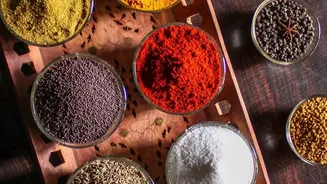
The difference between using whole spices and their pre-ground counterparts is like the difference between a fresh-brewed coffee and an instant packet. Whole spices, like cumin seeds, contain volatile oils locked within their structure. These oils are
where the aroma and flavour live. Once a spice is ground, its surface area expands dramatically, exposing these oils to air and light, which causes them to degrade quickly. A whole cumin seed can retain its potency for years, while ground cumin loses its aromatic punch within months. By buying whole and toasting or grinding them just before use, you are cooking with the spice at its absolute peak, ensuring a more vibrant and complex flavour in your final dish.
Harnessing the Power of Cumin
Whole cumin seeds, or 'jeera', are a cornerstone of Indian cooking, known for their warm, earthy flavour. To truly awaken their potential, they need to be toasted. This simple step transforms their taste, making it nuttier and more aromatic. To do this, place the seeds in a dry, heavy-bottomed pan over medium heat. Keep the pan moving, either by stirring or shaking, for about 2 to 4 minutes. You'll know they're ready when they darken slightly and release a strong, fragrant aroma. Be careful not to burn them, as this will create a bitter taste. Once toasted, immediately transfer them to a cool plate to stop the cooking process. From here, you can use them whole in a 'tadka' (tempering in hot oil) or let them cool and grind them into a powder using a spice grinder or mortar and pestle for a fresher, more potent version of the store-bought powder.
Taming the Tang of Tamarind
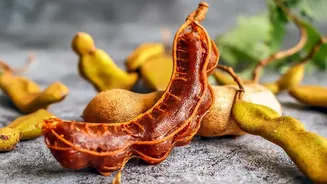
Tamarind provides a unique sweet-and-sour tang that cuts through richness and brightens dishes. It most commonly comes in a compressed block of pulp, which needs a little preparation before use. To make tamarind paste, break off a piece of the block and soak it in hot water for about 20 minutes until it softens. Then, use your fingers to squeeze and mash the pulp, separating the soft flesh from the seeds and tough fibres. Finally, push this mixture through a fine-mesh sieve to get a smooth, thick paste, which is now ready to be added to your cooking. The consistency should be similar to applesauce. While you can buy ready-made tamarind concentrate, making your own from a block often results in a fresher, more complex flavour without preservatives.
The Art of the Flavor Balance
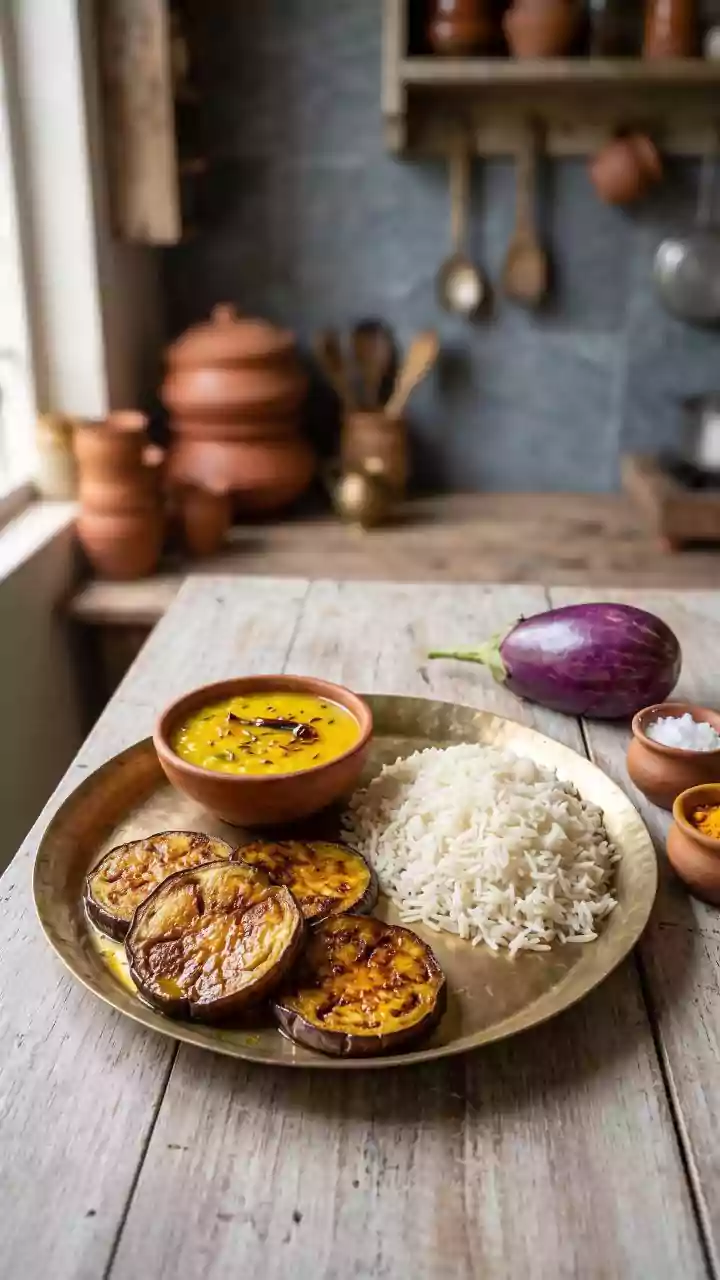
Cumin and tamarind are a classic pairing for a reason; they are partners, not stand-ins for each other. The deep, earthy warmth of cumin provides a perfect counterbalance to the bright, fruity sourness of tamarind. This combination creates a complex and harmonious flavour profile found in many iconic South Asian dishes like rasam, sambar, and various chutneys and dals. When using them together, the method matters. Often, whole cumin seeds are tempered in oil at the start of cooking to build a fragrant foundation. The tamarind paste is then typically added later in the process, stirred into the curry or sauce to provide a finishing tang that lifts all the other flavours. Experimenting with other spices like coriander and turmeric can further enhance this delicious partnership.