







The Science of the Afternoon Slump
That sleepy, lethargic feeling you get after a meal is a real phenomenon known as postprandial somnolence, or more colloquially, a 'food coma'. It often peaks one to two hours after you eat. A primary driver of this is the fluctuation in your blood sugar
levels. After you eat, your body breaks down carbohydrates into glucose, which enters your bloodstream, causing blood sugar to rise. In response, your body releases insulin to help your cells absorb this glucose for energy. A large or carb-heavy meal can cause a rapid spike in blood sugar, followed by a significant release of insulin. This can lead to a subsequent 'crash' as your blood sugar levels dip, leaving you feeling tired and unfocused.
How a Simple Walk Works Wonders
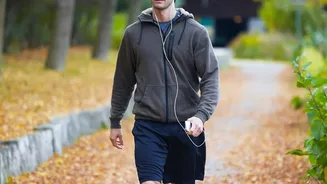
This is where a post-meal stroll comes in. Engaging in light physical activity, like walking, encourages your muscles to absorb glucose directly from the bloodstream for energy. This process helps to blunt the sharp spike in blood sugar that would otherwise occur after eating. By moderating this glucose surge, you avoid the dramatic overcorrection by insulin and the resulting energy-sapping crash. Essentially, the walk helps your body use the fuel from your meal more steadily and efficiently, leading to more stable energy levels throughout the afternoon.
Perfect Timing and Duration
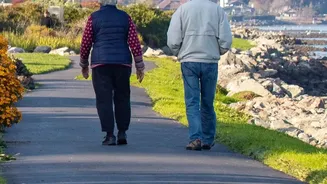
You don’t need to embark on a strenuous hike to reap the benefits. Research shows that even a very short walk can make a significant difference. Studies suggest that walking for as little as two to five minutes after a meal can help lower blood sugar. However, a common recommendation is to aim for a gentle 10 to 15-minute stroll. The ideal time to start walking is about 10 to 15 minutes after you’ve finished eating. This gives your stomach a moment to begin the initial stages of digestion before you start moving, preventing potential discomfort. The goal is a relaxed, comfortable pace, not a power walk.
Beyond Blood Sugar Benefits
Stabilizing glucose is just one piece of the puzzle. Walking after a meal also promotes better digestion. The gentle movement helps stimulate peristalsis, the wave-like muscle contractions that move food through your digestive tract. This can help alleviate common post-meal complaints like bloating, gas, and a feeling of excessive fullness. Furthermore, developing this habit contributes to overall cardiovascular health by supporting healthy circulation and potentially helping to lower blood pressure over time. It’s a simple, low-impact way to add more movement to your day, which can also aid in long-term weight management.
Making the Post-Lunch Walk a Habit
Incorporating this into a busy schedule, whether at the office or working from home, is easier than it sounds. Keep a comfortable pair of walking shoes at your desk as a visual reminder. If you're at the office, use the time for a quick loop around the building or a nearby park. If working from home, a walk around your neighbourhood block is perfect. You can even make it a social activity by inviting a colleague or family member to join you. The key is consistency. By making this small, achievable change to your daily routine, you turn your lunch break into a powerful tool for maintaining energy and improving your overall well-being.