







The Big Change for Indian Travellers
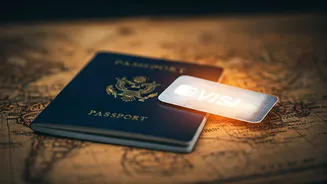
The most significant update for Indian citizens is the introduction of a new e-visa policy. Previously, the e-visa for Vietnam was valid for a single entry and a maximum stay of 30 days. This often meant travellers had to carefully plan their itineraries
to fit within a tight window. Now, the government has officially rolled out a far more generous 90-day, multiple-entry e-visa. This is a game-changer, transforming Vietnam from a short-trip destination into a place where you can truly immerse yourself. While this is not a visa-free arrangement, it dramatically simplifies the process and removes the time pressure, making it perfect for both meticulous planners and last-minute adventurers.
How the New E-Visa Works
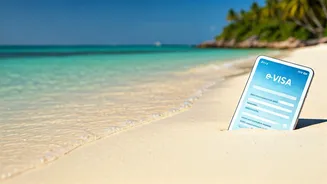
The term 'multiple-entry' is key here. It means you can enter and exit Vietnam as many times as you like within that 90-day validity period. This is ideal if you plan to explore neighbouring countries like Cambodia, Laos, or Thailand and then return to Vietnam without needing a new visa. The application process remains straightforward and is conducted entirely online. You'll need to visit the official Vietnam immigration portal, fill out the application form with your personal details and travel information, upload a passport photo and a scanned copy of your passport's data page, and pay the visa fee. Processing typically takes a few business days, after which you'll receive your e-visa via email. Simply print it out and present it upon arrival.
Why This Is a Game-Changer
The extended 90-day validity unlocks a whole new way to experience Vietnam. Forget rushing through a highlight reel of cities. Now, you can travel the length of the country at a leisurely pace, from the mountainous regions of the north to the sun-drenched beaches of the south. It’s perfect for digital nomads who want to set up a temporary base, slow travellers who prefer to soak in the local culture, or anyone who wants the flexibility to build a comprehensive Southeast Asia itinerary. This policy change signals Vietnam's commitment to becoming a more accessible and welcoming destination for global tourists, and Indian travellers are prime beneficiaries of this new, forward-thinking approach.
Planning Your 90-Day Itinerary
With three months at your disposal, you can see the real Vietnam. Start in the north with the vibrant capital, Hanoi, known for its incredible street food and colonial architecture. From there, take an overnight cruise through the mystical limestone karsts of Ha Long Bay. Journey further north to the terraced rice fields of Sapa, home to diverse hill tribes. Next, fly to Central Vietnam. Explore the ancient, lantern-lit town of Hoi An, discover the imperial history of Hue, and relax on the beaches of Da Nang. For your final leg, head south. Dive into the pulsating energy of Ho Chi Minh City (formerly Saigon), explore the intricate waterways of the Mekong Delta, and unwind on the pristine islands of Phu Quoc. This kind of extensive, multi-region trip is exactly what the new visa rules are made for.
Essential Tips Before You Go
To make your trip seamless, keep a few things in mind. The local currency is the Vietnamese Dong (VND), and while credit cards are accepted in major hotels and restaurants, cash is king for street food and local markets. For connectivity, purchase a local SIM card from providers like Viettel or Vinaphone upon arrival at the airport; they offer affordable data plans. When it comes to transport, domestic flights are cheap and efficient for long distances. For shorter journeys, ride-hailing apps like Grab are widely used and reliable. Finally, don't be shy about trying the street food—it’s a highlight of any Vietnamese journey. From a steaming bowl of Phở to a crispy Bánh Mì, the culinary adventures are endless.