








The Pawsitive Health Benefits
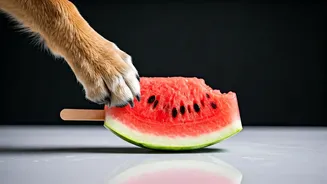
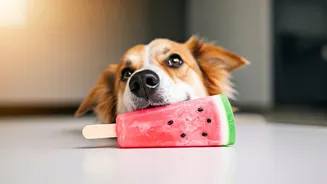
Before we get to the recipe, let’s talk about why this combination is so good for your canine companion. Watermelon is over 90% water, making it an excellent source of hydration. It's also packed with vitamins A, B6, and C, as well as potassium. It’s
a low-calorie treat, so you don’t have to worry too much about your dog’s waistline. Plain curd (dahi) is the second hero ingredient. It's a fantastic source of protein, calcium, and, most importantly, probiotics. These beneficial bacteria can aid your dog's digestion and promote a healthy gut. Together, watermelon and curd create a treat that’s not just refreshing but also genuinely good for them. The cooling effect of the frozen pop also provides mental stimulation and relief on a sweltering afternoon.
Your Simple Shopping List
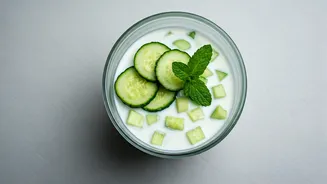
You won't need to hunt for exotic ingredients. This recipe is all about simplicity and safety. Here’s what you’ll need: * **Watermelon:** One small watermelon or a few large slices will do. The key is to use fresh, ripe fruit. * **Plain Curd (Dahi):** About one cup. It is absolutely crucial that you use plain, unsweetened curd. Do not use flavoured or sweetened varieties, as they can contain sugars and artificial sweeteners like xylitol, which is extremely toxic to dogs. That's it! For equipment, you'll need a blender, a knife, a cutting board, and something to use as a mould. Silicone ice cube trays, special dog bone-shaped moulds, or even small paper cups work perfectly.
The Easiest Recipe Ever
This recipe is practically foolproof. If you can use a blender, you can make these pops. Follow these simple steps: 1. **Prep the Watermelon:** Slice the watermelon and carefully remove all seeds. The seeds can cause intestinal blockage, so this step is non-negotiable. Also, cut away the green rind, as it is tough for dogs to digest and can cause gastrointestinal upset. 2. **Cut into Chunks:** Cut the seedless, rindless watermelon flesh into small chunks that will be easy for your blender to handle. 3. **Blend It Up:** Place about two cups of watermelon chunks and one cup of plain curd into the blender. Blend until you have a smooth, liquid consistency, like a smoothie. 4. **Pour and Freeze:** Carefully pour the mixture into your chosen moulds. If you want to add a “stick” for easier handling, you can place a small, dog-safe chew stick (like a carrot or celery stick) into the centre of each pop before freezing. 5. **Freeze Solid:** Place the moulds in the freezer for at least 4-6 hours, or until completely frozen solid.
Pro Tips and Fun Variations
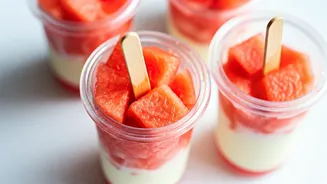
Want to take your dog pops to the next level? Here are a few ideas: * **Add-Ins:** Feel free to blend in a few other dog-safe ingredients for extra flavour and nutrients. A handful of blueberries, a few slices of banana, or a spoonful of unsweetened peanut butter (check the label for no xylitol!) can be great additions. * **Layered Pupsicles:** For a fancier look, you can create layers. Blend and pour the watermelon first, let it partially freeze for an hour, then top it with a layer of plain blended curd. * **Sensitive Tummies:** If your dog is known to be lactose intolerant, you can either use a very small amount of curd or substitute it with a splash of goat milk or lactose-free yoghurt, which are often easier to digest. You can also make a pure watermelon sorbet by just blending and freezing the fruit on its own.
A Quick Safety Checklist
Keeping your dog safe is the number one priority. Always follow these rules when making and serving homemade treats: * **No Seeds, No Rind:** We can't say it enough. Always remove all watermelon seeds and the tough green rind. * **Plain and Unsweetened Only:** Double-check your curd to ensure it has no added sugars or artificial sweeteners, especially xylitol. * **Serve in Moderation:** Treats should make up no more than 10% of your dog's daily caloric intake. These pupsicles are a healthy snack, not a meal replacement. * **Test First:** The first time you give your dog any new food, start with a small amount to see how their system handles it. Watch for any signs of digestive upset. * **Consult Your Vet:** If you have any concerns about your dog’s dietary needs or allergies, it’s always best to have a quick chat with your veterinarian before introducing new foods.