




Brakes: Your First Line of Defence
On steep descents and sharp curves, your brakes work much harder than they do in the city. Before you leave, check your brake fluid levels and ensure the fluid isn't old or dark, as this can reduce efficiency. Listen for any squealing or grinding sounds
and feel for any vibrations when you press the pedal. If your car is due for service, ask the mechanic to specifically inspect the brake pads for wear. On the mountain roads, use lower gears to control your descent and give your brakes a rest.
Tyres: Your Connection to the Road
Your tyres are the only part of your car in contact with the road, making them critical for grip and stability. Inspect the tread depth; a minimum of 3mm is advisable for mountain terrain to ensure good traction, especially if you encounter wet roads. Check all five tyres—including the spare—for any cuts, bulges, or uneven wear. Tyre pressure should be set to the manufacturer's recommendation for the load you're carrying. Remember that pressure can change with altitude, so it's wise to have a reliable pressure gauge and a portable tyre inflator in your kit.
Fluids: The Lifeblood of Your Engine
Long, steep climbs put a significant strain on your engine, causing it to generate more heat. Your car's coolant is vital for preventing overheating. Before your trip, check that the coolant level is between the minimum and maximum marks. Also, inspect the engine oil. If it's dark, gritty, or near its change interval, it's best to get it replaced for optimal performance. Don't forget to top up your windshield washer fluid, as mountain roads can be dusty or prone to sudden showers.
Battery and Electricals: See and Be Seen
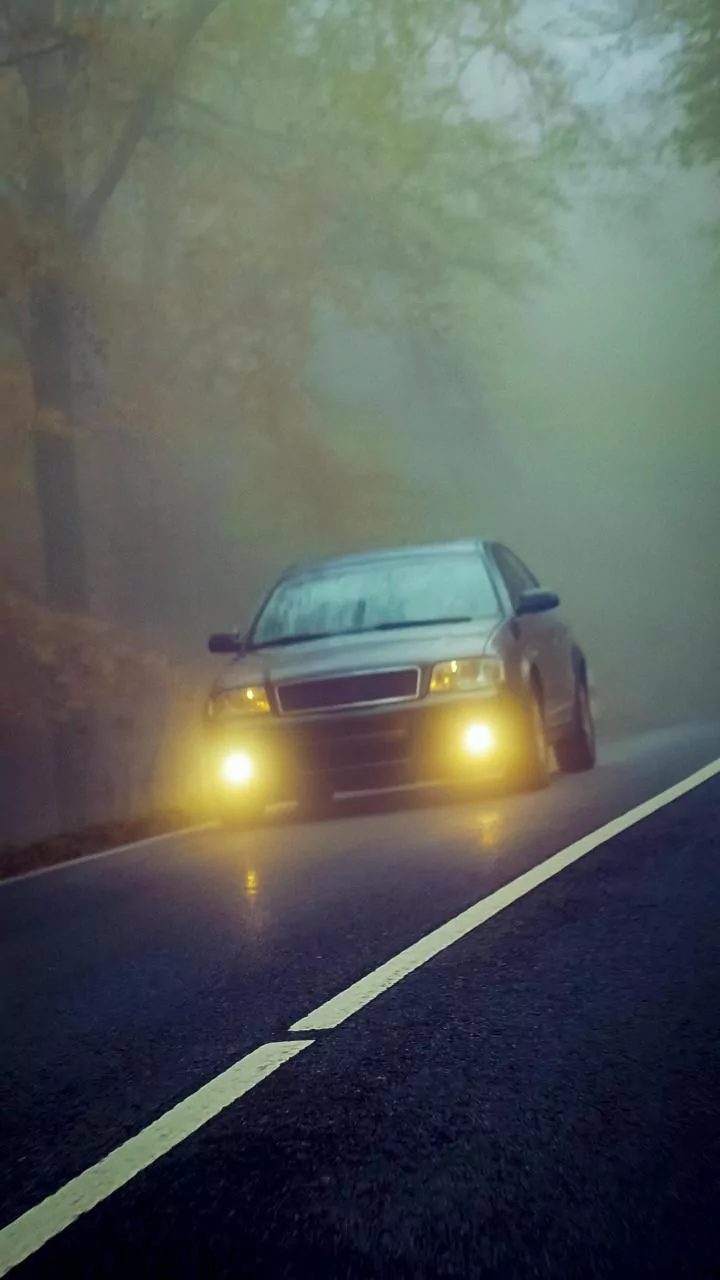
A dead battery is an inconvenience anywhere, but it's a major problem in a remote mountain location. If your battery is over three years old, have it tested. Check the terminals for any corrosion and ensure the connections are tight. Test all your lights: headlights (both low and high beam), tail lights, brake lights, and indicators. In foggy conditions, fog lamps are essential. Your horn is also a critical safety tool on blind corners, so make sure it is working properly.
Belts, Hoses and Underbody: The Unseen Heroes
Pop the hood and visually inspect the belts and hoses. Look for any signs of cracking, fraying, or bulging. A broken fan belt can cause your engine to overheat quickly. While you're at it, take a quick look under the car for any visible fluid leaks from the engine bay. Mountain roads can be unpredictable and rough, so ensuring these components are in good condition can prevent a sudden breakdown.
Emergency and Safety Kit: Your Roadside Backup
Even the best-prepared car can face unexpected issues. Your emergency kit is your backup plan. This should include a complete toolkit, a puncture repair kit, and jumper cables. Also pack a first-aid kit, a powerful flashlight, extra water, and some non-perishable snacks. It’s also wise to have the numbers for roadside assistance and your insurance provider saved in your phone and written down.