


A Kingdom Built From Clay
Bishnupur’s story is inextricably linked with the Malla dynasty, who ruled the region for nearly a thousand years. During the 17th and 18th centuries, under their patronage, the town blossomed into a major cultural and architectural hub. Faced with a scarcity
of stone, local artisans turned to the rich, alluvial clay of the region, mastering the art of terracotta. This gave rise to a unique architectural style where temples were constructed from burnt clay bricks, their surfaces adorned with incredibly detailed narrative panels. This flourishing of art and devotion was deeply connected to Gaudiya Vaishnavism, which the Malla kings embraced, commissioning numerous temples dedicated to Lord Krishna.
Stories Etched in Terracotta
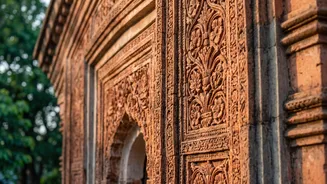
What makes the temples of Bishnupur truly unforgettable is the artistry of their terracotta facades. These are not mere decorations but intricate visual libraries narrating tales from Hindu epics like the Ramayana and Mahabharata, as well as scenes from the life of Krishna (Krishnalila). The panels on temples like the Shyam Rai and Jor Bangla showcase a breathtaking level of detail, capturing everything from epic battles and divine acts to scenes of daily life and even the arrival of European traders. The artisans created a dynamic effect, with the play of light and shadow bringing these baked-earth stories to life. This tradition created a distinct artistic identity, setting Bishnupur's temples apart from any other in India.
A Tour of Architectural Marvels
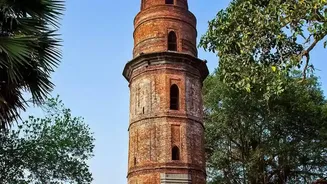
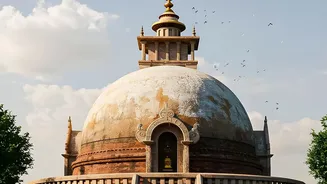
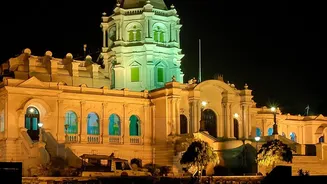
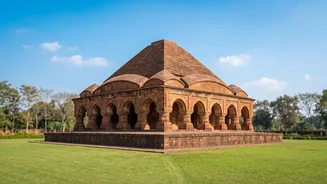
While there are many temples to explore, a few stand out as essential stops. The Rasmancha, built in 1600 by King Bir Hambir, is perhaps the most iconic structure. Its massive, pyramidal roof and arched galleries are architecturally unique in the country. It was not a temple for a single deity, but a grand stage where idols from other temples were displayed during the annual Ras festival. The Jor Bangla temple (1655), with its distinctive double-thatched-roof design, is a masterpiece of the 'chala' style of Bengali architecture. The Madan Mohan Temple (1694), an 'Eka-ratna' or single-pinnacled temple, is still an active place of worship and celebrated for its refined and delicate carvings.
Beyond the Temples: A Living Culture
A trip to Bishnupur offers more than just architectural admiration. The town is a living centre for crafts that have been passed down through generations. It is world-famous for its Baluchari sarees, silk sarees that traditionally feature mythological scenes on their 'pallu' and borders, often drawing inspiration directly from the temple carvings. The town also has its own distinct school of Hindustani classical music, the Bishnupur Gharana, which adds another layer to its rich cultural tapestry. Visitors can explore workshops, watch artisans at their looms, and take home a piece of this enduring heritage.
Planning Your Trip From Kolkata
Bishnupur is an accessible and rewarding weekend destination from Kolkata. The distance is around 140-150 km, and the journey can be made by car or train. Driving takes approximately 3-4 hours, while direct trains from Howrah Station reach Bishnupur in a similar timeframe. The best time to visit is between October and March when the weather is cool and pleasant, making it ideal for exploring the temples on foot. This period also includes the Bishnupur Mela, a vibrant fair held in late December that celebrates the region's local crafts and music. An ideal trip would span two to three days, allowing enough time to soak in the history, art, and serene atmosphere of this remarkable town.