



The Monsoon Effect: A Paradise for Microbes
The primary reason food spoils faster during the monsoon is the dramatic increase in humidity. This abundance of moisture in the air settles on every surface, including your freshly prepared meals. This moisture, combined with the warm ambient temperatures
typical of the Indian rainy season, creates an ideal environment for bacteria, moulds, and fungi to thrive and multiply at an accelerated rate. Germs that are otherwise manageable can quickly grow to dangerous levels, turning a perfectly good meal into a health hazard in just a few hours.
The Unseen Invaders: Bacteria and Fungi
The main culprits behind food spoilage and foodborne illnesses are pathogenic bacteria and fungi. Common bacteria like E. coli, Salmonella, and Listeria flourish in the damp, warm conditions of the monsoon. These microorganisms can contaminate food that is left out, improperly stored, or handled with less-than-perfect hygiene. Fungi, which appear as mould, also grow rapidly on everything from bread and leftovers to pickles and even dry snacks that have been exposed to damp air. What's worrying is that food can be contaminated long before it shows visible signs of spoilage, like a bad smell or mould.
The Temperature 'Danger Zone'
Microbiologists refer to the temperature range between 5°C and 60°C as the 'Danger Zone'. Within this range, bacteria can double in number in as little as 20 minutes. During the monsoon, room temperatures often fall squarely within this danger zone. Leaving cooked food on the counter for more than two hours is a significant risk. This applies to all cooked food, but especially items with high moisture content like dals, curries, cooked rice, and meat dishes, which are particularly susceptible to rapid bacterial growth.
Smart Storage: Your First Line of Defence
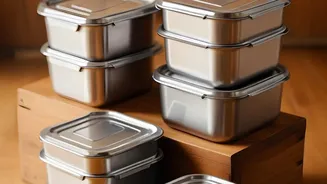
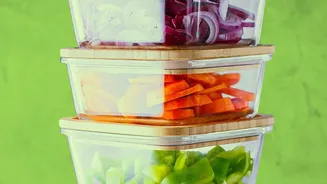
Proper storage is the most critical step in keeping cooked food safe. The first rule is to cool leftovers quickly and refrigerate them within two hours of cooking. To do this effectively, transfer hot food into shallow containers to help it cool down faster. Once cooled, store it in clean, dry, airtight containers. This prevents airborne moisture and microbes from contaminating the food and stops odours from spreading in your fridge. Never leave food, especially items like cut fruit, chutneys, or salads, uncovered at room temperature for long periods.
Reheating Rules: The Final Safety Check
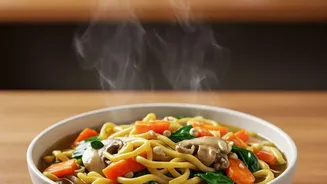
When you're ready to eat leftovers, reheating them properly is essential to kill any bacteria that may have developed during storage. Simply warming the food is not enough. You must reheat it thoroughly until it is steaming hot, reaching an internal temperature of at least 75°C (165°F). For gravies, soups, and dals, bring them to a rolling boil for a few minutes. This ensures that any harmful bacteria are destroyed, making the food safe to consume. Never taste food to check if it's still good; if in doubt, it's always safest to throw it out.
Foods That Need Extra Attention
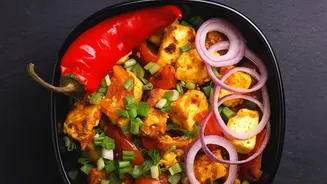
While all cooked food requires care, some items are at a higher risk during the monsoon. Cooked rice can host specific bacteria that produce toxins not easily destroyed by reheating. Dairy products like paneer, milk-based sweets, and creams also spoil very quickly. Chutneys, especially those made with fresh herbs and water, can become a source of infection if not refrigerated promptly. Similarly, be wary of street foods, as their preparation and storage conditions can be compromised by rainwater and unhygienic handling, increasing the risk of illnesses like typhoid, cholera, and gastroenteritis.