







Confirming the Market Momentum
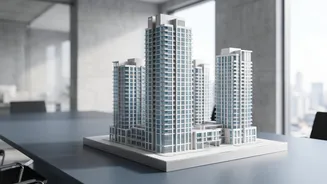
Recent data confirms the headline's claim: Mumbai's housing market is indeed robust. August 2026 saw property registrations reach a 14-year high for the month, with an 11% year-on-year increase to over 12,500 units. This indicates sustained homebuyer
interest and transactional momentum. This upward trajectory has been consistent, with the first eight months of 2026 showing a 6.8% rise in registrations compared to the same period in 2025. This demand is driven by end-users, improving buyer confidence, and a preference for homeownership in well-located projects. Another key trend is the rise of redevelopment, with sales from redeveloped properties now outpacing new launches, offering buyers new homes in established locations.
Legal and Regulatory Checks
This is the most critical step. Start with RERA (Real Estate Regulatory Authority) verification. Every project over 500 square meters or with eight units must be registered. You can verify a project's details, including completion timelines and approvals, on the MahaRERA website. Next, scrutinise the Title Deed to confirm the seller's ownership and right to sell. A lawyer should review this document, tracing ownership for at least the last 12 to 30 years. Also, ask for the Commencement Certificate (CC), which is the municipal permission to start construction, and the approved building plans. For ready-to-move-in properties, the Occupancy Certificate (OC) is non-negotiable. It certifies that the building is safe to live in, with all utilities like water and electricity cleared. Living in a building without an OC is illegal.
Financial Due Diligence
The price you see in an ad is never the final cost. Budget for an additional 25-30% over the base price. Key additional costs include stamp duty (typically 5-7% in Maharashtra), registration charges (around 1%), and GST (5% for under-construction properties, but not applicable for ready-to-move-in homes with an OC). Other charges can include fees for parking, maintenance deposits, and legal verification. Before you start your search, it is wise to get a home loan pre-approved. This gives you a clear budget and strengthens your position when negotiating with sellers. Financial advisors often recommend that your total monthly EMIs should not exceed 40-45% of your income.
Builder and Project Scrutiny
A developer's reputation is a strong indicator of your future experience. Don't rely solely on glossy brochures. Research the builder's track record by looking into their past projects. Check for delivery timelines, construction quality, and feedback from existing residents. Search the RERA portal for any complaints filed against the builder. When inspecting the property, pay close attention to the carpet area—the actual usable space within the walls. This is often 25-30% less than the super built-up area that is advertised. Verify that the amenities promised in the brochure match what has been delivered or is clearly planned. Also, consider the neighbourhood's infrastructure, including connectivity, schools, hospitals, and public transport.
The Final Paperwork
Once you are satisfied with all the checks, the process moves towards final documentation. The 'Agreement for Sale' is prepared, which outlines all the terms and conditions. Read this document carefully, paying special attention to clauses on payment schedules, possession dates, and penalties for delays. For resale flats, especially in cooperative housing societies, you will need a No-Objection Certificate (NOC) from the society and the original Share Certificate. The final step is the registration of the 'Sale Deed' or 'Title Deed', which formally transfers ownership to you. This document must be registered at the sub-registrar's office to be legally valid.