
The Science Behind the Difference
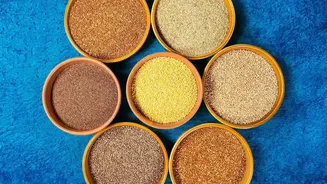
Before we dive into specific millets, it's helpful to know why they differ so much. The primary reasons are their unique nutritional compositions. The type and amount of starch, fibre, and protein in each millet dictate how it absorbs water, its final
texture, and its flavour profile. For instance, a higher fibre content can lead to a denser, heartier feel, while different starches affect whether the cooked grain is fluffy, creamy, or sticky. Even the natural oils in millets contribute to their taste, which is why some, like ragi, have a more distinct, earthy flavour. Think of it like cooking with different types of potatoes; each is suited for a different culinary purpose.
Jowar (Sorghum): The All-Rounder
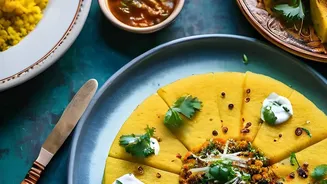
If you're new to millets, Jowar is the perfect place to start. It has a mild, slightly nutty, and almost neutral flavour that doesn't overpower dishes, making it an easy substitute for wheat. This is why Jowar rotis or bhakris are often successful even for beginners; they tend to be softer and more pliable than those made with other millets. The key is to use warm water while kneading the dough, which helps activate its starches for a better texture. Because of its gentle taste, Jowar is incredibly versatile. It works well not just in flatbreads but also in dosas, upma, and even as a boiled grain substitute for rice. It's known for being light on the stomach, making it a gut-friendly option for everyday meals.
Bajra (Pearl Millet): The Hearty Winter Warmer
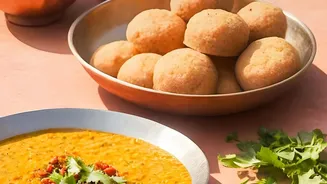
Bajra has a bold, robust, and earthy flavour that is noticeably more pronounced than Jowar's. Traditionally consumed in states like Rajasthan and Gujarat, it's considered a 'warming' grain, making it ideal for winter meals. Its higher iron content and energy-dense nature make it incredibly satisfying and filling. When it comes to cooking, Bajra flour absorbs a lot of water and results in a dense, rustic-textured roti or bhakri. This heartiness pairs beautifully with equally robust dishes like saag, kadhi, or a dollop of ghee and jaggery. Beyond rotis, Bajra is also excellent for making khichdi, where its strong flavour and texture can shine.
Ragi (Finger Millet): The Earthy Calcium Powerhouse
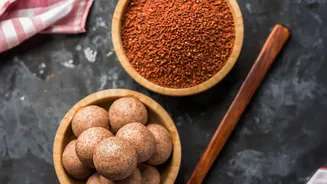
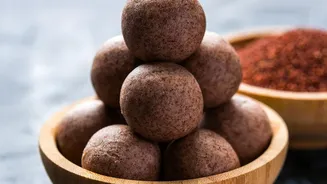
Ragi, with its distinctive reddish-brown hue, has a unique earthy and slightly sweet flavour. It's most famous for its exceptional calcium content, which is significantly higher than that of most other grains. This nutritional profile makes it a popular choice for porridges (kanji), especially for children and older adults. In terms of cooking, Ragi flour creates a denser final product. While pure Ragi rotis can be challenging to master, the flour shines when used for dosas and idlis, where it ferments well and adds a satisfying, earthy note. Lightly roasting the flour before use can enhance its nutty aroma. It's also a star in baking, lending its flavour and nutrition to cookies, cakes, and laddoos.
Smaller Millets: Foxtail, Little, and Kodo
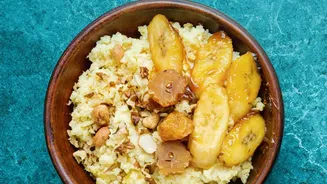
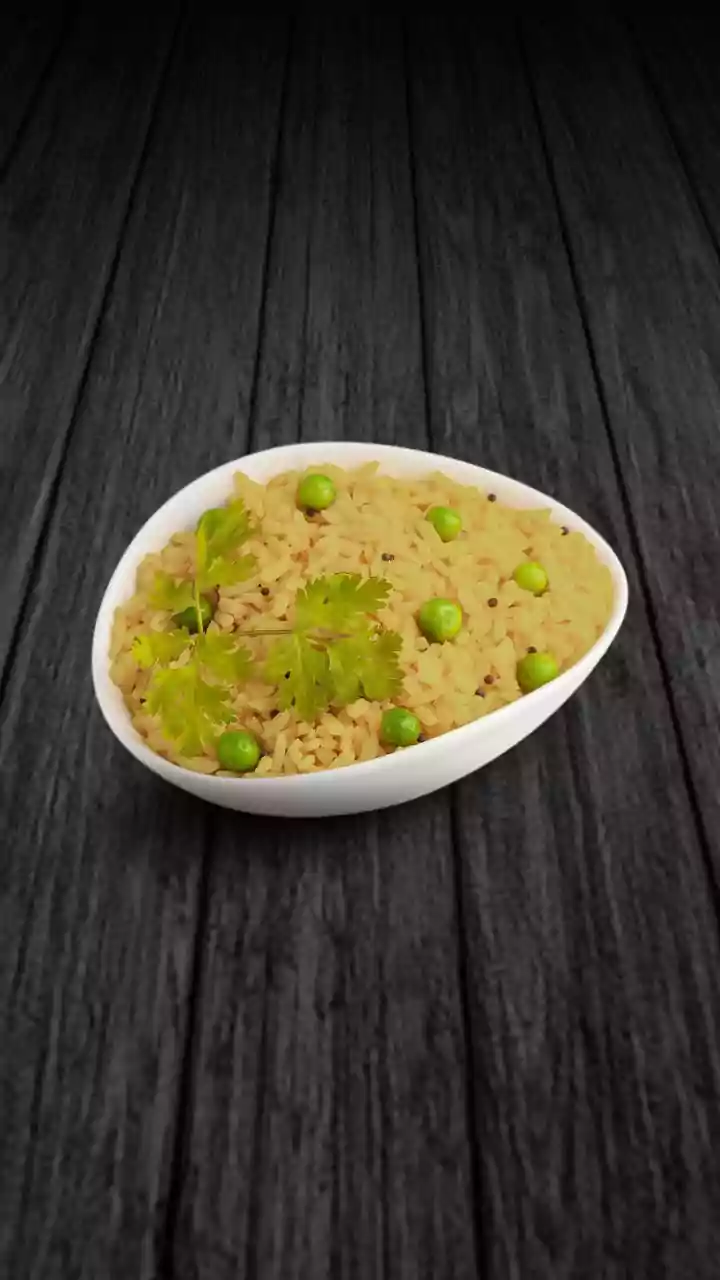
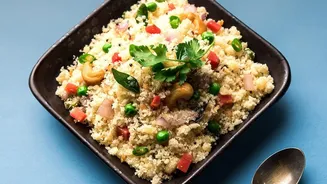
Beyond the big three, there is a world of smaller millets. Foxtail millet (Kangni) is a great, easy substitute for rice in dishes like pulao and upma, cooking up light and fluffy. Little millet (Kutki) cooks very quickly and can be used to make a creamy porridge or khichdi. These smaller grains tend to have a milder taste compared to Bajra or Ragi, making them versatile for a range of dishes. Soaking them for a few hours before cooking is highly recommended, as it reduces cooking time and improves their texture and digestibility. The water-to-grain ratio is key: use a 1:2 ratio for a fluffy, rice-like consistency and a 1:3 or 1:4 ratio for a creamier, porridge-like result.