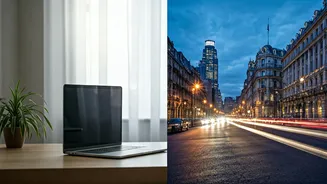










The Great Re-evaluation of Work
Not long ago, the idea of 'flexible work' in India was a novel perk, largely confined to startups and MNCs. For most, the 9-to-5 office grind was an unchangeable reality, complete with traffic-clogged commutes. The pandemic, however, acted as a massive,
unplanned experiment in remote work, forcing companies and employees to adapt overnight. What began as a crisis response has morphed into a profound re-evaluation of our relationship with work. A 2025 survey showed that 52% of Indian employees would be willing to leave a job if it lacked sufficient flexibility, a figure significantly higher than the global average of 31%. This isn't just a trend; it's a structural shift. The debate is no longer about *if* flexible work is possible, but *how* it should be integrated into our lives.
From Perk to Prerequisite
For many, especially Gen Z and millennials, flexibility is now as crucial as salary. A 2025 Randstad survey highlighted that demand for flexible hours is high across all generations in India, as they seek to balance careers with personal commitments like childcare or eldercare. This has transformed flexible hours from a simple perk into a prerequisite for accepting a job. Professionals are no longer just choosing a company; they're choosing a lifestyle. This shift is evident in the rise of 'digital nomads'—professionals who leverage technology to work from anywhere, be it a Goan beach or a Himalayan village like Yakten in Sikkim, which is part of a project to attract remote workers. This growing movement underscores a deeper desire for autonomy and a better work-life balance.
The Ripple Effect on Cities and Society
The move towards flexible work is redrawing India's economic and social map. With geography becoming less of a constraint, companies can now tap into a wider talent pool from Tier-II and Tier-III cities. This has led to a 'reverse migration' of sorts, with skilled professionals choosing to live in their hometowns or areas with a lower cost of living and higher quality of life. This decentralisation is a double-edged sword. While it has the potential to boost local economies outside of the major metros, it also poses challenges for the commercial real estate market in big cities and the informal economies that depend on office-goers. Furthermore, it brings the 'digital divide' into sharp focus, as reliable internet and power are not uniformly available across the country.
The Challenge for Companies: Trust Over Control
This new era of work presents a significant challenge for Indian companies, many of which have cultures built on face-to-face interaction and physical presence. The primary hurdle is shifting from a mindset of monitoring attendance to one that trusts employees and measures outcomes. Companies are experimenting with various hybrid models, from set in-office days to 'core plus flex' strategies. The most successful organisations are those that treat the office as a hub for intentional collaboration and culture-building, rather than a daily obligation. According to a 2024 report, an overwhelming 97% of employees and 98% of employers in India have expressed satisfaction with the hybrid model, suggesting that when designed thoughtfully, it's a win-win. However, challenges like proximity bias, where managers favour employees they see more often, and maintaining a cohesive culture remain significant concerns.
Designing a Life, Not Just a Career
Ultimately, the rise of flexible work is about empowerment. It gives individuals greater control over their most valuable resource: time. This autonomy allows them to invest in personal growth, pursue side hustles, spend more time with family, or simply live a healthier, less stressful life by cutting out punishing commutes. The conversation has evolved from work-life balance to work-life integration, where personal and professional spheres are no longer in conflict but are harmoniously blended. While challenges like blurred boundaries between home and work are real and can lead to burnout, the overall trend is clear. Employees are actively seeking to design a life where their career complements their personal aspirations, rather than dictates them.