






More Than Just a Stretch
Yoga is much more than twisting into complex poses; it's a practice that connects the body, breath, and mind. For teenagers, this connection can be a game-changer. Studies and experts note that regular yoga practice can significantly reduce stress and anxiety,
which are common struggles during adolescence. By combining physical postures with controlled breathing, yoga helps calm the nervous system, providing a natural antidote to the pressures of exams and social life. Furthermore, it improves physical strength, flexibility, and posture—a welcome benefit after long hours spent hunched over books or screens. The practice teaches mindfulness, which directly translates to better concentration in school and an improved ability to manage overwhelming emotions.
Make it Fun, Keep it Real
The key to getting a teenager interested in yoga is to remove the pressure. It doesn't have to be a silent, serious affair. Many find that yoga is more engaging with music, in a class with friends, or even by following a fun online instructor. The goal isn't to achieve the 'perfect' pose but to find what feels good. It's about personal progress, not comparison. Experts suggest that teens are more likely to stick with it if they have a choice in the matter and if the practice feels relevant to them. Starting with just a few minutes a day is more effective than aiming for a long session once a week. Consistency is what builds the mental and physical benefits over time.
A 5-Minute Morning Focus Routine
Start the day clear and centered with this quick sequence. It’s designed to wake up the body and sharpen the mind before school or study sessions. Begin in Mountain Pose (Tadasana), standing tall to ground yourself and improve posture. From there, move gently into Cat-Cow stretches on your hands and knees to warm up the spine. Flow into a Downward-Facing Dog to stretch the entire body and increase blood flow to the brain. Hold each pose for five deep breaths. This simple routine helps establish a sense of stability and alertness for the day ahead.
The Post-Study Unwind
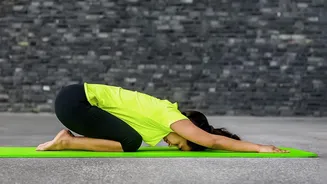
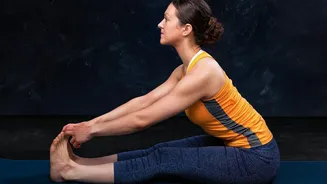
After hours of sitting, the neck, shoulders, and back can feel tight and sore. This routine is designed to release that tension. Start with a simple Seated Forward Bend (Paschimottanasana), which helps calm the brain and stretch the hamstrings and spine. Follow this with a Child's Pose (Balasana), an incredibly effective resting pose that eases stress in the back and shoulders. It provides a moment of quiet retreat, allowing the mind to let go of academic pressures. Another great option is the Pigeon Pose, which is excellent for releasing tight hips. Just a few minutes of these gentle stretches can make a huge difference in physical comfort and mental clarity.
A Calming Pre-Sleep Sequence
A racing mind is often the biggest obstacle to a good night's sleep, something many teens struggle with. This calming sequence signals to your body and mind that it's time to rest. The Legs-Up-The-Wall pose is simple but profoundly relaxing. Just lie on your back with your legs resting vertically against a wall. It helps calm the nervous system and can ease tired legs. Combine this with deep, conscious breathing exercises. For instance, try alternate nostril breathing (Nadishuddi Pranayama), which has been shown to be effective at calming the mind. Ending the day this way helps improve sleep quality, which is crucial for memory and overall well-being.