



The Dangers Hiding in Damaged Bowls
It’s easy to overlook the condition of a pet’s food or water bowl. As long as it holds food, it seems fine. However, scratches, chips, and cracks are more than just cosmetic issues; they pose two significant risks to your pet: bacterial contamination
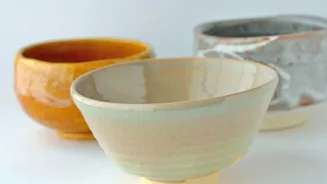
and physical injury. Plastic and ceramic bowls are especially prone to developing these issues over time. Even a tiny crack can compromise the protective glaze on a ceramic bowl, turning it into a porous surface that’s impossible to truly sanitize. These imperfections create the perfect hiding spots for harmful bacteria to multiply, putting your pet at risk with every meal.
A Breeding Ground for Bacteria
Every time your pet eats or drinks, they leave behind saliva and tiny food particles. In a damaged bowl, this residue settles into the cracks and scratches, creating an ideal environment for something called biofilm. Biofilm is the slimy layer you might sometimes feel on the inside of a water dish. It’s a complex colony of microorganisms, including bacteria, fungi, and algae, that sticks to surfaces. This film can harbor dangerous pathogens like Salmonella, E. coli, and MRSA. Because the bacteria are embedded within the biofilm inside these cracks, they are protected from simple washing and can be nearly impossible to remove, leading to potential digestive upset, infections, and other health issues for your pet.
The Risk of Cuts and Ingestion
Beyond bacteria, a damaged bowl presents a direct physical threat. Sharp edges on a chipped ceramic, glass, or even hard plastic bowl can cut your pet’s mouth and tongue as they eat. This can cause pain, bleeding, and a potential reluctance to eat. There is also a risk that your pet could accidentally ingest a small, sharp fragment of ceramic or plastic. These pieces do not dissolve in the digestive tract and can cause serious internal injury or blockages that require veterinary intervention. For this reason alone, any bowl with significant chips or sharp edges should be replaced immediately.
How to Properly Inspect Your Pet's Bowls
Make inspecting your pet’s bowls a weekly habit. It only takes a minute and can prevent serious problems. First, visually check the bowl under good lighting for any hairline cracks or chips, paying close attention to the rim and base. Next, run your fingers along the entire inner and outer surface. Don't just look; feel for any rough patches, deep scratches, or sharp points that your eyes might have missed. This is especially important for plastic bowls, which can develop a network of fine scratches, and for ceramic bowls, where a once-smooth glaze can become compromised. If you find any damage, it's time to replace the bowl.
Choosing the Safest Bowl Material
When it's time for a new bowl, the material matters. Veterinarians often recommend high-quality, food-grade stainless steel as the safest choice. It is non-porous, durable, rust-resistant, and less likely to scratch compared to other materials. This makes it much easier to clean and sanitize effectively. Glass bowls are another good non-porous option, but they are breakable, which poses its own risks. If you prefer ceramic, ensure it is made with a lead-free, food-grade glaze and inspect it frequently for chips or cracks, replacing it at the first sign of damage. While plastic bowls are inexpensive, they scratch easily and can harbor bacteria, making them a less ideal choice for long-term use.