






From National Anthems to Regional Melodies
For decades, festive marketing in India followed a predictable script: a national campaign celebrating a pan-Indian version of Diwali or another major festival. The ads featured familiar tropes of family togetherness, lights, and sweets, designed to appeal
to everyone at once. But in a country with dozens of distinct cultural markets, this broad approach is losing its edge. Today, savvy food and beverage companies are realising that what works in Uttar Pradesh might not resonate as strongly in Maharashtra. The new strategy isn't just about translating a Hindi tagline into Marathi; it's about building a campaign from the ground up with a deep understanding of local culture, values, and traditions. This shift from a national to a regional playbook is one of the most significant transformations in Indian marketing.
The Power of Cultural Connection
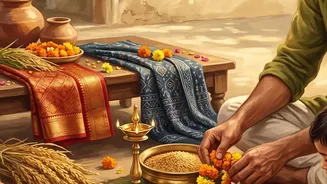
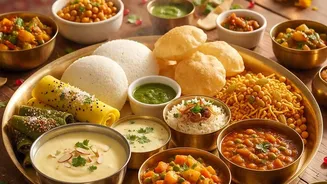
At its heart, this trend is about connection. Brands that 'get' Maharashtrian culture—its nuances, festivals, and culinary pride—forge a much stronger bond with consumers. Tata Tea Premium’s campaign, for instance, paid homage to the 'Sarv Guni' (multi-faceted) nature of Marathi women, celebrating their ability to balance tradition with modernity. This wasn't just a tea ad; it was a reflection of regional identity. Similarly, festive campaigns during Ganesh Chaturthi that tap into the deep, local emotions of the celebration see a significant jump in engagement. By referencing specific cultural touchstones, whether it's the preparation of traditional 'faral' for Diwali, the significance of a Paithani saree, or the specific ingredients in a Malvani masala, brands show that they see and respect the local context. This builds a level of trust and relatability that generic advertising simply cannot achieve.
Authenticity as the New Premium
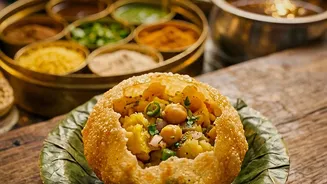
In a crowded marketplace where consumers are bombarded with choices, 'authenticity' has become a powerful differentiator. When a brand highlights its Maharashtrian roots, it’s not just selling a product; it’s selling a story, a sense of place, and a connection to heritage. Brands like Aazol have built their entire model on this, sourcing traditional food products from women-led self-help groups across Maharashtra and bringing them to a wider market. Their marketing isn’t just about the food itself, but about the people who make it and the traditions they uphold. This focus on craftsmanship, historical roots, and specific locations makes a product feel more genuine and trustworthy. It transforms an everyday item, like a spice mix or a snack, into a premium experience rooted in cultural memory.
A Smart Bet on a Massive Market
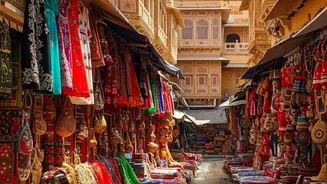
Beyond the cultural appeal, this strategy is also driven by sound business logic. Maharashtra is one of India's largest and most economically significant states. The spending power here, especially during the festive season, is immense. Furthermore, with Tier 2 and Tier 3 cities now accounting for a majority of festive shoppers in India, brands can no longer afford to focus only on metro sensibilities. Regional audiences in these areas often have less exposure to ad saturation and place a higher value on trust and relatability, making them highly responsive to culturally attuned marketing. Targeting this demographic directly with content in their own language and reflecting their own lives is simply a more efficient way to drive sales and build lasting loyalty.