

The Post-Monsoon Problem for Pups
The high humidity that follows the Indian monsoon is a major concern for canine health. When a dog's coat remains damp, it traps moisture against the skin, creating a warm, humid micro-environment. This is the ideal breeding ground for bacteria and fungi
that are normally present on the skin to multiply out of control. This can lead to a host of uncomfortable and painful skin conditions. One of the most common issues is acute moist dermatitis, also known as 'hot spots'. These are red, inflamed, and oozing sores that can appear suddenly and spread rapidly. Fungal infections, particularly from yeast like Malassezia, also thrive in these conditions, causing intense itching, a musty odour, and greasy skin. Bacterial infections, or pyoderma, are another frequent problem, resulting from microscopic breaks in the skin caused by scratching.
The Art of a Thorough Dry-Down
The single most important preventive measure is to ensure your dog is dried completely after every single exposure to moisture, whether from a late-season shower, a wet walk, or a bath. Air-drying is not an option during humid weather, as the coat simply cannot dry properly and will trap moisture against the skin. Start with a highly absorbent microfiber towel. Instead of rubbing vigorously, which can cause tangles and irritate the skin, use a patting or pressing motion to soak up excess water. For dogs with thick or double coats, a towel alone is insufficient. You will need to use a blow dryer specifically designed for pets, or a human hair dryer on its lowest heat and speed setting. The goal is to use airflow, not heat, to dry the coat. Keep the dryer moving constantly and at least a dozen inches from your dog's skin to prevent burns, and pay special attention to the undercoat until it is dry to the root.
Grooming is Not Just for Looks
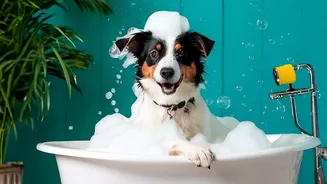
Regular grooming becomes even more critical in the post-monsoon period. Daily brushing is essential, especially for long-haired breeds. Brushing helps to remove loose fur, dirt, and debris that can trap moisture. It also prevents the formation of mats, which act like sponges, holding dampness tight against the skin and creating a perfect environment for infections. A good brushing routine also helps to distribute the skin's natural oils, which support a healthy barrier. If you have a professional groomer, consider scheduling a 'monsoon-end' session. They can give your dog a thorough a bath with an antifungal shampoo, ensure they are completely dried, and trim fur in problem areas to improve air circulation.
Don't Forget the Nooks and Crannies
Certain areas of a dog's body are more susceptible to moisture-related problems and need extra attention. Paw hygiene is paramount. The spaces between the toes and paw pads can trap a lot of mud and moisture from wet ground, leading to painful yeast infections. Always wipe and dry paws thoroughly after a walk, making sure to get between each toe. Ears are another hotspot for infections, particularly in floppy-eared breeds, because the ear canal traps heat and humidity. Skin folds—common in breeds like Pugs and Bulldogs—must be gently wiped and dried daily to prevent irritation and infection. Other key areas to check and dry are the armpits, groin, and under the collar.
When to Call the Veterinarian
While good hygiene can prevent many problems, it is crucial to recognize the signs that a skin issue requires professional medical attention. Do not wait for the problem to escalate. Consult your veterinarian if you notice persistent scratching, licking, or chewing of a specific area; red, inflamed, or scaly patches on the skin; hair loss or bald spots; open sores, crusts, or any kind of discharge; or a foul, musty odour that persists even after bathing. These can all be signs of an infection that may require medicated shampoos, topical treatments, or oral medications to resolve. Early intervention is key to preventing a minor irritation from becoming a major, painful infection that is more difficult and expensive to treat.