

Why Your Knife Skills Matter
The way a vegetable is cut dramatically impacts its final texture and flavour. A large, rustic chunk of carrot in a slow-cooked stew will become soft and sweet, while the same carrot, when julienned into fine matchsticks, provides a crisp, fresh crunch
in a salad. Uniformity is also key; cutting vegetables to a consistent size ensures they cook evenly, preventing some pieces from turning to mush while others remain unpleasantly raw. A fine dice allows vegetables like onions and garlic to melt into a sauce, releasing their flavour throughout the dish, whereas a larger slice holds its shape and provides a more distinct bite. Mastering a few basic cuts is the first step toward transforming your everyday vegetable dishes from mundane to magnificent.
A Cut Above the Rest
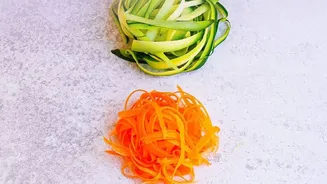
You don't need to be a professional chef to expand your cutting repertoire. A few key techniques can make a world of difference. The 'dice' creates small, even cubes perfect for soups, stir-fries, and salsas where you want consistent texture. For salads, garnishes, and quick-cooking dishes like Pad Thai, the 'julienne' or matchstick cut offers an elegant and delicate texture. Simple 'slicing' creates flat pieces ideal for gratins, sandwiches, or quick pan-frying. For heartier dishes like roasts and stews, a larger, more irregular 'chop' is perfectly suitable, as the pieces will cook down over a longer period. A crucial safety tip for any cut is to first create a flat, stable surface on round vegetables to prevent them from rolling on the cutting board.
Finding the Right Heat
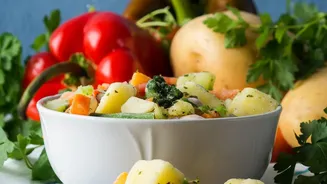
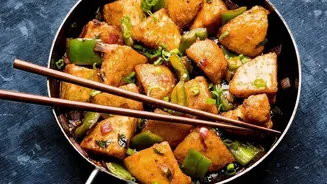
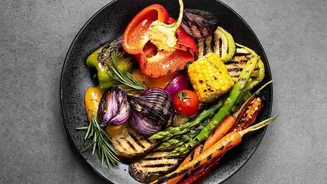
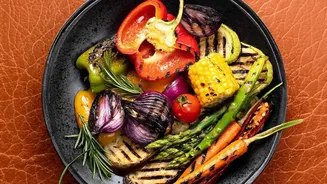
Just as important as the cut is the cooking method. Each technique interacts with the vegetable differently, altering its nutritional profile, taste, and texture. Roasting, a dry-heat method, caramelises the natural sugars in vegetables, deepening their flavour and creating a result that is both sweet and savoury. It works wonderfully for root vegetables like potatoes, carrots, and beetroot. Steaming is one of the best methods for nutrient retention, as it cooks vegetables gently without submerging them in water, which can leach out water-soluble vitamins. It leaves vegetables like broccoli and green beans tender yet crisp. Stir-frying uses high heat for a short duration, preserving the crunch and colour of vegetables like bell peppers and cabbage while requiring minimal oil. Finally, boiling, while often criticised for nutrient loss, can be effective for soups and curries where the cooking liquid is consumed, ensuring you still get the vitamins that have migrated into the broth.
The Art of the Perfect Pairing
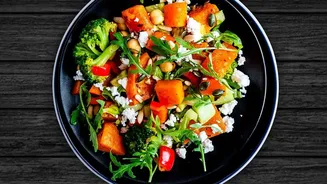
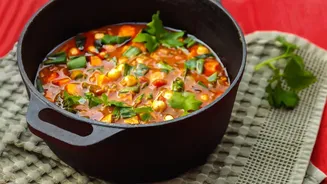
The magic happens when you pair the right cut with the right cooking method. For roasting, larger chunks are ideal because they can withstand the longer cooking time without breaking down, developing a crispy exterior and a tender inside. Think of large cubes of pumpkin or thick batons of sweet potato. For a quick stir-fry, smaller cuts are essential. Thinly sliced bell peppers or julienned carrots cook through rapidly at high heat, retaining a pleasant crunch. Steaming is versatile; florets of cauliflower and broccoli hold their shape well, while sliced carrots become tender quickly. When making a mixed vegetable curry or sambar, a medium dice ensures that all the different vegetables—from beans and carrots to potatoes—cook to a similar tenderness at roughly the same time. The goal is to let the cut serve the cooking style, enhancing the final dish.
Putting It All Together Seasonally
Let's apply this to a seasonal favourite in India, like cauliflower (gobi). During the winter months when it is abundant, you can avoid fatigue by varying your prep. One night, cut it into large florets, toss with spices, and roast until the edges are browned and crispy for a delicious side dish. A few days later, grate the cauliflower to make gobi parathas or even cauliflower rice. For a classic Aloo Gobi, cut it into medium-sized florets that will hold their shape when pan-fried with potatoes. You could also dice it very finely to become part of a vegetable korma, where it will soften and blend into the creamy sauce. By simply changing the cut and cooking method, one vegetable can provide a week's worth of distinct and interesting meals, making seasonal eating a truly enjoyable and creative process.