




More Than Just a Beer Festival
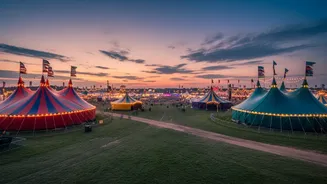
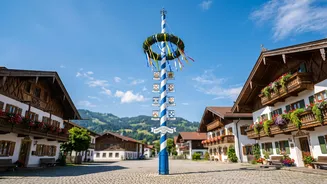
First, let's clear up a common misconception: Oktoberfest is not just a massive party centered around drinking. Known to locals as the 'Wiesn', it is the world's largest folk festival, a 16-day celebration of Bavarian heritage that began as a royal wedding
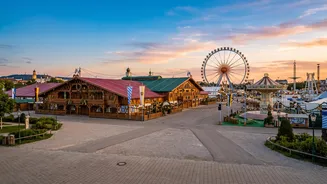
celebration in 1810. While beer is certainly a highlight, the festival grounds, called the Theresienwiese, are packed with massive funfair rides, traditional parades, live brass bands, and a festive atmosphere that rivals any large Indian mela. Entry to the festival grounds and the main tents is completely free, allowing you to soak in the atmosphere without spending a single Euro. For 2026, the festival runs from September 19 to October 4, offering a generous window for planning your visit.
A Taste of Bavaria for Every Palate
Food is a major highlight of any holiday, and for many Indian tourists, especially vegetarians, navigating European menus can be a concern. Fortunately, Oktoberfest has evolved significantly and now offers a surprisingly wide array of vegetarian and even vegan dishes. Every large tent is required to offer meat-free options. Look for classics like 'Käsespätzle', a delicious German version of mac and cheese, giant pretzels ('Wiesn Brezn'), savory sauerkraut strudels, and various kinds of dumplings ('Knödel'). Small stalls also sell potato pancakes, roasted almonds, and other snacks. While you'll smell the traditional roasted chicken and pork, you won't go hungry. You can find everything from hearty mushroom-and-cream-sauce dishes to light salads, ensuring there’s something to satisfy every craving.
Navigating the Festival Tents
The heart of the social action happens inside the 14 large and numerous smaller beer tents, each run by a different Munich brewery and with its own unique character. A crucial tip for first-timers: you can only be served if you are seated. On weekdays, finding unreserved seats is manageable, especially if you arrive before the evening rush. Weekends are extremely crowded, and getting a spot without a reservation can be difficult. Reservations are free but require pre-purchasing food and drink vouchers for a whole table (usually 8-10 people) months in advance. If you're in a smaller group, your best bet is to target a tent early, find a spot in the unreserved sections, and settle in.
Planning Your Budget
While entry is free, a day at Oktoberfest can be expensive if you don't plan. The biggest cost is accommodation, with hotel prices in Munich tripling or quadrupling during the festival. Booking your stay many months in advance is critical. A one-litre mug of beer, known as a 'Maß', will cost between €14.80 and €15.90 in 2026. A main course inside a tent can range from €15 to €25. A realistic daily budget inside the festival grounds for food, two beers, and perhaps a ride would be around €70 to €100 per person. To save money, consider staying in a nearby town like Augsburg and taking a short train ride into Munich. Also, mixing tent meals with food from cheaper stalls outside can help manage costs.
Dressing the Part and Other Tips
Part of the fun is embracing the culture, which includes the traditional attire. Many attendees, locals and tourists alike, dress up in 'Dirndls' for women and 'Lederhosen' for men. While it's not mandatory, participating can enhance the experience. You can buy outfits in Munich, but they can be a pricey investment. Smart casual wear is perfectly acceptable if you prefer not to dress up. A key tip for Indian travellers is to plan your visa well in advance. Germany is part of the Schengen Area, so a Schengen visa is required. Public transport in Munich is excellent, so use the U-Bahn (metro) to get to the Theresienwiese festival grounds. Carry cash, as not all stalls or even servers in the busy tents will readily accept cards.
Beyond the Festival: Exploring Munich
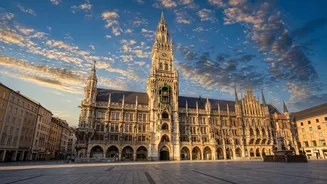
Your trip doesn't have to be limited to the festival grounds. Munich is a beautiful city with a rich history and plenty to explore. Take a walk through the central square, Marienplatz, to see the stunning Neues Rathaus (New Town Hall). Explore the vast English Garden (Englischer Garten), one of the world's largest urban parks, where you can even watch surfers on a man-made river wave. For a dose of history and culture, visit the Deutsches Museum, a world-class science and technology museum, or the city's famous cathedrals. Many travellers also use Munich as a base for day trips to fairytale castles like Neuschwanstein or to see the breathtaking Bavarian Alps.