



Understanding Parana: More Than Just a Meal
Parana is the ceremonial breaking of a fast in Hindu tradition. It is considered just as important as the fast itself, as its timing and method are key to reaping the spiritual benefits of the observance. The word itself, rooted in Sanskrit, signifies
the completion of a 'vrat' or austerity. For Janmashtami, Parana isn't simply about eating after a long day of abstinence; it's a mindful transition from a state of fasting and prayer back to normalcy, done with gratitude and adherence to specific guidelines. The rules are similar to those followed for Ekadashi fasting, which many devotees are familiar with.
When to Break the Fast: The Critical Timing
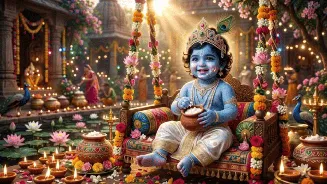
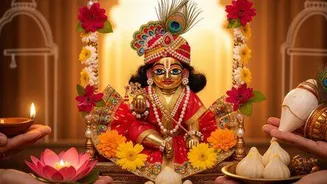
One of the most discussed aspects of the Janmashtami fast is the exact time to break it. There are two primary schools of thought that families and communities follow. A widespread practice is to break the fast after the midnight puja, known as the Nishita Kaal puja. This is the period when Lord Krishna is believed to have been born. After the midnight aarti and offering of bhog, many devotees consume the prasad to break their fast. The second, more traditional and scripturally-prescribed method, is to perform Parana the next morning after sunrise. This is done after the Ashtami Tithi (the eighth lunar day) and the Rohini Nakshatra (the star constellation at the time of Krishna's birth) have concluded. If these celestial timings extend late into the next day, devotees may break the fast when either one has passed. It's always advisable to consult a local panchang or follow your family's established tradition.
The First Bite: Traditional Foods for Parana
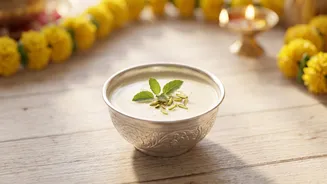
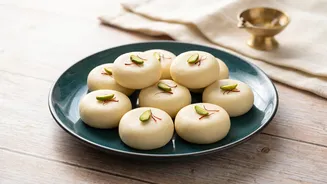
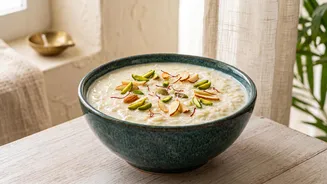
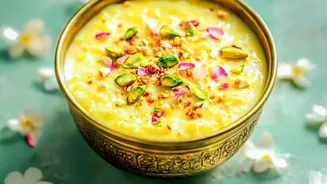
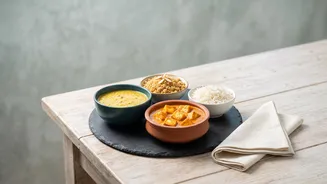
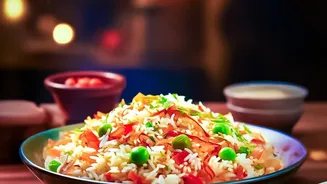
Breaking a fast should be a gentle process for the body. The first item consumed is almost always the prasad offered to Lord Krishna. This typically includes Panchamrit, a sacred mix of five nectars: milk, curd, ghee, honey, and sugar. A small spoonful of this is consumed first. Following this, light and sattvic (pure) foods are recommended. Fruits, milk, or dishes like sabudana kheer are ideal. Heavy, oily, or tamasic foods like onions and garlic are to be avoided. Many households prepare special grain-free dishes for the fast, such as those made from buckwheat flour (kuttu ka atta), water chestnut flour (singhara ka atta), or amaranth. These can be eaten after initially breaking the fast with lighter items. Dhaniya Panjiri, a unique prasad made from roasted coriander seed powder, ghee, and nuts, is specifically associated with Janmashtami and can be consumed during Parana.
Practices in Vaishnava and ISKCON Traditions
Followers of Vaishnavism, including the ISKCON community, often adhere to stricter fasting rules. The fast is typically observed until the next day's sunrise, and Parana is performed only after both Ashtami Tithi and Rohini Nakshatra have ended. ISKCON devotees often observe a complete fast (Nirjala) or a fast with only water. For those who cannot, a fast with fruit and milk is also an option. The fast is broken after the morning arati on the following day with non-grain prasadam. The emphasis is on completing the fast according to the prescribed astrological timings to ensure the full spiritual merit of the vrat is received. These practices underscore a deep commitment to the scriptural details of the observance.
Family and Regional Variations
Beyond the major traditions, countless family and regional customs influence how the Janmashtami fast is broken. The type of fast itself—be it a strict Nirjala fast without water, or a more lenient Phalahar fast with fruits and milk—often dictates the Parana. Some families have a tradition of eating a specific vegetable or dish to break the fast, passed down through generations. The flexibility in modern practice acknowledges that devotion is personal. Many working individuals or those with health considerations opt to break the fast after the midnight puja, a practice that is widely accepted even if it differs from the strictest interpretations. The key is to conclude the day of devotion with a sense of gratitude and respect for the tradition you follow.