



A Fundamental Shift in Travel Mindset
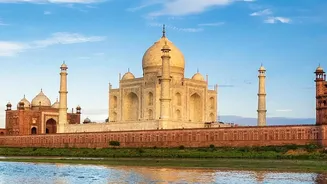
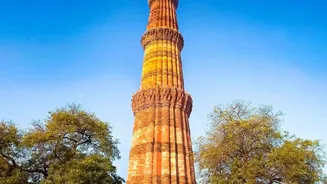
For decades, Indian tourism followed a predictable script: the Golden Triangle, the beaches of Goa, the backwaters of Kerala. But a significant change is underway. Today’s travellers, particularly the expanding middle class, are increasingly seeking experiences
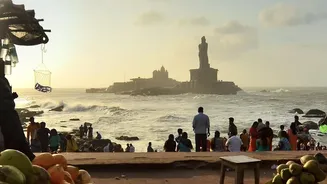
over mere sightseeing. This shift, accelerated by the post-pandemic craving for open spaces and less crowded destinations, has sparked a nationwide trend of 'second-city travel'. Travellers are consciously avoiding overrun tourist hubs in favour of exploring India's lesser-known towns, villages, and rural pockets. This isn't just about escaping crowds; it's about a deeper desire for authenticity, cultural immersion, and meaningful connections with local communities. The focus is no longer on ticking boxes but on slowing down and soaking in the rhythm of a place.
Government Initiatives as a Powerful Catalyst
This grassroots movement is being powerfully supported by top-down government policy. Initiatives like 'Dekho Apna Desh' have been instrumental in encouraging citizens to explore their own country, successfully boosting domestic tourism which now accounts for the vast majority of the sector's spending. The campaign, which started in 2020, uses digital webinars and social media to showcase diverse segments like heritage, spiritual, and eco-tourism, effectively creating interest in destinations beyond the traditional circuit. More recently, the government launched the 'National Mission for Alternative Destinations' under Dekho Apna Desh 2.0, which specifically aims to develop lesser-known, tourism-ready locations and distribute visitor traffic more evenly. This is complemented by massive infrastructure upgrades, including the expansion of the UDAN scheme to build small airports and helipads in remote areas and the development of national highways, making these once-inaccessible locations reachable for the average traveller.
The Rise of Authentic Rural Experiences
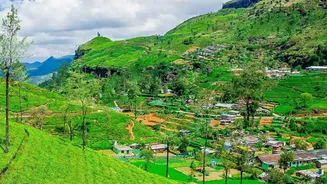
The result is a boom in rural and experiential tourism. This form of travel goes beyond scenic views, inviting visitors to actively participate in the local way of life. Think farm stays where tourists learn about traditional agricultural practices, homestays that offer a taste of local cuisine and culture, and artisan workshops where one can observe ancient crafts firsthand. These experiences are not just enriching for the traveller; they provide a vital, direct source of income for rural communities, including farmers, artisans, and local guides. This model creates a sustainable economic loop, generating employment for youth and women and helping to reduce migration from villages to overburdened cities. States are actively creating new offbeat destinations to manage tourist flow, ensuring that even as popularity grows, the experience remains intimate and safe.
Spotlight on Emerging Destinations
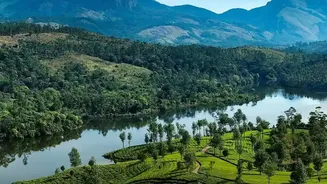
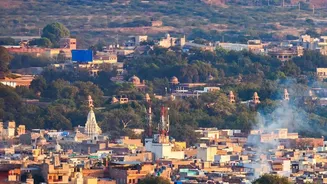
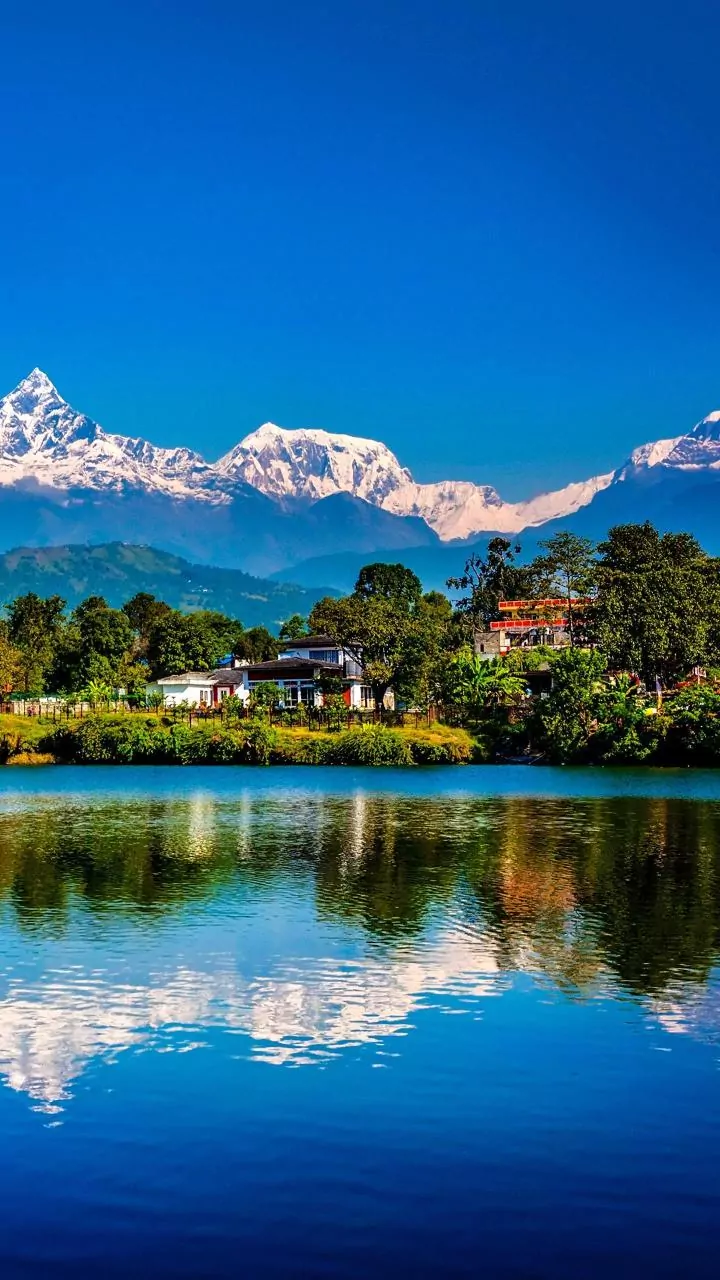
Across the country, new destinations are entering the tourism lexicon. States like Uttarakhand and Himachal Pradesh are seeing increased interest in their remote Himalayan villages. The 'Swadesh Darshan' scheme is developing theme-based circuits, such as Buddhist trails and coastal routes, bringing focused development to specific regions. Even well-established states are promoting new areas; instead of just the main cities, tourists are exploring heritage villages in Rajasthan or focused regional circuits in Central Kerala. This dispersal is critical. While domestic tourism has seen incredible growth, with over 400 crore visits recorded in 2024, a persistent challenge is the concentration of visitors in a few states. The current strategy aims to correct this imbalance, fostering more balanced regional development.
Sustainability: The Challenge Ahead
This expansion, however, is not without its challenges. The primary concern is ensuring that these newly popular destinations do not suffer the same fate as their predecessors—overcrowding, environmental strain, and loss of authenticity. Sustainable and responsible development is key. The government's policy focus is shifting from pure promotion to control, safety, and sustainability, with measures like carrying capacity rules for ecologically sensitive areas and stricter licensing for tour operators. For rural tourism to succeed in the long term, significant hurdles remain, including the need for better last-mile infrastructure, access to financial resources for small operators, and skilled manpower trained in hospitality. The goal is growth without overload, ensuring that tourism remains a force for good for both visitors and host communities.