
A Tale of Two Malnutritions
The central finding of the 2026 UN Nutrition Report is the confirmation of a worrying global trend that is particularly acute in India: the 'double burden of malnutrition'. This refers to the paradoxical situation where undernutrition, like stunting in children,
exists alongside a rapid increase in overnutrition, such as obesity and diet-related diseases in adults. While India has made significant strides in reducing hunger, the report highlights that the battle for nutrition is far from over. For instance, while stunting among children under five has seen a welcome decrease, the prevalence of overweight adults has doubled in a decade, with some data suggesting nearly one in three women are now overweight or obese. This isn't just about two separate problems; often, these issues are found in the same communities and even the same households, pointing to a systemic issue in our food systems.
The Hero in Plain Sight: Everyday Staples
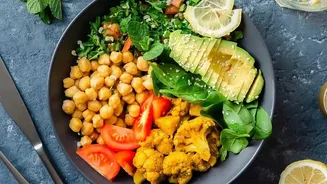
In the face of this complex challenge, the report shifts focus away from exotic 'superfoods' and toward the heroes hidden in plain sight: our everyday staples. For generations, the Indian diet has been built on a foundation of rice, wheat, millets, and a vast array of pulses and legumes. These are not just fillers; they are nutritional powerhouses. A traditional Indian thali, with its combination of a staple grain, dal (lentils), sabzi (vegetables), and perhaps some curd, is a masterclass in balanced nutrition. The report underscores that the answer to our nutritional woes is not to abandon these staples but to embrace them in their whole, unprocessed forms. The problem arises when refined grains replace whole ones and highly processed foods edge out traditional, home-cooked meals.
India's Shifting Plate and its Consequences
The double burden of malnutrition in India can be traced directly to a national dietary transition. As incomes have risen and urbanisation has accelerated, diets have shifted. There is an increasing reliance on energy-dense, nutrient-poor processed foods that are high in fat, sugar, and salt. While hunger, in terms of calorie intake, has decreased, nutritional quality has often not improved with it. The report notes that this shift is a key driver of the rise in non-communicable diseases (NCDs) like diabetes and hypertension, which are now rampant in the country. Recent studies show that even in rural areas, the prevalence of being overweight is rising rapidly. The issue is no longer just about ensuring food security but achieving nutrition security—making sure every citizen has access to a diet that promotes long-term health, not just survival.
Beyond Rice and Wheat: The Millet Movement
While rice and wheat are the dominant staples in many parts of India, the UN report implicitly calls for greater dietary diversity, a message that aligns perfectly with India's own policy push. The renewed focus on millets, such as jowar, bajra, and ragi, is a prime example. These ancient grains are not only more resilient to climate change but are also nutritionally superior to refined rice and wheat, boasting higher levels of protein, fibre, and essential micronutrients. Incorporating a wider variety of staples—including different pulses, legumes, and local, seasonal vegetables—is crucial. This diversity is key to breaking the cycle of malnutrition, providing the wide spectrum of nutrients needed for healthy growth in children and the prevention of chronic diseases in adults.
The Affordability Crisis
A critical barrier identified in the report is the rising cost of a healthy diet. While India has successfully made basic calories affordable for hundreds of millions through its Public Distribution System, nutritional quality comes at a premium. According to recent UN data, over 500 million Indians—more than one in three citizens—cannot afford a nutritionally adequate diet. The cost of a healthy diet in India has reportedly climbed significantly in recent years. The report reveals that nutrient-dense foods like fruits, vegetables, and animal proteins account for the majority of the cost of a healthy diet, making them inaccessible for the poor. This economic reality forces many to rely on cheaper, calorie-dense but nutrient-poor staples, perpetuating the cycle of malnutrition.