
The Humid Dry Dilemma on Balconies
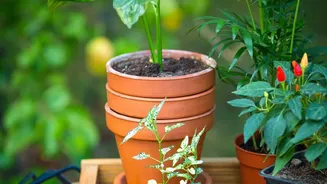
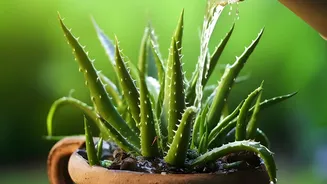
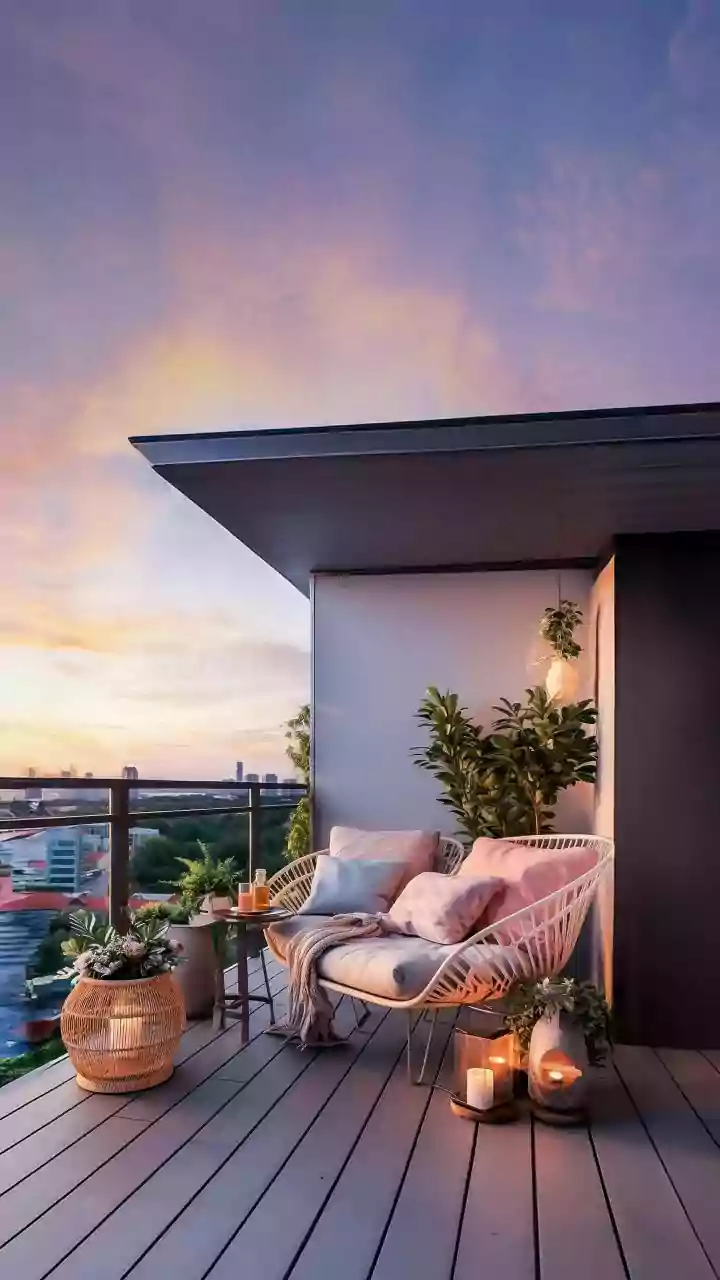
A humid day doesn't always mean your plants are hydrated, especially in containers. Balconies create unique microclimates where the air is moist, but the limited soil volume in pots can dry out rapidly due to wind and heat radiated from the building.
This creates a confusing "humid dry" period. Gardeners might see moist air and assume watering isn't needed, but beneath the surface, the roots are stressed and becoming dehydrated. This can lead to a vicious cycle: you notice the wilted plant and overcompensate with too much water, which then sits in the pot, risking root rot. It’s a constant battle between drought and waterlogging that many container gardeners know all too well.
Ancient Wisdom: What is an Olla?
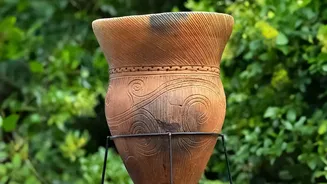
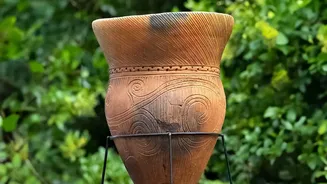
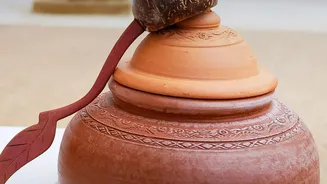
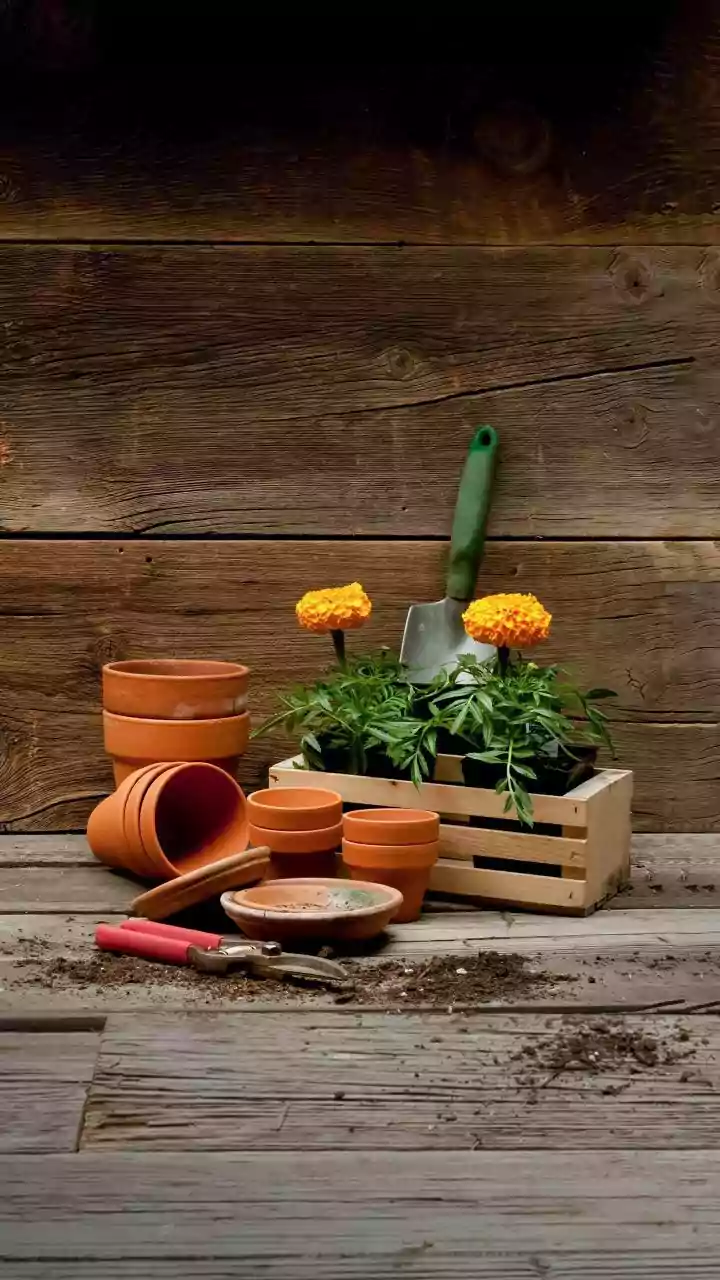
An olla (pronounced 'oy-yah') is simply an unglazed, porous terracotta pot used for irrigation. This technique is far from new; it's an ancient method that has been used for thousands of years in arid regions across the world, from North Africa to China. The principle is brilliantly simple: the olla is buried in the soil with only its neck protruding, then filled with water. Because the clay is unglazed, it remains porous, allowing water to seep out slowly and directly into the soil. This ancient tool is now finding a powerful new purpose in modern balcony gardens.
The Science of Self-Regulating Irrigation
Ollas don't just leak water; they release it on demand through a process driven by soil moisture tension. The porous clay walls act as a membrane between the water inside the pot and the surrounding soil. When the soil is dry, the tension is high, and water is actively pulled from the olla into the soil. As plant roots absorb this moisture, the olla continues to supply it. Conversely, if the soil is already moist after a rain, the tension is low, and the water stays inside the pot. This creates an ingenious self-regulating system. The plant gets exactly the amount of water it needs, precisely when it needs it, preventing the stress that comes from extreme wet and dry cycles.
Why Ollas Excel in Containers
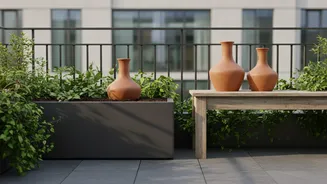
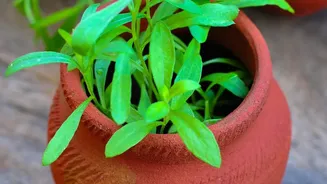
While effective in any garden, ollas are particularly suited to the challenges of container gardening. By delivering water directly to the root zone, they virtually eliminate water loss from surface evaporation and runoff—a major issue for pots exposed to sun and wind. This subsurface watering also keeps the top layer of soil relatively dry, which can help discourage weed growth and certain pests that thrive in damp surface conditions. Furthermore, keeping foliage dry is crucial in humid weather to prevent the development of fungal diseases. For a single container, one olla placed in the center is usually sufficient to ensure even moisture distribution.
Building Stronger, More Resilient Roots
One of the most significant benefits of olla irrigation is its effect on root development. Top-watering encourages roots to stay near the surface, where they are vulnerable to drying out quickly. In contrast, the consistent, deep moisture provided by an olla encourages plants to grow deeper, more extensive root systems. These dense root mats wrap around the olla, able to draw water efficiently whenever needed. A plant with a strong, deep root system is naturally more resilient and better equipped to handle the environmental stresses of a balcony, from a sudden heatwave to a missed watering day. This leads to healthier, more productive plants overall.