





The Dream of a Pothole-Free Commute
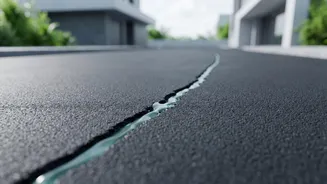
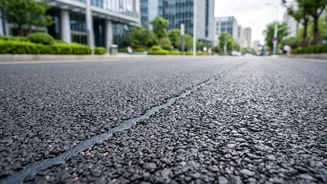
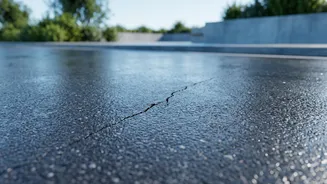
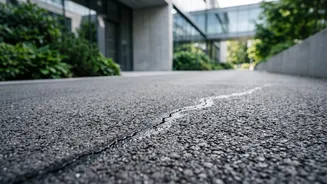
Potholes are more than just an annoyance; they are a costly and dangerous problem. They form when water seeps into small cracks in the road surface. The constant pressure from traffic combines with this water to weaken the underlying layers, eventually
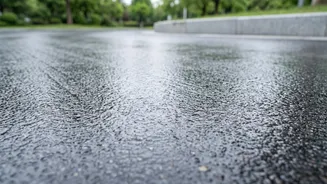
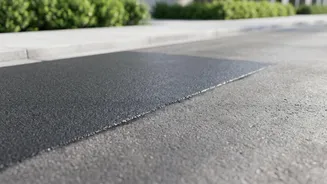
causing the surface to collapse and form a pothole. This is especially true during heavy rains, which accelerate the damage. Self-healing asphalt tackles this issue at its source by repairing these tiny cracks before they can grow into major problems. The core idea is to embed special agents within the asphalt mixture that can automatically, or with a little help, repair damage and extend the road's lifespan. This preventative approach could drastically reduce the need for constant, disruptive, and expensive patchwork repairs that plague our cities.
The Science Behind the Magic
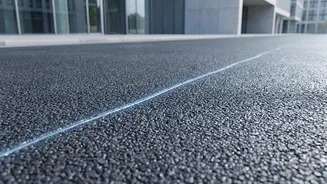
There isn't just one method for making asphalt heal itself; researchers are exploring several ingenious techniques. One of the most prominent, pioneered at Delft University of Technology, involves mixing tiny steel fibres into the asphalt. When microcracks appear, a special induction heating machine is passed over the road's surface. This creates a magnetic field that heats the steel fibres, which in turn melts the surrounding bitumen (the 'glue' in asphalt). The melted bitumen flows into the microcracks, sealing them shut as it cools. The road is effectively reset to a stronger state. Another popular method uses tiny microcapsules filled with a rejuvenating agent, such as sunflower oil. When a crack forms, it breaks open the capsules, releasing the oil. This oil softens the aged, brittle bitumen around the crack, allowing it to fuse back together and heal the damage autonomously.
From Lab to the Real World
This technology is no longer confined to the laboratory. The Netherlands has been a leader in real-world testing, with several stretches of public highway paved with self-healing asphalt since 2010. On a section of the A58 motorway, tests have shown that periodic induction heating can potentially double the lifespan of the road surface, from a typical ten years to twenty or more. While the initial cost of installing self-healing asphalt is estimated to be about 25% higher than traditional asphalt, the long-term savings are significant. By drastically reducing the need for maintenance, it promises lower overall costs, fewer traffic disruptions, and enhanced road safety. Studies suggest this technology can cut down on maintenance needs by 30% or more, leading to massive savings in municipal budgets over the life of the road.
What This Means for India's Roads
For a country like India, where heavy monsoon rains and high traffic loads create a perfect storm for road degradation, the potential is enormous. Potholes are a major cause of accidents, vehicle damage, and logistical delays. Recognizing this, the National Highways Authority of India (NHAI) is exploring the feasibility of using self-healing asphalt. Research institutions like IIT-Madras are also experimenting with versions of this technology tailored for India's specific climate and traffic conditions. Adopting materials that can withstand our intense monsoons and heal the inevitable wear and tear could revolutionise our infrastructure. It aligns perfectly with national missions focused on building not just more roads, but more resilient, sustainable, and smarter ones. The ability to prevent potholes before they form would be a game-changer for urban mobility and public safety.