






The Kitchen: The Heart and Wallet of the Home
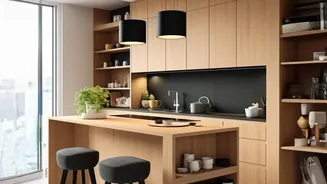
The kitchen is often called the heart of the home, but it's also one of the most expensive areas to repair or renovate. During your site visit, look beyond the stylish countertops and modern cabinets. Start with the plumbing. Turn on the taps to check
the water pressure and look for any leaks under the sink. Open and close all cabinet doors and drawers to ensure they are aligned and function smoothly. If appliances are included, test them to see if they are in working order. Pay close attention to ventilation; a good chimney or exhaust fan is crucial, especially in Indian cooking, to prevent grime and odours from building up. Also, check for an adequate number of electrical outlets in convenient locations, as this is a common oversight that can be frustrating later. The quality of workmanship in the kitchen is a strong indicator of the entire property's build quality.
The Bathroom: A Zone of Potential Hidden Dangers
Bathrooms are high-moisture environments, making them hotspots for hidden issues like leaks, mould, and structural damage. A thorough inspection here is non-negotiable. Begin by checking for any signs of water damage on the walls and ceiling, such as peeling paint or discoloured patches. Flush every toilet and run all the faucets and showers to test for both adequate water pressure and proper drainage. Look closely at the grout and sealing around tiles; gaps can allow moisture to seep into the walls, leading to expensive long-term problems. Proper ventilation is just as critical here as in the kitchen. Test the exhaust fan to ensure it is functional and effectively removes moist air. Finally, for safety, confirm that electrical outlets are GFCI (Ground Fault Circuit Interrupter) protected to prevent shocks in a wet environment.
Utility Areas: The Unseen Command Centre
The utility area—whether it’s a small nook, a balcony, or a dedicated room—houses the home's essential systems. Overlooking this space is a common mistake. Inspect the area for the washing machine hookups, including water supply and drainage points. Check the main electrical panel for its condition and accessibility. Look for the home's main water shut-off valve so you know where it is in an emergency. If a water heater is present, check for any signs of leaks, rust, or corrosion. This area provides a clear view of the property's core infrastructure. Messy wiring, poorly installed pipes, or signs of neglect here can be a red flag, suggesting that similar carelessness may exist in parts of the home that you cannot see. A well-organized and properly installed utility space reflects a builder's attention to detail.
Connecting the Dots: What It All Means
Individually, a leaky tap or a misaligned cabinet might seem like a minor issue. However, when you see a pattern of small problems across the kitchen, bathroom, and utility areas, it points to a larger story of poor workmanship. These functional zones are complex, combining plumbing, electrical work, and waterproofing—all areas where cutting corners can lead to significant future expenses and safety hazards. When you visit a property, don't be rushed. Take your time in these critical zones. Use your phone to take pictures of any areas of concern. A home is one of the biggest investments you'll ever make, and a detailed inspection of its hardest-working rooms ensures your investment is sound. A pristine living room is appealing, but a well-built kitchen and a leak-free bathroom provide true peace of mind.