

Assess Your Fitness and Experience
The first step is an honest self-assessment. The grandeur of the mountains can be tempting, but choosing a trail that matches your physical ability is crucial for safety and enjoyment. Parks Canada and other resources generally categorize trails as easy,
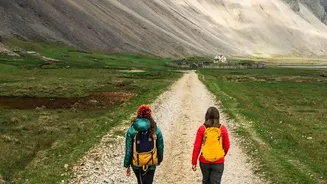
moderate, or difficult. Easy trails are typically shorter, with minimal elevation gain and a well-defined path, making them great for families and beginners. Moderate trails involve more significant climbing, uneven surfaces with rocks and roots, and require a decent level of fitness. Difficult or strenuous hikes are for experienced hikers and involve steep, sustained climbs, major elevation gain, and long distances. Before you commit to a trail, look at its total distance and, more importantly, its cumulative elevation gain. A short but steep trail can be more taxing than a long, flat one.
Consider the Season
The best time for hiking in the Canadian Rockies is a relatively narrow window. For the widest selection of accessible high-elevation trails, the prime season runs from July through mid-September. Many alpine passes remain covered in snow until late June or even early July. Spring (April-May) hiking is often limited to lower elevations, where trails can be muddy, slushy, or icy. Autumn (late September-October) offers cooler temperatures, fewer crowds, and the spectacular golden glow of larch trees, but be prepared for early snowfall at higher elevations. Winter hiking is a completely different activity, requiring specialized gear like microspikes or snowshoes and knowledge of avalanche terrain. Always check trail conditions on the Parks Canada website before you go, as conditions can change rapidly.
Decide on Scenery and Payoff
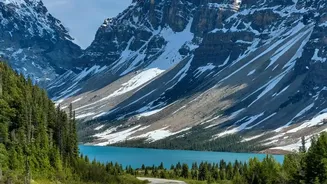
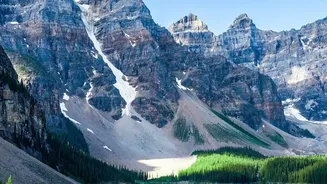
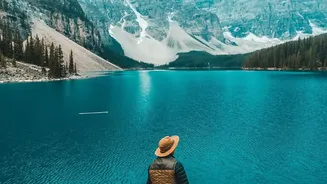
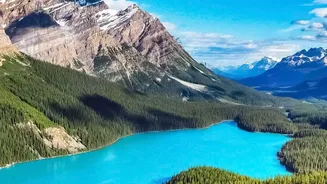
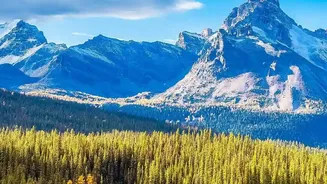
What do you want to see? The Rockies serve up a diverse menu of breathtaking landscapes. Are you dreaming of brilliant turquoise lakes? Hikes like the Lake Louise Lakeshore Trail or the Plain of Six Glaciers in Banff National National Park deliver iconic lakeside views. Do you want to stand on a summit with a 360-degree panorama? Routes like Sulphur Skyline in Jasper offer a challenging climb with a massive reward. Perhaps you're chasing waterfalls or deep, mysterious canyons. The Johnston Canyon trail is a classic choice, with its series of catwalks bolted to limestone cliffs. For a unique autumn experience, the Larch Valley trail near Moraine Lake is world-famous for its golden trees in late September. Researching photos and trail descriptions can help you match a hike to your scenic wish list.
Factor in Logistics and Location
Your travel plans will also influence your choice. Some of the most popular trailheads, like those for Lake Louise and Moraine Lake, have extremely limited parking and require booking a shuttle bus well in advance. Access to Moraine Lake Road, for instance, is closed to private vehicles year-round. Consider where you're staying—be it Banff, Jasper, Canmore, or Lake Louise—and look for hikes within a reasonable driving distance to maximize your time on the trail. You'll also need a National Park Pass for your vehicle, which can be purchased online or at park gates. Finally, be aware of any wildlife-related closures or warnings. Hiking in a group of four or more and making noise is often recommended in areas with high bear activity.
Pack for Safety and Comfort
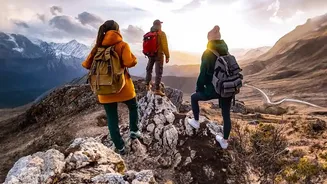
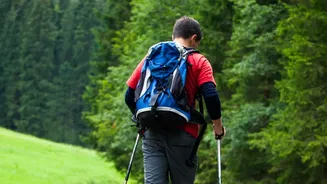
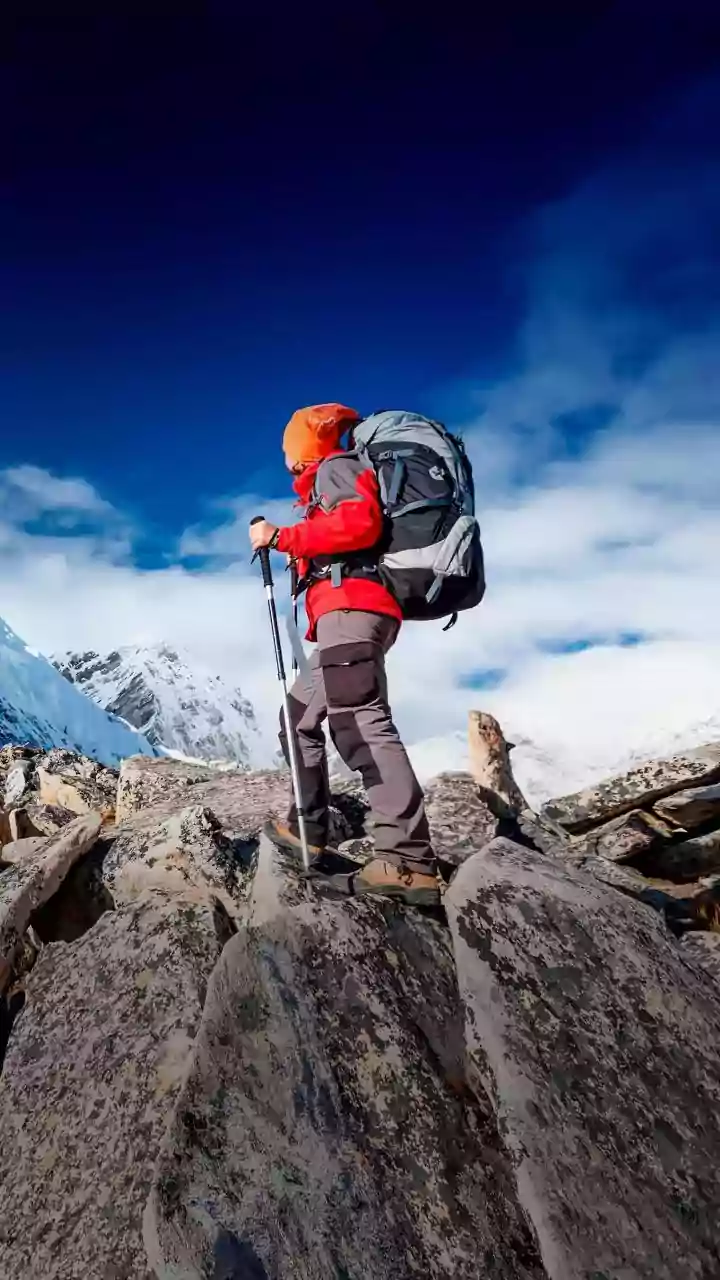
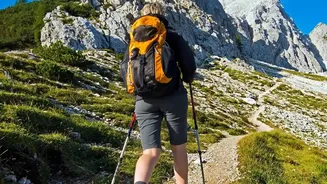
Mountain weather is famously unpredictable; a sunny morning can quickly turn into a cold, windy, and wet afternoon. Dressing in layers is essential. Start with a moisture-wicking base layer, add a warm mid-layer like fleece, and always carry a waterproof and windproof outer shell. Sturdy, broken-in hiking boots with good grip are non-negotiable for most trails. Beyond clothing, every hiker should carry the essentials: sufficient water and food, a first-aid kit, sun protection (sunscreen, sunglasses, hat), a headlamp, and a map or GPS device. In the Canadian Rockies, carrying bear spray and knowing how to use it is a critical safety measure. Hiking poles can also provide stability and reduce strain on your knees, especially on steep descents.