





The Rise of 'Barkitecture'
Forget simply tolerating pet hair on the sofa. A new wave of design, sometimes playfully called 'barkitecture' or 'pet-centric design,' is fundamentally rethinking how we share our homes with animals. This isn't just about lavish excess; it's about empathy
and intelligent design. Architects and homeowners are collaborating to create spaces that cater to the natural instincts and needs of pets, resulting in a more harmonious living environment for everyone. The logic is simple: a less stressed, more comfortable pet leads to a happier, cleaner, and more functional home. This shift acknowledges that for millions of Indians, a house isn't a home without their four-legged friends, and the design should reflect that reality.
1. Integrated Feeding Stations
Tripping over water bowls and skidding on kibble is a classic pet owner frustration. The modern solution is to build feeding stations directly into the cabinetry. Often integrated into a kitchen island or a custom-built mudroom unit, these stations feature recessed bowls that keep them off the floor and out of the main traffic path. Many designs include a pull-out drawer for food storage directly underneath, streamlining the entire feeding process. This not only creates a cleaner, more organised look but also establishes a dedicated, calm space for your pet to eat, reducing the mess and stress associated with meal times.
2. Built-In Beds and Dens
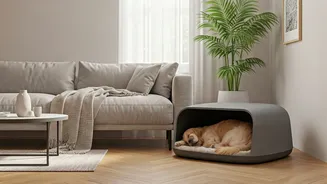
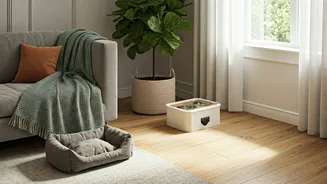
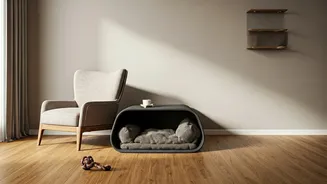
Bulky dog beds and cat trees can be an eyesore and a space-hog. Pet-centric design solves this by creating built-in nooks and dens. Imagine a cosy, cushioned alcove built under a staircase, a custom kennel integrated into the laundry room cabinetry, or a comfortable perch carved out of a bay window seat. For dogs, these enclosed spaces tap into their natural denning instinct, providing a sense of security and a safe retreat. For homeowners, it reclaims valuable floor space and embeds the pet’s personal area seamlessly into the home’s aesthetic.
3. Vertical Space for Cats
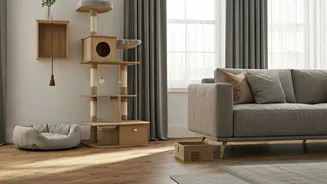
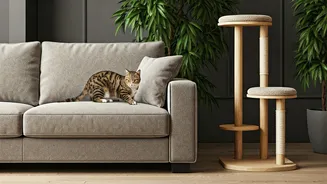
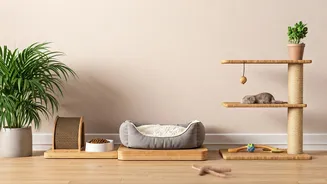
Cats are climbers. They instinctively seek high vantage points to survey their territory and feel secure. Instead of a single, often wobbly cat tree, designers are now using entire walls to create 'cat superhighways.' This involves installing a series of shelves, perches, and connected walkways that allow a cat to navigate a room without ever touching the floor. These can be sleek, minimalist shelves that blend in with modern decor or more rustic, branch-like structures for a natural look. Another popular innovation is the 'catio'—an enclosed, cat-safe patio or balcony extension that lets indoor cats experience the sights and sounds of the outdoors safely.
4. Durable and Stylish Materials
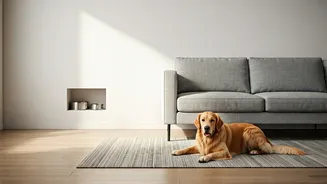
Living with pets means dealing with scratches, stains, and shedding. The new approach doesn't mean sacrificing style for durability. Flooring choices are moving towards luxury vinyl tile and engineered hardwood with scratch-resistant finishes. On furniture, performance fabrics, once reserved for outdoor use, are now a mainstay indoors. These textiles are stain-resistant, water-repellent, and incredibly easy to clean, making a white sofa a viable option even in a home with a muddy golden retriever. Washable slipcovers and area rugs made from durable materials like polypropylene also offer practical and stylish solutions.
5. Dedicated Washing Stations
Washing a sandy, muddy dog in the family bathtub is a recipe for a clogged drain and an aching back. Enter the pet washing station. This feature is becoming a must-have in new builds and renovations, often located in a mudroom or utility area. These are essentially miniature, waist-height showers, complete with a handheld sprayer and non-slip surfaces. They make cleaning off your pet after a walk in the monsoon or a roll in the mud incredibly efficient and contained. Some high-end versions even include built-in dryers, creating a full-service pet spa right at home.