



As winter arrives, our kitchens fill with the aroma of seasonal foods that do more than just please the palate. Traditional Indian winter cuisine offers a perfect blend of comfort, flavour, and essential nutrients to keep us warm and healthy.
Gajar ka Halwa
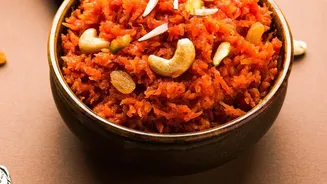
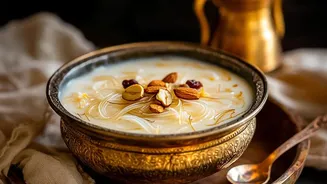
No Indian
winter is complete without a warm bowl of Gajar ka Halwa. This classic dessert is made by slow-cooking grated carrots—which are at their sweetest and juiciest during this season—with milk, ghee, and sugar. The slow cooking allows the carrots to absorb the creamy richness of the milk, resulting in a melt-in-the-mouth texture. Garnished with nuts like almonds and pistachios, it's a comforting treat that embodies the warmth of the season. While it's an indulgence, carrots provide beta-carotene, which the body converts to vitamin A, supporting immune function and skin health.
Sarson ka Saag with Makki ki Roti
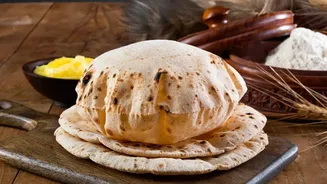
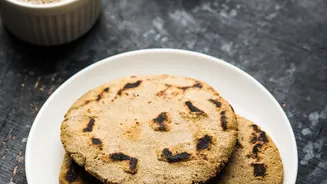
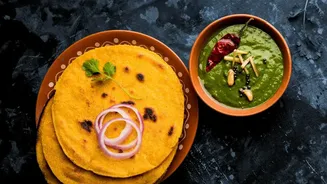
This quintessential Punjabi meal is a winter staple for a reason. Sarson ka Saag is a hearty dish made from fresh mustard greens, often blended with spinach or bathua (chenopodium). These greens are rich in vitamins A, C, and K, as well as iron and antioxidants that boost immunity. The saag is traditionally paired with Makki ki Roti, a flatbread made from maize flour that provides dietary fibre and sustained energy. Topped with a dollop of white butter or ghee, this combination is not just a cultural tradition but a nutritionally balanced meal designed for colder weather.
Gond ke Laddu
These energy-packed sweet balls are a traditional winter powerhouse. The key ingredient, 'gond' or edible gum, is known for its heat-producing properties, making it ideal for fighting off the winter chill. The laddus are prepared by frying the gond crystals until they puff up, then mixing them with whole wheat flour, ghee, jaggery, and a generous amount of nuts. Gond ke Laddu is considered a superfood that provides sustained energy, strengthens bones, and enhances vitality. A single laddu with a glass of warm milk is a traditional breakfast in many homes, designed to keep you warm and energised throughout the day.
Panjiri
Similar to Gond ke Laddu in its purpose, Panjiri is a loose, crumbly mixture from the Punjab region that serves as a nutritional supplement. Made with whole wheat flour or semolina roasted in ghee, it is packed with nuts, seeds, and warming spices. Panjiri is highly regarded as an energy and immunity booster during winter. Its combination of complex carbs, healthy fats from ghee and nuts, and plant protein provides sustained energy release, making it a perfect snack to combat winter lethargy. It's also traditionally given to new mothers to aid postpartum recovery due to its nutrient-dense profile.
Undhiyu
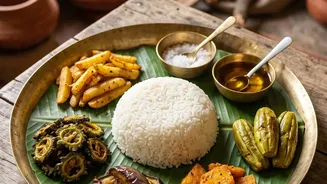
Hailing from Gujarat, Undhiyu is a one-pot mixed vegetable casserole that celebrates the bounty of winter produce. The name comes from the Gujarati word 'undhu,' meaning upside down, referring to the traditional method of cooking it in sealed earthen pots buried underground. It features a unique combination of winter vegetables like surti papdi (hyacinth beans), purple yam, sweet potatoes, baby eggplants, and raw bananas. These vegetables are slow-cooked with a flavourful masala and methi muthiya (fenugreek dumplings), creating a dish that is a perfect balance of sweet, spicy, and tangy flavours.
Til ke Laddu
Made especially around the festival of Makar Sankranti, Til ke Laddu (sesame and jaggery balls) are a simple yet potent winter sweet. Sesame seeds (til) are considered warming in Ayurveda and are rich in healthy fats, calcium, magnesium, and zinc. When combined with jaggery (gur), a natural sweetener rich in iron, they become a nutritious treat that helps prevent iron deficiency and supports bone health. These laddus are an excellent source of plant-based protein and dietary fibre, aiding digestion and providing a slow release of energy.
Bajra Khichdi
A rustic and wholesome one-pot meal, Bajra Khichdi is a popular winter dish in Rajasthan and Haryana. It replaces rice with bajra (pearl millet), a grain known for its warming properties. The millet is cooked with moong dal until it reaches a soft, creamy consistency, creating a meal that is both filling and nourishing. Bajra is a good source of fibre, protein, iron, and magnesium, making this khichdi excellent for digestion and sustained energy. Often served with a generous spoonful of ghee and a side of curd or pickle, it is the ultimate comfort food for a cold winter day.