




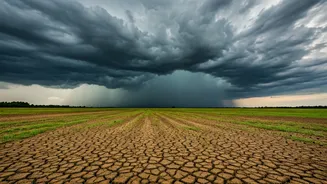



A Parched Start to the Season
The 2026 southwest monsoon has had a sluggish and concerning start. June, a critical month for the season's establishment, ended with a nationwide rainfall deficit of around 40%, making it one of the driest Junes on record since 1901. This poor performance,
attributed partly to the strengthening El Niño conditions and a lack of low-pressure systems, has set a worrying tone for July. The India Meteorological Department (IMD) has forecast that July is also likely to see below-normal rainfall for the country as a whole, deepening concerns for agriculture and water security.
The Anxious Wait in the Northern Plains
For Delhi, Uttar Pradesh, and Bihar, the delay has been particularly acute. These regions, which endured punishing heatwaves through much of May and June, are desperate for monsoon showers. While the monsoon officially advanced into parts of UP and Bihar by the end of June, the rainfall has been patchy and significantly below normal. The IMD expects the monsoon to finally reach Delhi around July 3rd or 4th. This delay has had a direct impact on the sowing of Kharif crops, the lifeblood of the region's agricultural economy. Data from late June showed a significant drop in the cultivation of essential crops like rice and pulses, as farmers await sufficient rain to prepare their fields.
Kerala's Surprising Shortfall
While the northern plains waited for the monsoon's arrival, Kerala, its traditional entry point, faced a different problem: a significant deficit despite an on-time arrival. The state concluded June with a rainfall deficit of approximately 34%. While the monsoon arrived around its usual time in early June, the intensity has been weak and inconsistent. This is a critical issue for a state dependent on monsoon rains for its reservoirs, which are vital for drinking water and hydropower generation. The IMD expects an active spell of rain in Kerala for the first two weeks of July, which could help alleviate some of the deficit, but the forecast for the latter half of the month remains subdued.
The Ripple Effect on the Economy
A weak monsoon has consequences that extend far beyond the farm. The delay and deficit have already hit Kharif crop sowing, which was down by nearly 23% by late June compared to the previous year. This directly impacts rural incomes and can lead to inflationary pressures on food prices. For urban areas like Delhi, a delayed monsoon means prolonged heat, increased power demand for cooling, and a greater strain on already stressed water supplies. The performance of the monsoon in July is crucial. It is the rainiest month of the season, and a continued deficit could force states to implement contingency plans for water conservation and agricultural support.
What Does the Forecast Hold?
The national forecast for July suggests continued below-normal rainfall. However, meteorologists offer a glimmer of hope, noting that a low-pressure system is likely to form over the Bay of Bengal in early July. This could bring a wet spell and more widespread rain to central and northern India during the first week or two of the month, potentially boosting sowing activities. While the monsoon has officially advanced into Bihar and parts of Uttar Pradesh, its performance remains key. For now, millions across these states are caught between a difficult June and an uncertain July, hoping the monsoon finally delivers on its promise.