





The Allure of the Monsoon
The conventional wisdom for a beach holiday involves brilliant sunshine and cloudless skies. But in Kerala, the off-season, which coincides with the southwest monsoon from June to September, offers a different kind of magic. This isn't a time of incessant
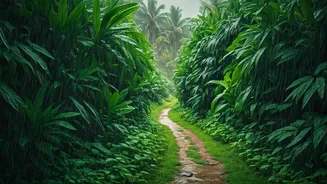
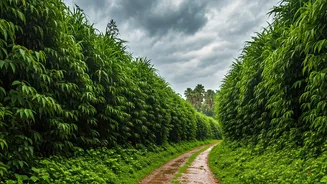
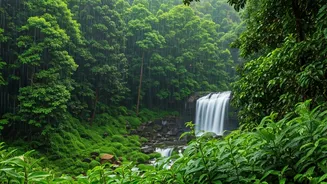
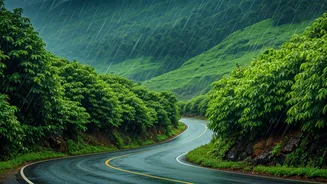
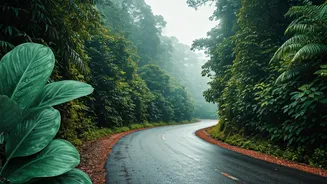
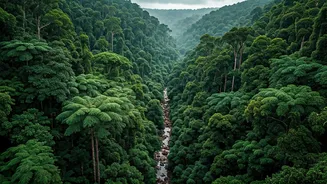
downpours that ruin plans. Instead, the season is characterized by intense but often brief showers followed by periods of soft, golden sunshine filtering through the clouds. [12] The rain washes the dust from the air, deepens the greens of the sprawling tea plantations and forests, and fills the air with the scent of wet earth. [9, 10] The dramatic, moody skies create a breathtaking backdrop for the coastline, transforming familiar vistas into something raw and powerful. [13] This atmospheric shift is the first hint of the state’s off-season strength, trading chaotic tourist energy for a tranquil, immersive experience.
Solitude on the Sand
Perhaps the most obvious superpower is the peace and quiet. Popular beaches like Varkala and Marari, which teem with visitors during the peak winter season, become serene sanctuaries. [13, 19] This solitude allows for a deeper connection with the environment. You can walk for miles along a misty shore, with the roar of the Arabian Sea as your only companion. While swimming is often discouraged due to rougher currents, the experience of the beach itself is elevated. [13, 21] The lack of crowds means more personal and meaningful interactions with local communities and a chance to see the coastline as a place of authentic daily life, where fishermen go about their work with their unique fishing nets. [10, 12] This tranquility is a luxury that peak-season prices can't buy.
The Ideal Climate for Wellness
The monsoon season is traditionally and scientifically regarded as the best time for Ayurveda, Kerala's ancient system of healing. [3] According to Ayurvedic principles, the cool, moist, and dust-free atmosphere during the rains helps to open the pores of the skin, making the body more receptive to medicinal oils and therapies. [5, 12] This enhanced receptivity makes treatments like Panchakarma—a comprehensive detoxification process—significantly more effective. [4, 6] The climate is also believed to pacify the body's 'doshas' or energies. [3] As a result, Ayurvedic resorts and wellness centers see a dedicated influx of visitors seeking rejuvenation for conditions like arthritis, stress, and joint pain, turning the rainy season into a prime time for health and healing. [6, 8]
A World Beyond the Beach
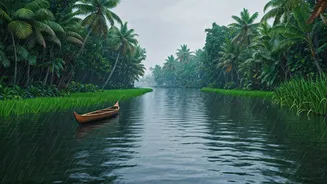
Kerala's monsoon charm extends far beyond its coastline. The backwaters of Alleppey and Kollam become fuller and even more picturesque, with the rain creating a magical, misty ambiance for houseboat cruises. [5, 10] The waterfalls, such as the magnificent Athirappilly Falls, are at their thunderous peak, offering a truly awesome spectacle. [5, 22] The hill stations of Munnar and Wayanad are draped in fog and mist, with the tea gardens appearing impossibly lush. [9, 22] It’s a photographer’s dream. The season also hosts vibrant cultural events, including the spectacular Onam festival (typically in August) and the thrilling Nehru Trophy Snake Boat Race, offering a deep dive into the region's rich traditions. [5, 7]
The Practical Perks of an Off-Season Trip
Beyond the atmospheric and cultural benefits, there are significant practical advantages to visiting Kerala during the monsoon. As it's considered the 'off-season,' prices for flights, accommodations, and even activities see a substantial drop. [5, 14] Luxury resorts and boutique hotels that might be prohibitively expensive in December become accessible, often offering discounts of up to 40-60%. [14, 16] This allows travelers to experience a higher level of comfort and service for a fraction of the peak-season cost. The lower tourist numbers mean no long queues, more personalized attention from guides and hosts, and the freedom to explore at a leisurely pace, making the entire journey more relaxing and rewarding. [7, 14]