



The New Definition of 'A Good Meal Out'
Forget the hushed tones and intimidating multi-course menus of traditional fine dining. The hottest tables in cities like Mumbai, Delhi, and Bengaluru are now found in spaces that champion a different kind of luxury: one defined by comfort, authenticity,
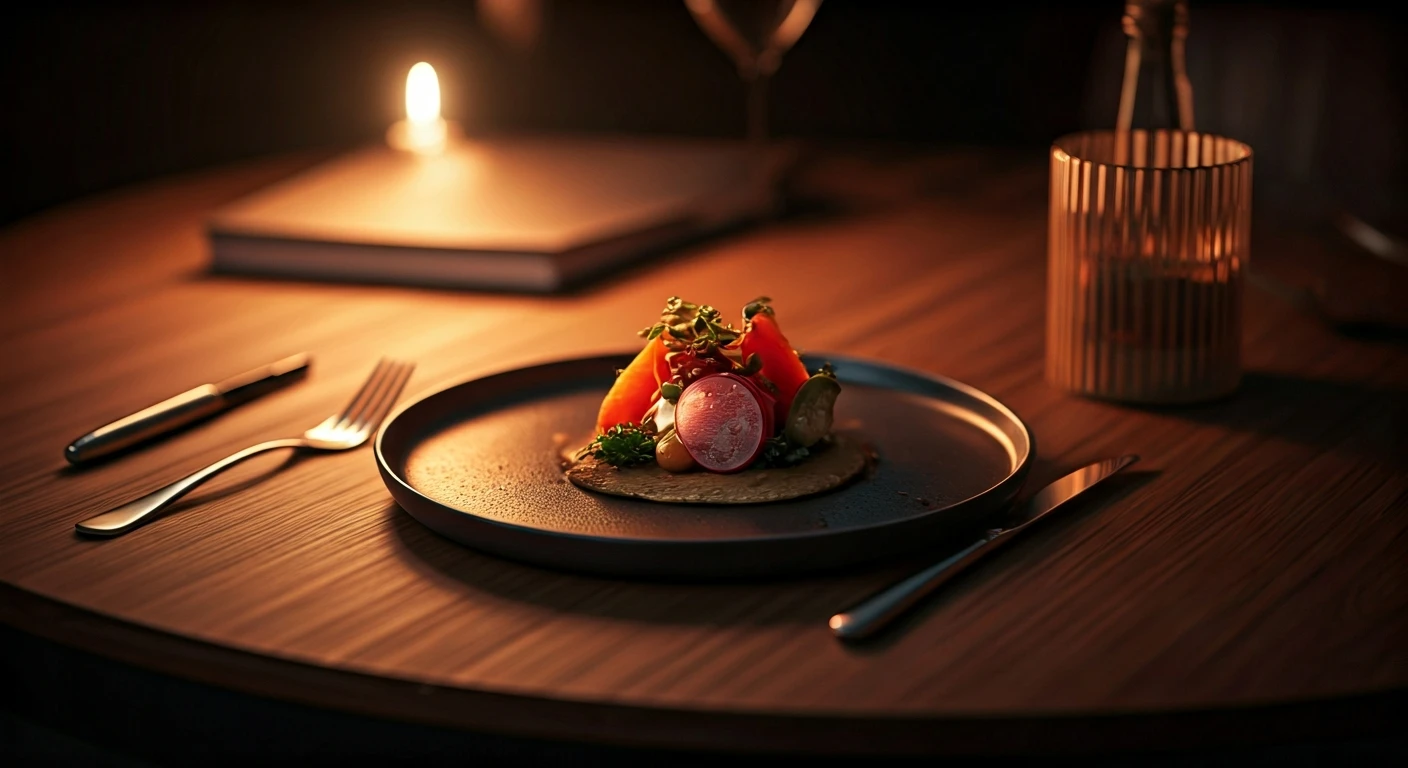
and experience. Termed 'upscale casual' or 'premium casual,' this trend is about delivering high-quality food and drinks in a relaxed, vibrant atmosphere. [9] It’s not about compromising on quality; in fact, the focus on fresh, locally-sourced ingredients, innovative cooking techniques, and skilled chefs is more intense than ever. [4] What’s gone is the strict dress code and the sense that you need a special occasion to dine well. [12] This shift reflects a broader change in consumer preferences where the overall experience—the vibe, the story, the community—is just as important as what's on the plate. [5]
Who Is Driving This Change?
At the heart of this transformation are India's Millennial and Gen Z diners. [8] This is a generation with rising disposable incomes, global exposure through social media, and a deep-seated desire for experiences over mere possessions. [6, 13] They are more adventurous with their palates, open to experimenting with new cuisines, and value authenticity and storytelling. [8, 14] Restaurateurs have noted that these younger consumers are less impressed by legacy brands and more drawn to concepts that feel relatable and soulful. [8] The post-pandemic world has also accelerated this trend, with a renewed public desire to socialise and connect in comfortable, engaging environments after years of restrictions. [26] People want to eat out more often, not just on birthdays and anniversaries, and the casual premium model fits perfectly into this new lifestyle. [11]
What's On The Menu (And The Playlist)?
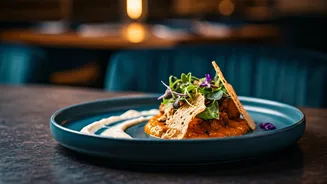
The food at these establishments is ingredient-forward and often tells a story. Chefs are moving beyond the 'modern Indian' label to present their personal interpretations of regional cuisines, celebrating everything from street food to forgotten family recipes. [14, 23] You’ll find menus that blend global techniques with local flavours, a rise in plant-based options, and a strong emphasis on sustainability. [5] For example, Chef Manish Mehrotra's new Delhi restaurant, Nisaba, focuses on elevated versions of regional street food, while SOBOMBAE in Gurgaon by Chef Ajay Chopra is a tribute to Mumbai's diverse food culture, from Parsi classics to Malwani coastal flavours. [19, 24] The experience extends to the bar, with artisanal cocktails featuring local ingredients becoming a major draw. [19] The ambience is just as curated, with spaces designed to be social, photogenic, and comfortable, often featuring open kitchens, community tables, and a thoughtfully selected music playlist that contributes to the overall energetic vibe. [18]
An Experience, Not Just a Meal
Ultimately, the success of casual premium dining lies in its holistic approach. It's about creating a multi-sensory journey where food, design, music, and hospitality intersect. [5] Restaurants are becoming 'third places'—social hubs where people can work, relax, and connect. [10] Establishments are no longer just places to eat; they are cultural destinations offering everything from live music to art installations, like MOKAI in Mumbai, which is part café and part art gallery. [21, 27] This evolution has turned dining out into an immersive social event. [5] As one industry expert notes, today's diners don't just come for a dish; they come for a journey that brings together flavours, culture, storytelling, and hospitality. [5] This shift has made the dining scene in metros incredibly competitive, with thousands of people vying for a limited number of spots at the most talked-about new venues. [25]