







The End of Itinerary Tyranny
For decades, the mark of a 'good' trip was a long list of sights ticked off. It was a style of travel built on accumulation, where you returned home with a camera full of photos but a memory that felt surprisingly thin. This is 'checklist tourism', and
a growing number of travellers are consciously leaving it behind. The modern Indian traveller, in particular, has evolved past this phase. Instead of a whirlwind tour of five cities in five days, there's a deliberate shift towards what is being called 'slow' or 'creative' travel. This approach prioritises connection over collection, replacing the pressure to 'see everything' with the permission to truly experience something. It’s about quality over quantity, swapping a frantic pace for a more meaningful, immersive journey.
Trading Checklists for Connection
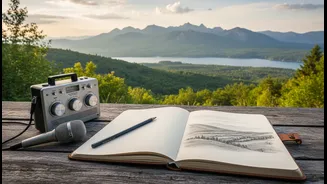
The core idea of creative travel is simple: pay attention. Instead of treating a destination as a series of photo opportunities, you engage with it using all your senses. The 'field notes' in the headline is a metaphor for this mindful approach. It's about capturing the essence of a place, not just its image. This might mean journaling on a park bench, sketching the architecture of an old building, or simply sitting in a café and observing the daily rhythm of the neighbourhood. This practice of slowing down and noticing the details has profound benefits. It fosters a deeper connection to the place, reduces the stress often associated with travel, and creates memories that are richer and more personal. You remember the smell of spices in a Jodhpur market or the specific shade of green in the Munnar tea fields because you took the time to actually absorb it.
How to Build Your Field Kit
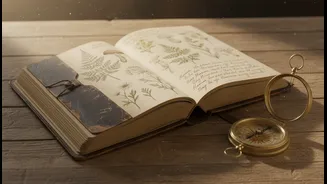
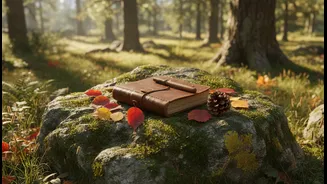
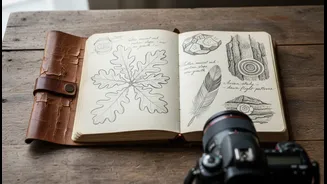
Adopting this style doesn’t require expensive gear, just a shift in mindset. Your 'field kit' can be as simple as a small notebook and a pen. There are no rules. This journal becomes a space to document not just what you see, but what you feel and think. You can write down snippets of conversations you overhear, describe a delicious meal in detail, sketch a flower you've never seen before, or even just list things that made you smile. Some people collect ticket stubs and postcards, turning their journal into a scrapbook. Others might use their phone to record sounds or take photos with more intention, focusing on textures and details rather than just landmarks. The goal is to create a personal souvenir of your experience, one that captures the feeling of a place far better than a mass-produced trinket ever could.
You Don’t Need to Be an Artist
A common hesitation is the belief that you need to be a skilled writer or artist to keep a travel journal. This couldn't be further from the truth. The notebook is for you, a tool for observation, not a piece of art to be judged. In fact, an open sketchbook or journal can often be an invitation for conversation with locals, creating opportunities for connection that might not otherwise arise. The act of sitting down to draw or write forces you to look more deeply and spend more time taking in your surroundings. Start small. On your next trip, even if it's just a weekend getaway to a nearby town, set aside 30 minutes to sit and observe. Write down what you see, hear, and smell. You’ll be surprised by what you notice when you stop rushing to the next thing.