


The Backlash to Complicated Eating
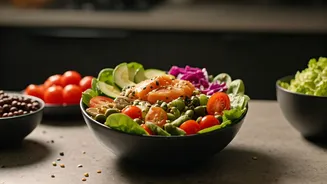
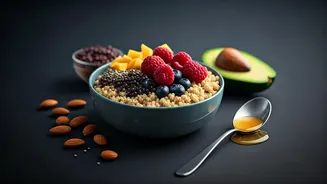
For years, the urban Indian wellness landscape was dominated by global trends. Diets like Keto, Paleo, and Atkins, along with a pantry full of expensive and often imported 'superfoods' like kale, avocados, and chia seeds, were promoted as the gold standard
for health and weight loss. While some found success, many found these regimens to be unsustainable, expensive, and culturally alienating. The mental load of tracking macros, sourcing specialty ingredients, and giving up beloved traditional foods led to widespread diet fatigue. This burnout has paved the way for a powerful counter-movement: a return to simplicity.
The Wisdom of 'Ghar ka Khana'
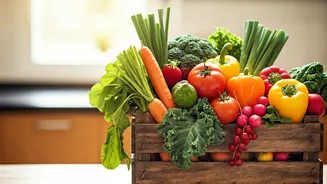
At the heart of this shift is a renewed appreciation for 'ghar ka khana'—home-cooked food. Nutritionists and wellness influencers are increasingly championing the humble Indian thali as a model of balanced nutrition. A simple meal of dal (lentils for protein), roti/rice (carbohydrates for energy), a seasonal sabzi (vegetables for vitamins and fibre), and a side of dahi (curd for probiotics) provides a complete nutritional profile. This approach moves away from demonising entire food groups like carbs or fats, and instead focuses on moderation, variety, and the time-tested wisdom embedded in regional Indian cuisines. It’s a philosophy that feels less like a restrictive diet and more like a nourishing, intuitive way of eating.
Why Simplicity Is Winning
The appeal of simple diets is multi-faceted. Firstly, they are accessible and affordable. The ingredients are readily available in local markets, eliminating the need for expensive trips to specialty stores. Secondly, they are sustainable, both for the individual and the environment. Eating locally and seasonally reduces food miles and supports local farmers. From a health perspective, consuming familiar, traditional foods is often better for gut health, as our digestive systems are already adapted to them. This cultural resonance also plays a key role; it connects people to their heritage and provides a sense of comfort and authenticity that foreign fads can never replicate.
The Mighty Millet Makeover
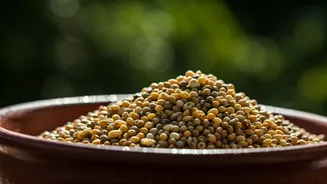
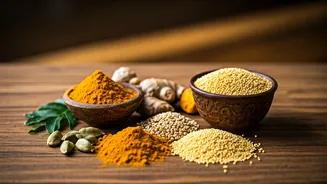
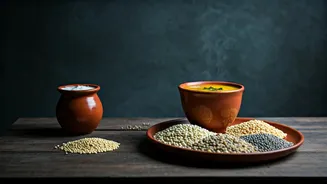
Perhaps no single trend exemplifies this shift better than the resurgence of millets. Once a staple in many parts of India, grains like jowar (sorghum), bajra (pearl millet), and ragi (finger millet) were sidelined by the dominance of wheat and rice. Now, they are making a major comeback. Recognised for their high fibre content, low glycemic index, and drought-resistant properties, millets are being hailed as a 'superfood' that is truly Indian. The government’s promotion of 2023 as the 'International Year of Millets' has further boosted their popularity. From ragi dosas to jowar rotis, Indians are rediscovering these ancient grains as a simple, healthy alternative to refined flours.
It’s a Mindset, Not Just a Meal Plan
Ultimately, this movement is about more than just what's on the plate. It represents a broader shift in mindset from short-term, restrictive dieting to long-term, sustainable well-being. The new philosophy champions mindful eating—paying attention to hunger cues, savouring food, and avoiding distractions during meals. It encourages listening to your body and honouring the traditions that have nourished generations. Instead of chasing a number on a scale through punishing regimens, the goal is to build a healthier relationship with food, one simple, home-cooked meal at a time. It’s a gentle, common-sense approach that puts joy and well-being back at the centre of the dining table.