





The Science of a Dry Escape
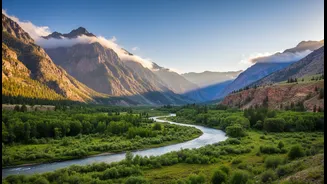
So, what exactly is a rain-shadow destination? The concept is simpler than it sounds. When moisture-laden winds from the sea encounter a mountain range, they are forced to rise. As the air ascends, it cools and releases its moisture as rain on the windward
side of the mountains. By the time this air mass crosses over the peaks and descends on the leeward side, it is significantly drier. This process creates an area with minimal rainfall—a 'rain shadow'—often resulting in arid or semi-arid landscapes like deserts or high-altitude cold deserts. For travellers in India, this means that while one side of a mountain range is being drenched by monsoon rains, the other side can be blissfully sunny and dry, making it a perfect escape.
India's Prime Rain-Shadow Havens
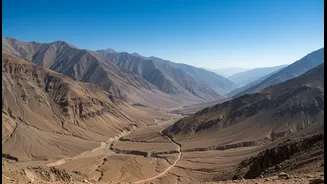
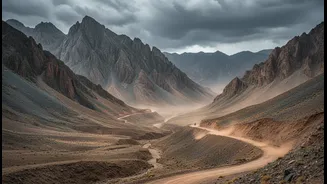
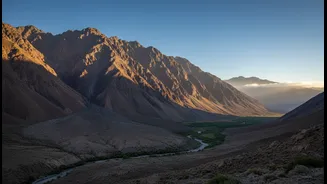
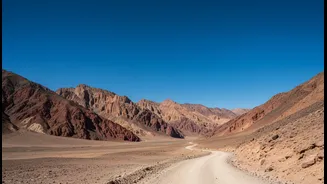
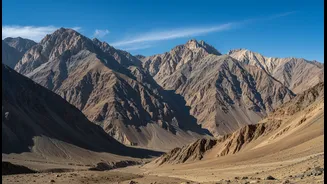
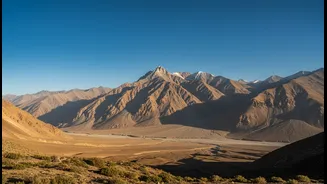
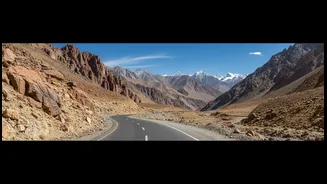
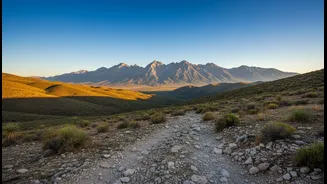
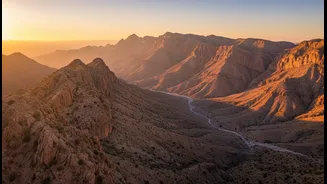
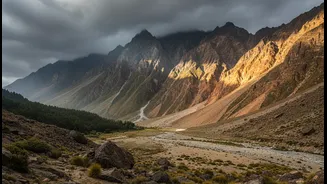
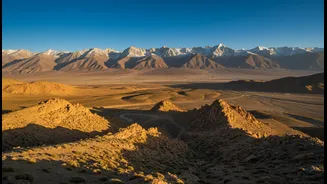
India is home to some of the world's most spectacular rain-shadow regions, which have become hotspots for adventure tourism. The most famous are Ladakh and the Spiti Valley in Himachal Pradesh. Both are shielded by the towering Himalayas, which block the southwest monsoon clouds from reaching them. This results in a stark, beautiful landscape of barren mountains, deep valleys, and turquoise rivers. Adventure seekers flock here for trekking, motorbiking, and exploring ancient monasteries under clear blue skies, especially between June and September when the rest of the country is experiencing heavy rainfall. Other, lesser-known rain-shadow areas include parts of the Deccan Plateau, which lies on the leeward side of the Western Ghats, offering a different kind of dry-season experience.
A Shift in Booking Patterns
The secret is out, and the window for spontaneous trips to these regions is shrinking. Travel experts and local operators are noticing a distinct trend: travellers are booking their trips to places like Ladakh and Spiti much earlier in the year. There are several factors driving this shift. Firstly, the desire to secure accommodations and transport is a major motivator. As these destinations become more popular, the best hotels, guesthouses, and tour packages are snapped up months in advance. Secondly, climate change is making weather patterns, including the monsoon, more erratic. This uncertainty encourages travellers to lock in their plans for the few destinations that offer reliable conditions during this period. The 'shoulder seasons'—just before and after the traditional peak—are also gaining popularity as people seek to avoid the biggest crowds, further extending the booking season.
Why Planning Ahead Is Now Crucial
Booking early is no longer just about getting a better price; it's about ensuring the trip can happen at all. For high-altitude destinations like Ladakh and Spiti, accessibility is a key concern. The mountain passes that provide road access, such as Rohtang Pass and Zoji La, are only open for a few months a year. An early booking ensures you have a spot during this limited window. It also provides more time to prepare for the challenges of high-altitude travel, including acclimatisation, which is critical for a safe and enjoyable trip. With more people vying for the same limited resources—from flights to Leh to experienced guides and vehicles—planning ahead has become a strategic necessity for anyone serious about exploring these unique landscapes. Travel advisors consistently recommend booking well in advance for destinations with limited capacity or complex logistics.
Beyond Just Beating the Rain
The appeal of these destinations goes far beyond just dry weather. A trip to Ladakh or Spiti is an immersion into a different world. The culture is deeply influenced by Tibetan Buddhism, with ancient monasteries clinging to cliffsides and prayer flags fluttering in the wind. The landscape itself is a major draw—vast, stark, and profoundly beautiful, it offers a sense of solitude and adventure that is hard to find elsewhere. The peak travel months of July and August are also when many of the region's vibrant cultural festivals, like the Hemis festival in Ladakh, take place. These events offer a fascinating glimpse into local traditions and are a major attraction, adding another compelling reason for travellers to plan their visits well in advance to coincide with these unique celebrations.