






Shop Smart, Stay Safe
Your first line of defense is at the grocery store or local market. Start by selecting non-perishable items first, saving refrigerated and frozen foods for last to minimize their time out of the cold. Inspect produce for bruises, cuts, or mould, as these
can be entry points for bacteria. When buying packaged goods, check for intact seals and avoid cans that are dented, rusted, or bulging. Pay close attention to 'use-by' dates, especially for dairy and meat products. To prevent cross-contamination in your cart, keep raw meat, poultry, and seafood separate from all other foods. Placing them in separate plastic bags can prevent their juices, which often contain harmful bacteria, from dripping onto your other groceries.
The Crucial Trip Home
The clock starts ticking the moment you leave the store. Perishable foods should be refrigerated within two hours. If the outside temperature is high, as it often is in India, this window shrinks to just one hour. Plan your errands so that grocery shopping is your last stop before heading home. Transporting perishables in a cooler bag with ice packs is a great way to maintain a safe temperature, especially on hot days or during long journeys. Keeping reusable bags clean is also vital; wash them frequently, particularly if they have been used to carry raw meats.
Mastering Kitchen Storage
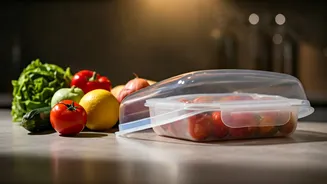
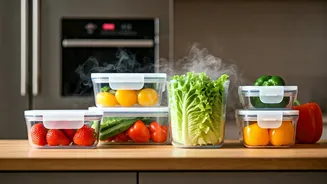
Proper storage is one of the most effective ways to slow bacterial growth. Your refrigerator should be set at or below 4°C (40°F), and your freezer at -18°C (0°F). Using an appliance thermometer is the best way to ensure these temperatures are accurate. The cardinal rule of fridge storage is to prevent cross-contamination. Store raw meat, poultry, and seafood in sealed, leak-proof containers on the bottom shelf. This prevents juices from dripping onto ready-to-eat foods like fruits, salads, or leftovers. Don't overpack your refrigerator, as cool air needs to circulate to keep food safe. Store eggs in their original carton inside the main body of the fridge, not in the door where temperatures fluctuate.
The Prep Zone: Cleanliness is Key
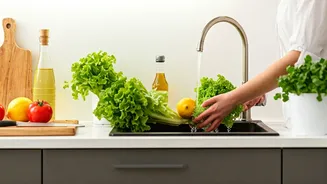
Before you even think about cooking, establish a clean and organised prep area. Handwashing is non-negotiable. According to the Food Safety and Standards Authority of India (FSSAI), you should wash your hands with soap and warm water for at least 20 seconds before and after handling food. Use separate cutting boards for raw proteins and produce to avoid spreading bacteria. If you only have one, wash it thoroughly with hot, soapy water between uses. When it comes to washing produce, a simple rinse under running water is often sufficient to remove dirt and some pesticide residues. For firm-skinned items like potatoes or melons, use a clean vegetable brush. Contrary to popular belief, washing raw meat or poultry is not recommended as it can splash bacteria around your kitchen.
Thawing Food Safely
How you defrost frozen food is just as important as how you cook it. Never thaw food at room temperature on the countertop, as this allows bacteria to multiply rapidly in the outer layers while the inside is still frozen. The FSSAI recommends three safe methods for thawing: in the refrigerator, in cold water, or in the microwave. Thawing in the fridge is the safest method but requires planning ahead. Food thawed in cold water (ensuring it's in a leak-proof bag) or in the microwave should be cooked immediately after. Always marinate food inside the refrigerator, not on the counter, to keep it at a safe temperature.