


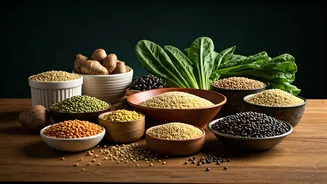


The Nutritional Powerhouse Awakens
The primary driver behind the millet revival is a collective shift towards health and wellness. As lifestyle-related health issues become more prevalent in cities, health-conscious consumers are actively seeking nutritious alternatives to refined staples
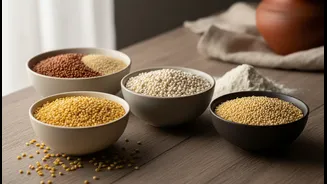
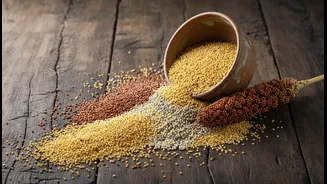
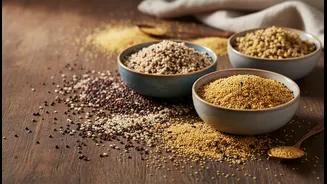
like white rice and wheat. Millets fit the bill perfectly. They are naturally gluten-free, packed with protein and fibre, and have a lower glycemic index, which helps in managing blood sugar levels. Compared to rice and wheat, grains like ragi, jowar, and bajra offer a richer profile of essential minerals like iron, magnesium, and calcium. This makes them a compelling choice for those looking to improve digestion, manage weight, and boost overall health, transforming them from a simple grain into a desirable superfood.
From Government Push to Global Stage
The resurgence isn't just a grassroots movement. It has received a significant boost from official channels. The Indian government's push, which successfully led the United Nations to declare 2023 as the International Year of Millets, placed these grains in the global spotlight. This initiative, branding them as 'Shree Anna', aimed to raise awareness about their nutritional and environmental benefits. Millets are climate-resilient crops that require less water than rice and wheat, making them a sustainable choice for farmers and the environment. Various government schemes, such as the National Food Security Mission, are actively promoting millet cultivation and procurement, ensuring they become more accessible across the country.
The Modern Culinary Makeover
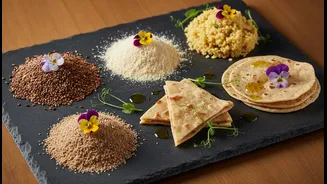
For any food to become truly popular, it needs to be delicious and convenient. This is where India's culinary innovators have stepped in. Chefs in urban centres like Bengaluru and Mumbai are reimagining millets, moving them beyond traditional porridge and flatbreads. You can now find millet-based risottos, pizzas, salads, and even fermented misos on fine-dining menus. Simultaneously, a wave of food-tech startups is making millets accessible for home consumption. Brands like Millwize are launching innovative, ready-to-eat and ready-to-cook products like millet cookies, pasta, noodles, and breakfast cereals. These products are designed for modern, busy lifestyles, removing the perceived hassle of cooking with millets and making them appealing to a new generation of consumers.
More Than a Fleeting Trend
The return of millets feels less like a fleeting fad and more like a meaningful reconnection with our roots. Historically, millets were a dietary staple in India for centuries before the Green Revolution prioritized high-yield rice and wheat crops. The current movement represents a full-circle moment where consumers are rediscovering the wisdom of traditional diets, backed by modern science and convenience. This convergence of health consciousness, sustainability, government support, and culinary creativity is what transforms these simple grains into a powerful force for a healthier future. The millet revival is not just about changing what's on our plates; it's about shifting mindsets towards a more balanced, diverse, and sustainable way of eating.