





So, What Is Cactus Water Anyway?
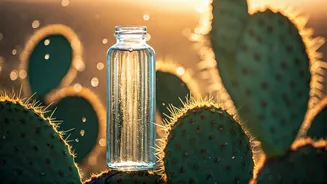
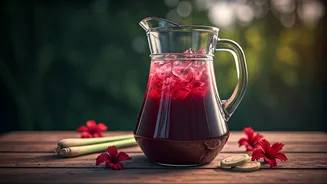
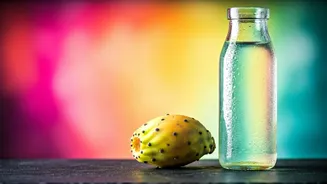
First, let's clear up a common misconception: you’re not drinking the water stored inside a spiky green cactus. Cactus water is actually made from the fruit of the Nopal cactus, more commonly known as the prickly pear. This vibrant pink fruit is pressed
to extract its juice, which is then typically mixed with filtered water and sometimes a hint of natural fruit juice for flavor. The result is a beverage with a taste often described as a mix between watermelon and berry, but less sweet. Unlike its wellness-aisle neighbor, coconut water, it has a fruitier profile and is generally less polarizing. It's not a thick, pulpy juice but a light, refreshing drink that has been consumed for centuries in Mexican and Native American cultures for its hydrating and medicinal properties.
The Nutritional Punch: Hydration and Health
The main draw of cactus water is its impressive, naturally occurring nutritional profile. It’s packed with electrolytes like potassium and magnesium, which are crucial for hydration, muscle function, and balancing fluid levels in the body. This makes it a great choice for post-workout recovery or simply staying hydrated on a hot day. Beyond electrolytes, prickly pear is a powerhouse of antioxidants, particularly a class of pigments called betalains. These compounds are known for their anti-inflammatory properties, helping your body combat oxidative stress from exercise and daily life. It also contains taurine, an amino acid often added synthetically to energy drinks for its supposed benefits on cardiovascular health and athletic performance, but here it’s naturally present.
How It Stacks Up Against Energy Drinks
This is where cactus water truly shines as an alternative. A standard energy drink can contain upwards of 25 to 40 grams of sugar and a laundry list of artificial colors, flavors, and stimulants. That combination delivers a quick, jittery energy spike followed by the inevitable crash. Cactus water, on the other hand, provides a different kind of energy—the sustainable kind that comes from proper hydration and nutrients, not a blast of caffeine and sugar. Most pure cactus waters contain zero added sugar and have only a few grams of naturally occurring sugar from the fruit itself. It won't give you the wired feeling of a triple-espresso shot, but it will help you feel refreshed and revitalized without the negative side effects of a sugar bomb.
The Coconut Water Rivalry
For years, coconut water has been the reigning champion of natural hydration drinks. But cactus water is emerging as a serious contender, especially for the calorie and sugar-conscious. While both are excellent sources of potassium, cactus water often has about half the calories and sugar of its coconut-based counterpart. For example, a serving of a leading coconut water brand can have around 15 grams of sugar, while many cactus water brands clock in at 4 to 5 grams or less. The flavor profile is also a key difference; those who find coconut water’s slightly savory, nutty taste off-putting may prefer the lighter, fruit-forward flavor of cactus water.
The Fine Print: What to Look For
As with any trending health product, not all cactus waters are created equal. The surge in popularity means the market is now filled with options, and some are better than others. The most important thing to do is read the label. Look for brands that list prickly pear purée or juice as the first or second ingredient, right after water. The real red flag is “added sugar.” Some companies add cane sugar or other sweeteners to appeal to a broader palate, which effectively negates the primary benefit of choosing it over a soda or sugary juice. The best options are those with a short, clean ingredient list, ensuring you’re getting the plant’s natural benefits without any unnecessary additives.