


The Power of the Default Option
The core of this new approach lies in a concept from behavioural economics called 'choice architecture'. It refers to how the presentation of choices influences our decisions. Think about your phone's settings or a new software application; you probably
stick with most of the pre-selected 'default' options because it’s easier. This same principle applies to food. The 'default' is the path of least resistance. Currently, in many food environments like restaurants and supermarkets, the default options are often unhealthy—think fries and a soft drink with a meal combo. The next big challenge in public nutrition is to flip this script and make the healthy choice the easy, automatic one.
Designing a Healthier Environment
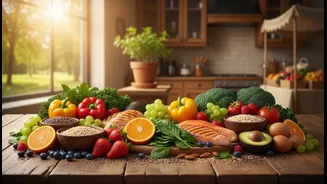
So, what does making healthy choices the default look like in the real world? It involves subtle changes, or 'nudges', that steer us toward better options without restricting choice. For example, a school cafeteria found that moving the salad bar to the front, placing fruit at eye level, and hiding sugary drinks increased sales of healthy items significantly without anyone being told what to eat. Worksite canteens might place plant-based meals first in the buffet line, a move shown to increase their uptake. Other strategies include using attractive displays for fruits and vegetables, adding signage that highlights healthy options, or simply changing the default side dish on a menu from fries to a salad. These small environmental tweaks can have a surprisingly large impact on what we eat.
Why Willpower Isn't Enough
For decades, the focus of nutrition advice has been on education and willpower, assuming that if people know what’s healthy, they will choose it. But this overlooks the fact that many of our daily food choices are automatic and habitual, not rational and deliberative. When we are hungry, tired, or stressed, our brains are wired to choose the most convenient and appealing option available. A key insight from behavioural science is that the context of a decision can be more powerful than our own intentions. By accepting the default, we conserve mental energy. The challenge, therefore, is not just to educate individuals, but to design food environments that support our health goals, making the nutritious choice the path of least resistance.
The Hurdles in India
Implementing these changes on a national scale presents significant challenges, particularly in India. A major issue is the lack of coherent food and nutrition policies and poor coordination between different government ministries. While policies to curb unhealthy foods high in fat, sugar, and salt have been discussed for years, implementation has been slow, with key definitions and regulations still not legally binding. Furthermore, India's food system has long subsidized the production of cereals over more diverse, nutrient-rich crops like millets, fruits, and vegetables. This makes accessing a balanced diet difficult and expensive for many, especially in rural areas. Overcoming these systemic issues requires a coordinated push to realign agricultural policies, regulate the marketing of unhealthy foods, and improve infrastructure to ensure nutrient-rich foods are both available and affordable.
Creating Your Own Healthy Defaults
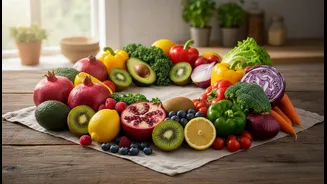
While systemic change is crucial, you can apply the principles of choice architecture in your own life today. Start by redesigning your kitchen environment. Place a fruit bowl on the counter where it's visible and easy to grab, while keeping biscuits and chips in an opaque container on a high shelf. When packing lunch, make a salad or vegetable sticks your default side. At the supermarket, make it a rule to fill half your cart in the produce section before heading to the packaged goods aisles. Even small habits, like setting an intention to have a glass of water before each meal, can act as a powerful nudge. By consciously setting your own healthy defaults, you reduce the number of decisions you have to make and make it easier to stick to your goals without relying on finite willpower.