




What 'Clean Label' Actually Means
The term 'clean label' isn't officially defined or regulated by bodies like the FSSAI, which can create confusion. However, it's a consumer-driven movement for foods made with simple, natural, and easily understandable ingredients. Think short ingredient lists,
names you can pronounce, and the absence of artificial preservatives, colours, flavours, or synthetic additives. Consumers are increasingly wary of chemical-sounding names on the back of a pack. The core idea is transparency and a return to food that feels closer to its natural state, free from things that don't sound like real food.
The Drivers Behind the Demand
This shift isn't happening in a vacuum. A major driver is a heightened sense of health consciousness, significantly accelerated by the pandemic. Consumers are more informed than ever thanks to digital awareness and are actively seeking to improve their well-being. Recent studies show this is a mainstream concern, not a niche one. A 2026 report from Farmley found that 62% of over 6,000 consumers surveyed consider clear ingredient information the most important factor when choosing a snack brand. Another key finding was that 61% prefer snacks sweetened with natural options like dates or jaggery over refined sugar. This desire for 'better-for-you' products has turned ingredient labels into a key battleground for consumer trust.
From Niche Trend to Mainstream Market
The demand for clean-label snacks is reshaping the market. The Indian healthy snacks market is projected to grow significantly, with a compound annual growth rate (CAGR) of around 10%. This growth is fuelled by consumers who are willing to pay more for products they trust. In response, a wave of new brands like The Whole Truth, WellBe, and The Healthy Binge have built their entire identity around transparency and natural ingredients, often finding huge success. Legacy brands are also taking note, reformulating products and launching clean-label lines to meet the new expectation. The trend is expanding beyond metro cities into Tier 2 and Tier 3 towns, proving its staying power.
How to Read a Label Like a Pro
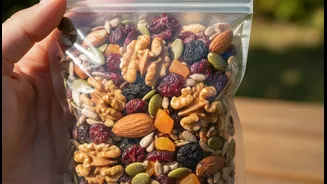
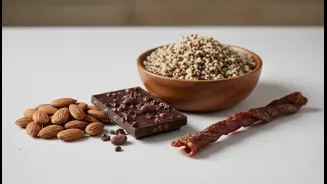
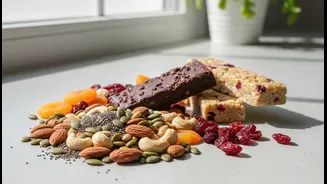
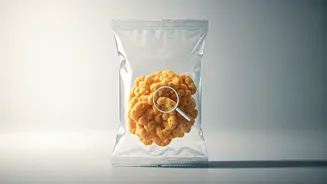
Navigating the snack aisle can still be tricky. Marketers often use misleading terms like 'healthy' or 'natural' on the front of the package. The real story is always in the ingredient list on the back. A good rule of thumb is to look for a short list of ingredients you recognise. Be wary of multiple names for sugar (like dextrose or liquid glucose) and a long list of additives, enhancers, and preservatives. The shift towards clean eating also involves paying attention to the type of oils used, with a preference for roasted or baked snacks over those fried in palm oil. Ultimately, the goal is to find snacks that offer genuine nutritional value from ingredients like whole grains, nuts, seeds, and millets.
Challenges and the Road Ahead
While the demand is clear, creating clean-label products at scale in India presents challenges. Sourcing consistent, high-quality raw materials can be difficult in a fragmented agricultural system. Removing artificial preservatives can also reduce shelf life, a significant hurdle for manufacturers. Moreover, making these products affordable and accessible to a wider audience, not just premium urban shoppers, remains a critical challenge. Brands that succeed will be those that innovate in their supply chains and production processes to balance purity with practicality. As consumer awareness grows and regulatory bodies like the FSSAI push for greater transparency through initiatives like Front-of-Pack Labelling, the pressure on brands to clean up their act will only intensify.